
Why Shockwave Therapy Is Used in Modern Rehabilitation
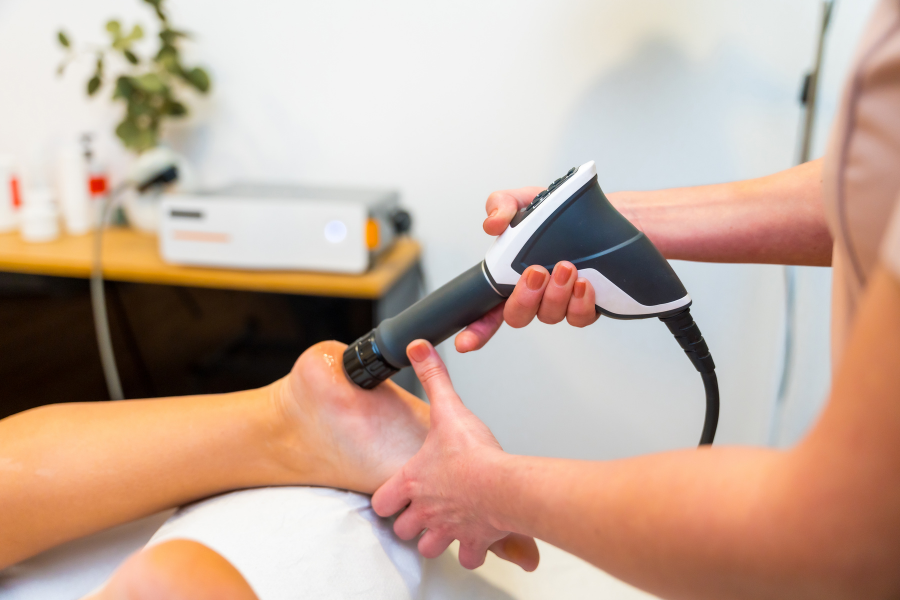
Rehabilitation has changed greatly in recent years. Clinics now use tools that target tissue biology. Acoustic wave treatment is one such tool. It began in hospitals for kidney stones. Today it supports many musculoskeletal recoveries. Its growing use reflects clear clinical needs.
A Gap in Traditional Care
Conventional rehabilitation helps most injuries. Exercise, manual therapy, and education work well. Many acute problems recover with these methods alone. Some chronic conditions stay stubborn. Tendinopathy is a good example. Patients try everything and still hurt.
The problem is often degenerated tissue. Collagen fibers are disorganized and weak. Blood supply is limited. Pain may continue despite rest. Exercise helps but may not be enough. A stronger biological trigger is sometimes needed.
Limits of Other Options
Medication reduces symptoms but does not repair tissue. Injections may give short relief. Repeated steroid injections can weaken tendons. Surgery carries risks and long recovery. Many patients want to avoid it. They look for effective noninvasive choices.
This demand shaped modern practice. Clinicians searched for safer ways to stimulate healing. Acoustic energy proved useful. It reaches deep tissue without incisions. Sessions are short and practical. These features suit modern patient expectations.
From Urology to Orthopedics
The technology first broke kidney stones. Doctors noticed effects on nearby tissue. Researchers explored new uses. Early studies focused on calcific shoulder problems. Results were promising. Attention spread to other tendon conditions.
Research has grown steadily since. Trials now cover plantar fasciitis, tennis elbow, and Achilles pain. Reviews pool results from many studies. Many show meaningful improvement over placebo. Guidelines increasingly mention the treatment. Evidence builds confidence among clinicians.
Quality of Evidence
Evidence varies by condition. Some uses have strong trial support. Others rely on smaller studies. Honest clinicians explain these differences. They choose treatment where evidence is solid. They also monitor your response closely.
Results also depend on technique. Device settings, targeting, and number of sessions matter. Poor technique can reduce benefit. Training and experience are important. Ask your provider about their background. Skilled delivery improves outcomes.
How It Fits Modern Goals
Modern rehabilitation values active recovery. Patients are encouraged to move early. Long immobilization is avoided. Treatments should support, not replace, exercise. Acoustic therapy fits this model well. It prepares tissue for loading.
Efficiency also matters. People want to return to work and sport quickly. Short appointments help. Minimal downtime is attractive. Treatment does not require anesthesia. Most patients walk out and continue their day.
Many clinics now include shockwave therapy in broader rehabilitation plans. It is rarely used alone. Therapists pair it with exercise and education. They also address contributing factors. This combined approach tackles both symptoms and causes. Patients gain more lasting results.
Reducing Surgical Need
Surgery was once common for stubborn tendon problems. Calcific shoulder deposits sometimes required removal. Chronic heel pain sometimes led to release procedures. These options still have a place. Many patients now try noninvasive steps first. Some avoid surgery altogether.
This shift reduces cost and risk. It also shortens recovery time. Patients keep more of their daily routine. When surgery is needed, rehabilitation still helps. Prior conditioning supports better surgical outcomes. A staged approach is often wise.
Biological Reasons for Its Use
The treatment stimulates collagen production. It increases blood vessel formation in poor tissue. It also reduces pain signaling. These effects address key barriers to healing. Few other tools do all three. This makes it attractive in difficult cases.
It may also break down calcium deposits. This is valuable in the shoulder. Pain and stiffness can fall as deposits clear. Patients regain motion. Scans can confirm changes. The mechanism is clear and measurable.
Treating Muscle and Fascia
Radial devices treat broader areas. They are used for tight muscle and fascia. Trigger points often respond. Athletes use them to support recovery. Reduced tension improves comfort and movement. This extends the technology beyond tendons.
Research here is more mixed. Some studies show benefits and others are limited. Therapists often combine it with manual therapy. They monitor results carefully. Treatment continues only if useful. Evidence-based practice guides these choices.
Who Uses It Most
Athletes were early adopters. Runners, jumpers, and throwers face repetitive load. Tendon injuries interrupt training. Quick, practical care appeals to them. Many return to sport with fewer symptoms. Their stories raised public awareness.
Everyday people also benefit. Office workers develop elbow and shoulder pain. Parents lift children all day. Older adults face hip and heel problems. Manual workers strain tendons repeatedly. Anyone with persistent tendon pain may be a candidate.
Patient Expectations Have Changed
People research treatments online before visiting. They ask about options and evidence. They want to avoid long recoveries. They also value active participation. Modern clinics welcome informed questions. Shared decisions are now standard.
This culture supports newer therapies. Clear information builds trust. Realistic expectations prevent disappointment. Providers explain benefits and limits. Patients feel respected. Satisfaction improves when everyone understands the plan.
Safety and Suitability
Safety is a major reason for its adoption. Side effects are usually mild. Temporary soreness or bruising may occur. Serious complications are uncommon with proper screening. Certain conditions require caution. Pregnancy, infection, and bleeding disorders are examples.
Therapists screen each patient carefully. They avoid sensitive structures. They adjust settings for comfort. They also monitor response after each visit. This approach keeps risk low. A careful clinician is your best safeguard.
Cost and Practicality
Costs vary between clinics. Many patients find a short course reasonable. Compared with surgery, expenses are often lower. Time away from work is minimal. Insurance coverage varies by plan. Check your benefits in advance.
Sessions are quick, so travel time may be the main burden. Choosing a nearby clinic helps. A clear plan prevents unnecessary visits. Ask about expected numbers of sessions. Transparent pricing builds trust. Value comes from effective, focused care.
Looking Ahead
Technology continues to improve. Devices become more precise and comfortable. Research explores new indications. Combination approaches are being studied. Imaging helps target treatment better. Clinicians refine protocols over time.
The fundamentals remain the same. Good assessment, targeted treatment, and exercise lead to results. Technology supports, rather than replaces, skilled care. Patients benefit from both. Modern rehabilitation will keep blending science and practical skill.
Conclusion
Acoustic wave treatment is used because it solves real clinical problems. It helps stubborn tendons and calcific deposits heal. It fits active recovery and short appointment times. Evidence supports many, though not all, uses. Safe screening and skilled delivery matter greatly. Talk with a qualified therapist to see if it suits your condition.

 English
 Arabic
 French
 Spanish
 Portuguese
 Deutsch
 Turkish
 Italiano
 Russian
 Romaian
 Portuguese (Brazil)
 Greek
