
How Can Massage Help You Unwind After a Busy Day?
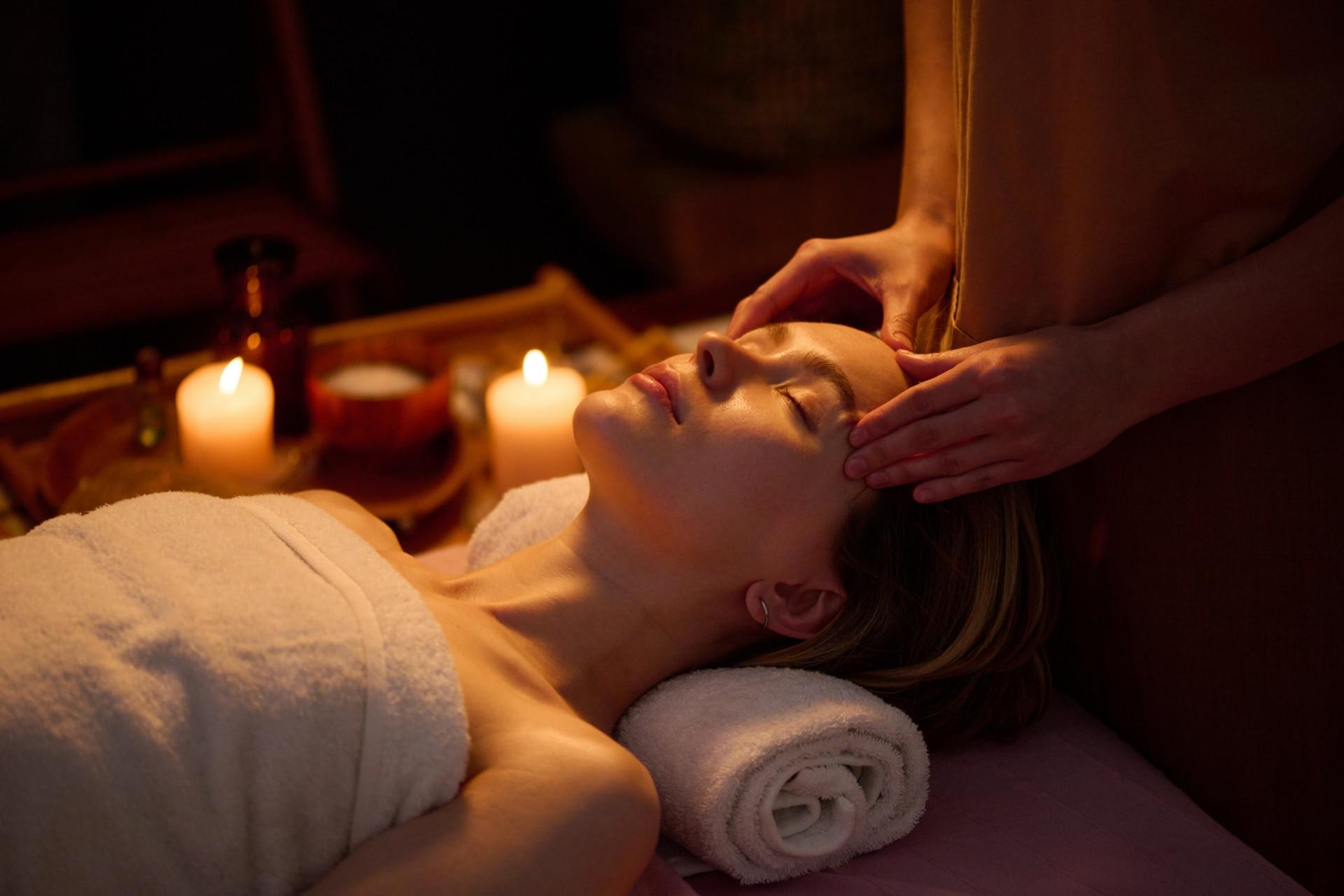
The workday ends, but your mind keeps racing. Emails replay in your head. Your shoulders feel tight. Your body is home, but your nerves are still on duty.
Many people struggle to switch off. Massage offers a simple, physical way to help. This article explains how touch can calm both body and mind. It also shares tips for making the most of an evening session.
Why It Is Hard to Unwind
The body responds to demands with a stress reaction. Heart rate rises and muscles tighten. Hormones prepare you to act. This system is useful in short bursts.
Modern days keep it switched on. Notifications, deadlines, and traffic all add pressure. By evening, the system may still hum. Relaxing then takes active help.
Physical habits add to the problem. Hours of sitting stiffen the body. Shallow breathing keeps the chest tight. These patterns reinforce the sense of being wound up.
Signs You Need to Decompress
You may feel irritable or restless. Your shoulders may sit near your ears. Sleep may come slowly. Your jaw may feel clenched. These signs suggest your nervous system needs a break.
How Touch Calms the Nervous System
Touch is a powerful signal. Slow, steady pressure tells the body it is safe. The nervous system shifts toward its rest mode. Heart rate often slows.
Breathing tends to deepen during massage. Deeper breaths relax the chest and belly. This feeds back to the brain with calming messages. The effect builds across the session.
Many people also feel emotionally lighter. Quiet surroundings and warmth add to the effect. The mind has permission to slow down. This is part of the value.
Releasing Muscle Tension
Stress lives in the muscles. Shoulders, neck, and jaw hold much of it. Massage works these areas gently. Tight fibres soften under steady pressure.
Releasing tension changes how you feel overall. Movement becomes easier. Posture relaxes. Aches fade into the background.
Therapists often adapt their style for relaxation. They use flowing strokes and moderate pressure. They keep a steady rhythm. The goal is comfort rather than correction.
Focus Areas for Unwinding
Common focus areas include the neck, shoulders, and upper back. Many people also enjoy scalp and foot work. These areas hold tension from screens and standing. Relief here often spreads through the whole body.
The Role of Environment
Setting matters. A quiet room with soft lighting invites calm. Gentle music masks outside noise. Warm blankets add comfort.
Aromas can also help. Mild scents like lavender are popular. Tell your therapist if you are sensitive. Unscented options are always fine.
Many clinics design their spaces for rest. Thoughtful details make the experience feel like a retreat. Even a short visit can feel like time away.
Choosing a Time and Length
Think about when you will benefit most. Many people book after work. Others choose weekends. Evening sessions pair well with an early night.
Session length depends on your needs. Thirty minutes can target the neck and shoulders. Sixty minutes allows more complete relaxation. Ninety minutes suits deep unwinding.
Plan some buffer time. Avoid rushing to meetings afterward. Give yourself space to enjoy the calm. A slow evening extends the benefits.
Finding a Suitable Clinic
Look for a provider who values comfort and communication. Check therapist qualifications and read about their approach. Ask whether they offer relaxation-focused sessions.
Many people search for Lakeshore massage therapy when they want a calm space and attentive care after a hectic schedule. Easy booking and convenient location make regular visits realistic. Consistency helps stress relief last.
Share your goal when booking. Say you want to unwind after work. The clinic can match you with a suitable therapist and session style.
Communicating During the Session
Tell your therapist if the room feels warm or cool. Say if pressure needs to change. Mention if you prefer quiet or light conversation. Small adjustments enhance comfort.
Pairing Massage With Evening Habits
Massage works well with other calming habits. A warm shower afterward extends relaxation. Herbal tea can soothe the evening. Light stretching keeps muscles supple.
Limit screens after your session. Bright displays can undo the calm. Try reading a book or listening to quiet music. Dim the lights at home.
Eat a light dinner. Heavy meals can disturb sleep. Drink water to support recovery. Go to bed at a regular hour.
Better Sleep After Massage
Many people sleep better after a session. Relaxed muscles reduce restlessness. A calm mind falls asleep faster. Deep sleep supports recovery.
Evening sessions can be ideal for this reason. You leave relaxed and head home to rest. Keep the bedroom cool and dark. Maintain a consistent routine.
If sleep problems persist, consult a doctor. Chronic insomnia can have many causes. Massage supports comfort but does not replace medical care. Seek advice when needed.
Building a Wind-Down Routine
One session is lovely. A routine is better. Choose regular times for self-care. Even short rituals add up.
Try a five-minute breathing exercise each evening. Stretch your neck and shoulders. Take a short walk after dinner. Combine these with occasional massage.
Track what helps. Notice your mood and sleep. Share findings with your therapist. They can adjust sessions to match your needs.
Setting Boundaries With Work
Mental recovery needs boundaries. Close your laptop at a set time. Silence work notifications. Create a clear end to the workday. Massage is more effective when your mind is allowed to rest.
When to Seek More Support
Everyday stress is normal. Persistent anxiety or low mood is different. If you feel overwhelmed for weeks, speak with a doctor or counsellor. Massage can complement care but should not replace it.
Sudden severe pain, numbness, or other unusual symptoms need medical review. Tell your therapist about any changes. They can adjust or advise referral.
Looking after your mind is as important as looking after your body. Combine sources of support. Friends, family, and professionals all help.
Final Thoughts
Massage can be a gentle bridge between a busy day and a restful night. It calms the nervous system, softens tight muscles, and creates quiet space. Many people leave feeling lighter and more balanced.
Plan your session thoughtfully and pair it with calming habits. Communicate your needs and choose a trusted clinic. With steady practice, unwinding becomes easier and more natural.

 Arabic
 French
 Spanish
 Portuguese
 Deutsch
 Turkish
 Dutch
 Italiano
 Russian
 Romaian
 Portuguese (Brazil)
 Greek
