
What Symptoms May Appear After a Head Injury?
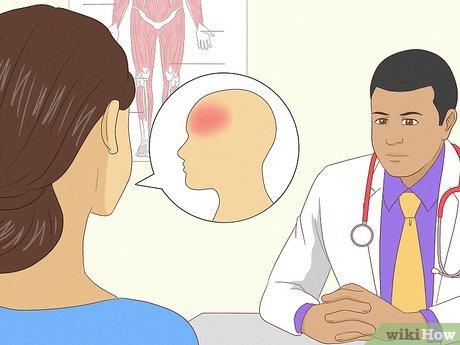
A head injury can happen to anyone. It may follow a fall, a car crash, or a sports collision. Many people do not realize how serious it might be. Symptoms can be mild or easy to dismiss. Some appear right away, while others show up hours later. Learning the common symptoms helps you act quickly. Early recognition protects the brain and speeds recovery. This article explains the main symptoms and what to do next.
What Happens in the Brain During a Head Injury
A concussion occurs when the brain moves rapidly inside the skull. A direct blow is not always required. A strong jolt to the body can be enough. This movement disrupts normal brain cell activity. Chemical balance shifts for a short time. Energy supply to the brain may fall behind demand. These changes cause the symptoms people notice. Most are temporary, but they need care. Healing takes time and careful management.
Physical Symptoms to Watch For
Physical symptoms are often the first to appear. Headache is the most common one. It may feel like pressure or throbbing. Nausea and vomiting can follow. Dizziness and loss of balance are also frequent. Some people feel unusually tired. Ringing in the ears may occur. Blurred vision is another warning sign. Any of these after a head impact deserve attention.
Changes in Thinking and Memory
A head injury often affects the mind. A person may feel foggy or slowed down. They may struggle to concentrate on simple tasks. Questions may need repeating. Memory of the injury itself may be missing. Short term memory can also be weak. Following a conversation may feel hard. Reading may seem tiring. These changes are real and not a sign of weakness.
Emotional and Behavioral Symptoms
Emotions can shift suddenly after a head injury. Irritability is very common. Some people feel sad or anxious without a clear reason. Others become more emotional than usual. Mood swings may surprise family members. Children may act out or cry more easily. Patience from loved ones helps a lot. These changes usually settle as the brain heals. Persistent mood problems should be discussed with a professional.
Sleep Related Changes
Sleep often changes after a head injury. Some people sleep far more than usual. Others lie awake for hours. Waking during the night can increase. Daytime sleepiness may interfere with activity. Poor sleep can make other symptoms worse. Keep regular sleep times when possible. Avoid caffeine late in the day. Let your provider know if sleep problems continue.
Sensitivity to Light and Sound
Bright lights may feel painful. Normal noise may seem too loud. Busy places can become overwhelming. People may prefer dark and quiet rooms. Sunglasses and ear protection can bring relief. Reduce screen brightness and volume. Short breaks from stimulation help the brain rest. Sensitivity often improves gradually. Keep track of triggers to share with your provider.
When Symptoms Do Not Appear Right Away
Delayed symptoms are common. A person may feel fine for several hours. Headache or fog may then develop later. Sometimes problems appear the next morning. This is why monitoring matters. Watch the injured person for at least a day or two. Do not leave a child or older adult alone early on. New or worsening symptoms need prompt evaluation. Do not assume the absence of symptoms means safety.
Symptoms in Young Children
Young children cannot always explain how they feel. Watch for changes in behavior instead. They may cry more or seem unusually fussy. Loss of interest in favorite toys can be a clue. Changes in eating or sleeping habits matter. Balance may seem off, and they may stumble. Vomiting after a fall is a concern. Seek medical advice for any suspected head injury in a child. Err on the side of caution.
Symptoms in Teens and Athletes
Teens and athletes often downplay symptoms. They fear losing playing time or letting down a team. Parents and coaches must look for hidden signs. Watch for a dazed look or slow reactions. Poor balance on the field is a clue. Players may forget the plays or the score. Complaints of headache should never be ignored. Remove the athlete from play right away. Proper evaluation must come before returning.
Where to Seek Help
Clear guidance matters when symptoms appear. For serious signs, go to emergency care. For milder cases, contact a doctor or specialized service. Many families look for a concussion clinic ottawa when symptoms linger or recovery seems slow. These clinics assess balance, vision, thinking, and exercise tolerance. They also plan safe return to school, work, and sport. Early visits can prevent confusion. Ask about referral requirements and wait times. Choose a team that explains each step clearly.
Red Flag Symptoms
Some signs mean the injury could be dangerous. Repeated vomiting is one of them. A severe or worsening headache is another. Seizures need emergency help right away. Slurred speech or confusion is concerning. Weakness or numbness in the arms or legs is serious. Unequal pupils require urgent care. A person who cannot be woken needs emergency services. Do not wait and watch in these cases. Call for help immediately.
What to Do in the First 24 Hours
Stop activity right away after a suspected concussion. Rest in a quiet space. Avoid sport, driving, and heavy exertion. Limit screens and bright light at first. Stay with the person and monitor them. Offer water and light meals. Avoid alcohol and unprescribed medication. Contact a healthcare provider for guidance. Follow instructions and do not rush back to normal life.
Why Rest Is Balanced With Gentle Activity
Older advice suggested complete rest for many days. Current research favors a more balanced approach. A short period of rest is helpful at first. After that, light activity is often encouraged. Short walks may support healing. Activity should stay below the symptom threshold. If symptoms flare, scale back and rest. A professional can give personalized limits. Gradual progress protects the brain.
Myths About Head Injuries
Many myths cause harm. One myth says you must lose consciousness. In truth, most concussions occur without blackout. Another myth says you cannot sleep afterward. Sleep is generally fine unless a doctor advises otherwise. Some believe helmets make concussions impossible. Helmets reduce risk but cannot eliminate it. Others think you must be hit in the head. A hit to the body can also cause one. Accurate knowledge saves lives.
Preventing Future Head Injuries
Prevention reduces risk. Wear helmets that fit well in sports and cycling. Follow rules and play safely. Use seat belts and child seats in cars. Remove trip hazards at home. Install handrails on stairs. Strengthen balance and leg muscles to prevent falls. Teach children safe play habits. Respect recovery time after any injury. Prevention is easier than recovery.
Final Thoughts
Head injury symptoms can be physical, mental, emotional, or related to sleep. Some appear instantly, while others develop later. Knowing them helps you act with confidence. Rest, monitor, and seek professional help when needed. Watch closely for red flags that need emergency care. Ottawa area residents have access to skilled assessment and support. Take every head injury seriously. Early attention gives the brain its best chance to heal.

 English
 Arabic
 French
 Spanish
 Portuguese
 Deutsch
 Turkish
 Dutch
 Russian
 Romaian
 Portuguese (Brazil)
 Greek
