
Why Early Assessment Matters for Persistent Joint Pain
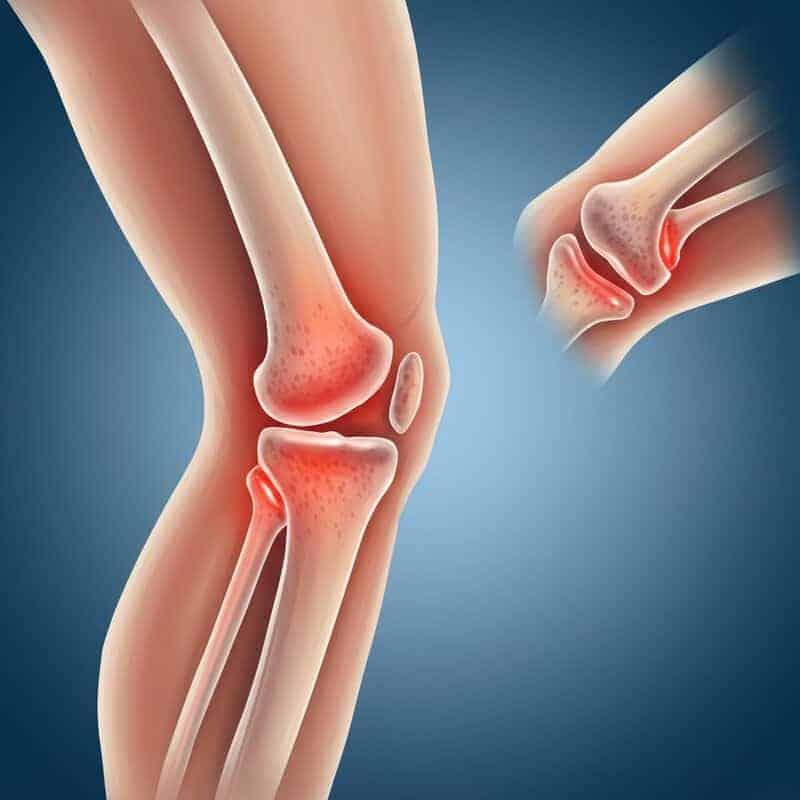
Joint pain is common, and many people live with it quietly. They assume it is part of getting older. They hope it will fade by itself. Sometimes it does. When it lingers, early assessment can change the outcome. This article explains why timing matters.
What Persistent Joint Pain Means
Short-term soreness is normal after exertion. It usually fades within days. Persistent pain lasts for weeks or longer. It may come and go but keeps returning. It may also grow steadily worse.
Joint pain can arise from many sources. Injury, overuse, and arthritis are common causes. Inflammation, infection, and nerve problems are less common. Sometimes the pain starts in nearby structures. A careful exam is needed to tell them apart.
Persistent pain also affects the whole person. Sleep may suffer. Mood may sink. Activity may drop. These effects create a cycle that makes recovery harder. Early action helps break it.
Problems Do Not Always Fade on Their Own
Many people wait because they hope pain will resolve. For minor strains, this is reasonable. For deeper issues, waiting can allow damage to progress. Cartilage does not regenerate well. Once worn, it cannot be easily restored.
Some conditions worsen quietly. Early arthritis may cause only mild aches. Over time, joint spaces narrow and bone changes appear. Early treatment can slow this process. Late treatment has fewer options.
Instability is another example. A loose joint may seem manageable at first. Repeated giving way can harm cartilage and ligaments. It can also lead to new injuries. Early assessment protects the joint.
Early Diagnosis Opens More Options
When problems are caught early, more treatments are available. Conservative care works best before major damage occurs. Exercise, activity changes, and bracing may be enough. Injections can sometimes calm inflammation effectively. Many patients avoid surgery altogether.
Late diagnosis narrows choices. Advanced joint damage may require surgery. Recovery may be longer and more demanding. Results may be less predictable. Timing has a real influence.
Early assessment also allows careful monitoring. If the problem is mild, your doctor may suggest watchful waiting. They can track changes over time. This approach is safer than guessing. You gain peace of mind.
Identifying Serious Conditions Quickly
Some causes of joint pain need urgent care. A hot, red, swollen joint with fever may suggest infection. This is an emergency. Delay can damage the joint quickly. Seek immediate medical help for these signs.
Inflammatory arthritis is another example. Conditions such as rheumatoid arthritis need early treatment. Medications can prevent lasting joint damage. Morning stiffness lasting over an hour is a common clue. Multiple swollen joints also raise suspicion.
Fractures can hide behind persistent pain too. Stress fractures cause gradual aching. They are common in runners and dancers. Imaging may be needed to detect them. Early recognition prevents full breaks.
Seeing Orthopaedic Doctors Calgary Residents Can Trust
When pain persists, expert evaluation is wise. Many people turn to orthopaedic doctors Calgary clinics provide for joint conditions that need closer study. Specialists have training in the structure and mechanics of joints. They use targeted tests and imaging. This helps them find the true source of pain.
They can also explain what the findings mean. Not every scan abnormality causes symptoms. Experts help separate important findings from background changes. This avoids unnecessary worry or treatment. You receive guidance that is clear and practical.
Specialists also coordinate care. They may involve therapists, family doctors, or other experts. A unified plan supports faster progress. You avoid conflicting messages. Teamwork benefits the patient.
Protecting Function and Independence
Joints make independence possible. Walking, dressing, cooking, and driving all depend on them. Pain that limits these tasks reduces quality of life. Early care aims to preserve function. It helps you stay active and self-reliant.
Keeping muscles strong around a painful joint is vital. Pain often leads to avoidance. Avoidance leads to weakness. Weakness then adds to joint stress. Guided exercise breaks this pattern.
Early assessment can also prevent compensation problems. A sore knee may change how you walk. That change can strain the hip and back. One joint problem becomes several. Prompt care limits this spread.
The Role of Imaging and Testing
Imaging provides valuable detail. X-rays show bone alignment and joint spacing. MRI shows cartilage, ligaments, and tendons. Ultrasound can show soft tissue in motion. Blood tests help detect inflammatory or infectious causes.
Tests are chosen based on your history and exam. Not everyone needs them. Unnecessary imaging can add cost and confusion. A thoughtful specialist orders only what is helpful. They interpret results in context.
Early imaging can also set a baseline. If symptoms change, new images can be compared. This helps track progression. It also guides treatment decisions. Good records are useful over time.
Lifestyle Steps While You Wait
Some measures can help before your appointment. Avoid activities that clearly worsen pain. Keep moving within comfortable limits. Gentle range-of-motion exercises can prevent stiffness. Heat or ice may soothe symptoms.
Maintain a healthy weight if possible. Extra weight loads the knees and hips. Even modest loss can reduce pain. Choose supportive footwear. Use a cane or handrails if balance is a concern.
Track your symptoms in a simple diary. Note what triggers pain and what helps. Record sleep quality and activity levels. This information assists your doctor. It also helps you notice progress.
Overcoming Common Reasons for Delay
Many people delay because they fear surgery. Remember that most care is non-surgical. An assessment does not commit you to an operation. It gives you information and choices. Knowledge reduces fear.
Others delay because they feel their pain is not serious enough. Persistent pain deserves attention at any level. You do not need to wait for severe symptoms. Early visits are often simple and reassuring. They may also be quick.
Busy schedules also cause delay. Yet a single appointment can save months of struggle. Plan the visit as you would any important task. Prioritizing your health pays off. Your future self will benefit.
Final Thoughts
Early assessment matters for persistent joint pain because it protects options and function. It helps find serious conditions quickly. It also prevents small problems from growing. Many patients recover well with simple, early measures.
Do not accept ongoing pain as normal. Seek advice when discomfort lasts for weeks or limits your life. Trust your instincts and ask questions. Expert care can bring clarity and relief. Healthy joints support the life you want to live.

 English
 French
 Spanish
 Portuguese
 Deutsch
 Turkish
 Dutch
 Italiano
 Russian
 Romaian
 Portuguese (Brazil)
 Greek
