
Tug Building Company: Sustainable Engineering for Modern Marine Operations
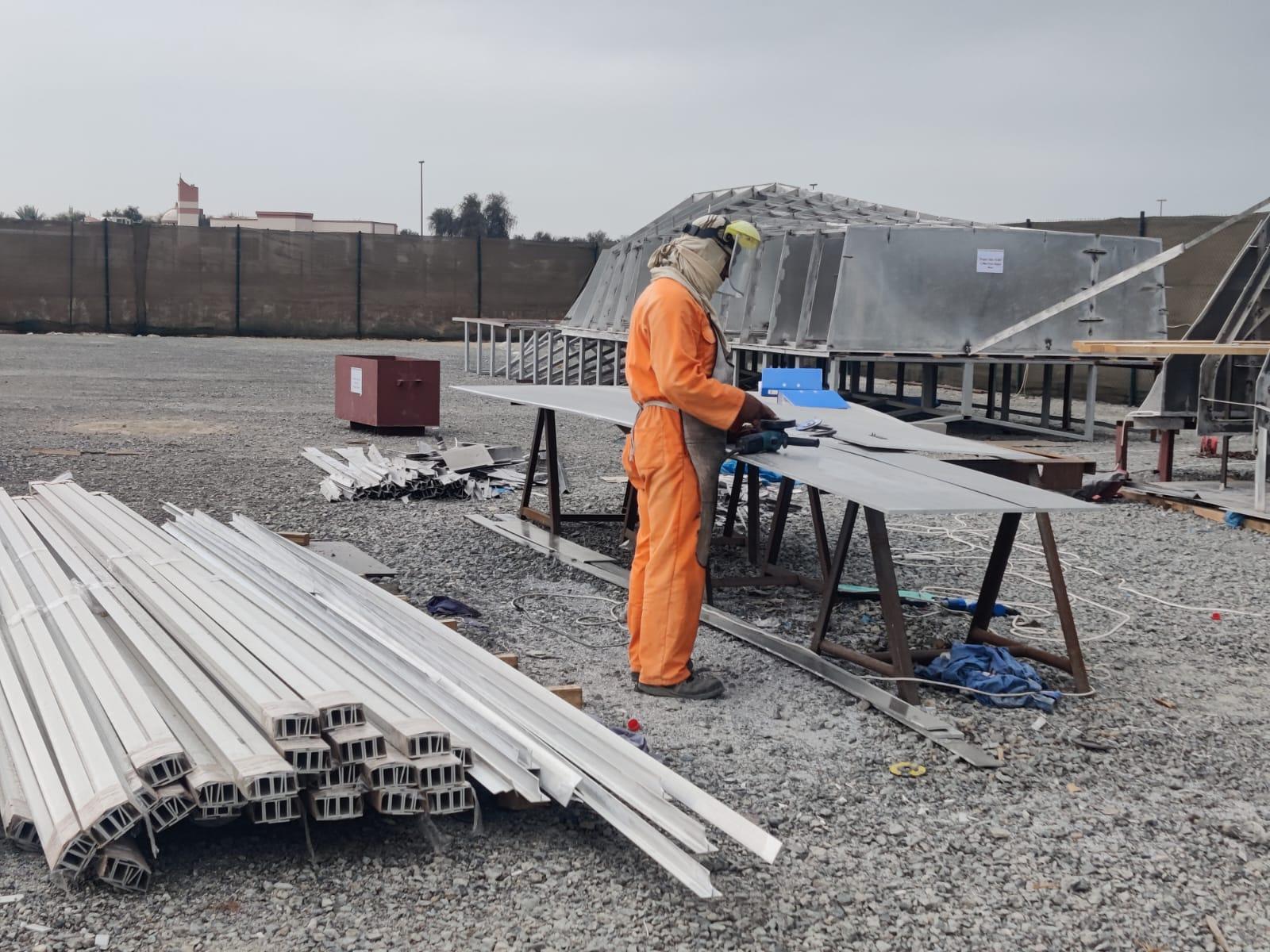
The maritime industry is continuously changing as vessel owners look for safer, stronger, and more environmentally friendly marine solutions. Tugboats are essential for supporting large ships, assisting port activities, towing floating structures, and handling offshore operations. Their construction requires careful engineering to ensure reliable performance under challenging working conditions. A tugs building company must focus on modern construction methods that improve vessel strength, reduce fuel consumption, and support long-term operational efficiency.
Sustainable engineering has become an important part of modern tugboat development. From selecting suitable construction materials to installing advanced propulsion systems, every design decision can influence a vessel's performance and environmental impact. VU Marine recognises the importance of developing dependable marine solutions that meet the requirements of modern commercial and industrial operations.
Why Sustainable Engineering Matters in Tugboat Construction
Tugboats operate in different marine environments, including busy harbours, industrial ports, offshore facilities, and shipyards. They regularly perform demanding activities that require powerful engines, excellent manoeuvrability, and strong structural arrangements. These vessels must also remain dependable during long working hours and changing weather conditions.
Environmental performance is another important consideration. According to the International Maritime Organization's Fourth Greenhouse Gas Study, global shipping produced approximately 1,056 million tonnes of CO₂ in 2018. This represented around 2.89% of total global human-caused carbon dioxide emissions.
Although these figures represent the wider shipping industry, they highlight the need for better energy management and cleaner marine technologies. Improving propulsion efficiency, selecting suitable materials, and reducing unnecessary fuel consumption can help make marine operations more sustainable.
Lightweight Materials and Improved Vessel Structures
Material selection has a direct impact on vessel weight, strength, durability, and maintenance requirements. Modern engineering allows designers to evaluate different materials according to the operating conditions and technical requirements of each tugboat.
Aluminum tug builders consider marine-grade aluminium for applications where reducing vessel weight can provide practical benefits. Aluminium offers a favourable strength-to-weight ratio and good corrosion resistance when the correct alloy, fabrication process, and protective measures are selected.
A lighter structure can potentially improve fuel efficiency and increase the vessel's useful carrying capacity. However, engineers must also consider structural fatigue, welding quality, fire protection, and the forces experienced during towing operations.
Steel is another widely used material for heavy-duty tugboat construction because of its strength and established fabrication techniques. The choice between aluminium and steel depends on vessel size, operational requirements, construction costs, and expected service life.
Modern design software helps engineers examine structural arrangements before fabrication begins. It also supports accurate measurements, better material utilisation, and fewer construction errors.
Developing More Efficient Propulsion Systems
The propulsion system is one of the most important elements of tugboat performance. Tugboats require sufficient power to move heavy vessels, assist ships during docking, and perform towing activities. At the same time, unnecessary fuel consumption can increase operating expenses and environmental emissions.
Modern propulsion engineering focuses on selecting engines and propellers that match the vessel's actual working requirements. Correctly designed propulsion arrangements help deliver the necessary thrust while maintaining efficient fuel use.
Hybrid propulsion is another developing option in the maritime sector. It combines conventional engines with electric power and battery storage. Depending on operating conditions, this arrangement may reduce fuel consumption and emissions during suitable operating periods.
Battery-assisted systems can also support certain low-speed activities, provided the vessel has appropriate charging facilities and energy capacity. Before adopting these technologies, owners should consider installation costs, maintenance, infrastructure, and expected operational savings.
Regular servicing is equally necessary. Maintaining fuel systems, lubricating machinery, checking filters, and monitoring engine performance can help prevent unnecessary energy losses.
Digital Innovation in Tugboat Engineering
Technology is changing how modern marine vessels are designed, manufactured, and maintained. Digital engineering tools allow construction teams to examine vessel structures, machinery layouts, and technical arrangements before actual fabrication starts.
Three-dimensional modelling can improve design accuracy and help identify possible construction problems at an early stage. Digital inspection methods also make it easier to maintain records and monitor quality throughout the manufacturing process.
During vessel operations, monitoring equipment can collect information about engine temperature, vibration, fuel consumption, oil pressure, and machinery performance. Engineers can use this information to identify unusual operating conditions and arrange maintenance before serious problems develop.
Predictive maintenance is particularly useful because it can reduce unexpected equipment failures and unnecessary replacement of machinery. It also helps improve vessel availability and control maintenance expenses.
Environmentally Responsible Marine Construction
Sustainable tugboat development involves protecting the marine environment during both construction and operation. Oil leakage, fuel spills, chemical waste, and improper disposal of maintenance materials can create serious environmental problems.
Modern vessels should have suitable arrangements for handling bilge water, collecting waste, and preventing accidental leakage of fuel and lubricants. Proper storage and disposal procedures are equally important for protecting surrounding waterways.
Protective coatings can also contribute to vessel durability. Suitable underwater coatings help control corrosion and marine growth, supporting better hull condition throughout the vessel's service life.
Construction facilities can improve their environmental performance by recycling suitable metal scraps, managing used materials responsibly, reducing unnecessary water consumption, and controlling paint and welding waste.
These practices make the manufacturing process more resource-efficient while supporting responsible marine operations.
Strength, Safety, and Long-Term Vessel Reliability
A tugboat must be capable of handling repeated mechanical stress, heavy towing forces, vibration, and exposure to seawater. Its structural design must provide sufficient strength without adding unnecessary weight.
Quality welding, correct material thickness, effective corrosion protection, and regular structural inspections are important for maintaining vessel reliability. Machinery foundations and towing arrangements must also be designed to handle the loads expected during normal operations.
Safety equipment plays an equally important role. Navigation instruments, communication systems, emergency controls, firefighting equipment, and reliable steering arrangements help protect crew members and support safe vessel movement.
Before delivery, construction teams should conduct appropriate equipment inspections and performance tests. Sea trials and bollard-pull testing can help confirm whether the tugboat meets its specified operational requirements.
Modern Aluminium Manufacturing Techniques
Aluminium tug manufacturers must follow precise fabrication procedures to achieve strong and dependable vessel structures. Aluminium welding requires suitable equipment, skilled workers, correct joint preparation, and careful control of the fabrication environment.
Proper welding techniques help maintain structural integrity and reduce the possibility of defects. Material handling and storage are also important because contamination can affect welding quality and the finished structure.
Modern cutting equipment and computer-controlled fabrication systems can improve accuracy while reducing material wastage. Better production planning also helps construction teams complete different stages of the project more efficiently.
VU Marine understands the importance of engineering accuracy, material quality, and reliable construction practices when developing marine solutions for demanding working environments.
Controlling Maintenance and Operating Expenses
A tugboat's overall cost extends beyond its initial construction price. Fuel expenses, machinery servicing, spare parts, inspections, crew requirements, and unexpected repairs all influence the total ownership cost.
A well-designed vessel can help reduce these expenses through efficient machinery arrangements and easier maintenance access. Selecting durable components and suitable protective coatings can also reduce the frequency of repairs.
Owners should follow a planned maintenance schedule that includes regular engine inspections, hull examinations, electrical testing, and checks of propulsion equipment. Monitoring operating expenses can help identify areas where improvements are possible.
A lifecycle-based approach allows vessel owners to compare construction options by considering long-term performance instead of focusing only on the initial investment.
Future Developments in Sustainable Tugboat Design
Future tugboat engineering is expected to benefit from improvements in electric propulsion, hybrid technology, alternative fuels, digital monitoring, and advanced construction materials.
These developments may help reduce emissions and improve operational efficiency, although their practical application depends on vessel requirements, available infrastructure, and applicable maritime regulations.
Automation and intelligent monitoring systems may also support better equipment management and improve the accuracy of maintenance planning. However, trained personnel and proper safety procedures will remain essential.
A tug builder in UAE must consider these technological developments while understanding the specific requirements of regional marine operations. High temperatures, humidity, saltwater exposure, and demanding port activities all influence vessel design and equipment selection.
Conclusion
Sustainable tugboat construction requires a combination of efficient engineering, suitable materials, modern propulsion technology, and dependable safety systems. Each of these elements contributes to improved vessel performance and reduced environmental impact.
The maritime industry's growing focus on emissions reduction makes energy-efficient construction and responsible maintenance increasingly important. By adopting better design methods, improving machinery performance, and reducing material waste, modern tugboats can deliver reliable service over longer operating periods.
VU Marine supports the importance of quality-focused marine engineering and practical construction solutions. Combining technical knowledge with modern manufacturing methods can help develop durable, efficient, and dependable vessels for the changing needs of the maritime industry.

 English
 Arabic
 French
 Spanish
 Portuguese
 Deutsch
 Turkish
 Dutch
 Italiano
 Russian
 Romaian
 Portuguese (Brazil)
