
Best Online Certification Programs for Lab Technician Certification
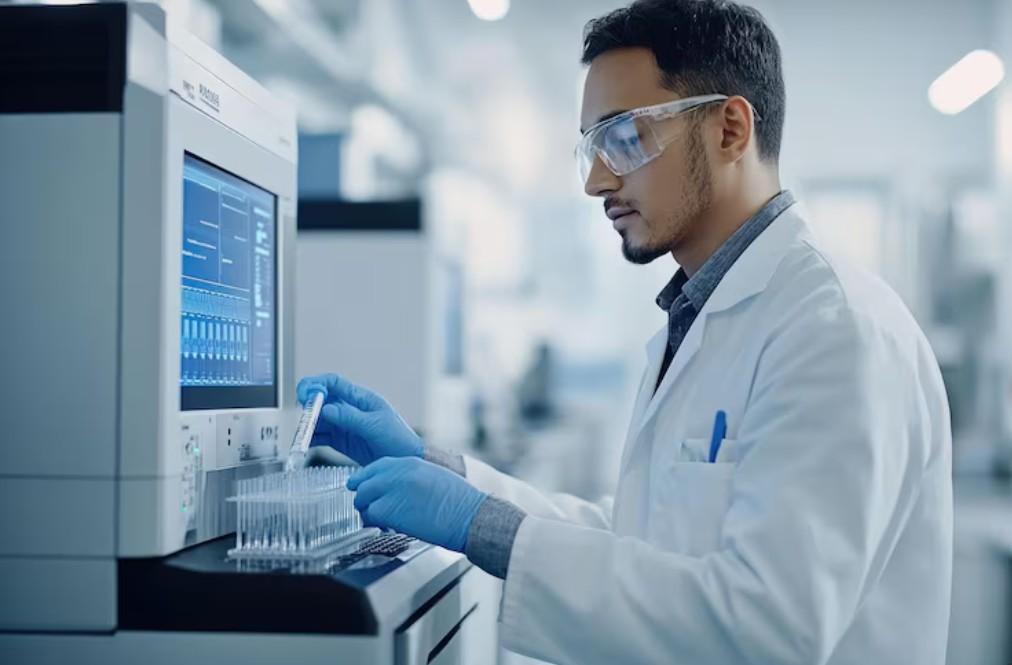
Breaking into the diagnostic healthcare and scientific research sector no longer requires putting your entire life on hold for a four-year campus degree. Today, hospitals, pathology clinics, environmental testing facilities, and pharmaceutical laboratories face a persistent shortage of skilled technical staff. Because modern diagnostic instrumentation relies heavily on digital interfaces and standardized protocols, much of the foundational theoretical knowledge can now be mastered remotely. Choosing an online certification pathway allows aspiring professionals and career changers to gain job-ready credentials while balancing existing work or family commitments. However, because healthcare employers scrutinize training quality rigorously, selecting a reputable, well-structured program is the single most important step toward launching a stable laboratory career.
Understanding the Role and Industry Demand
Before enrolling in any digital coursework, it is helpful to understand what modern laboratory environments actually expect from entry-level personnel. A certified lab technician serves as the operational backbone of clinical diagnostics and scientific testing. Rather than merely running repetitive automated machines, today's technicians manage specimen integrity, calibrate sensitive analytical instruments, execute quality control assays, and flag abnormal results for senior pathologists or research scientists.
Demand across this sector continues to climb steadily due to aging populations, increased preventative health screening, and rapid advancements in molecular diagnostics. Employers look for candidates who demonstrate not just theoretical comprehension of biology and chemistry, but also an uncompromising commitment to biosafety, sterile technique, and data accuracy. Online programs that emphasize standard operating procedures (SOPs), regulatory compliance, and real-world case scenarios prepare graduates to transition smoothly from digital modules into busy clinical benches.
Top Pathways for Online Lab Technician Certification
Not all online laboratory programs serve the exact same career goal. Depending on your educational background and target industry, you will encounter several distinct certification pathways designed to validate different tiers of technical competency.
When comparing accredited and industry-recognized online options, consider these primary categories:
-
General Clinical Laboratory Assistant and Technician Certificates: Ideal for newcomers without prior medical experience, these comprehensive programs cover phlebotomy basics, urinalysis, hematology, clinical chemistry, and microbiology fundamentals through interactive virtual labs and guided coursework.
-
Specialized Diagnostic and Molecular Certificates: Tailored for individuals who already hold an associate degree in a life science, these focused online tracks dive deep into polymerase chain reaction (PCR) techniques, histotechnology, or toxicology screening.
-
Continuing Professional Development (CPD) and Diploma Courses: Flexible, self-paced online diplomas designed to equip learners with foundational laboratory safety, specimen handling, and analytical techniques, serving as an accessible stepping stone into entry-level support roles or further clinical apprenticeships.
-
University-Affiliated Bridge Programs: Structured hybrid pathways offered by accredited colleges that deliver all didactic lectures online while partnering with local diagnostic clinics to fulfill mandatory hands-on clinical practicum hours.
Essential Criteria for Evaluating Online Programs
With dozens of distance-learning platforms advertising healthcare credentials, separating high-value training from superficial courses requires careful due diligence. An effective online program must bridge the gap between screen-based theory and physical laboratory reality.
Before paying tuition, evaluate prospective programs against these non-negotiable benchmarks:
-
Curriculum Depth and Virtual Simulations: Look for platforms that incorporate interactive lab simulations, allowing you to practice virtual pipetting, microscope focusing, and reagent preparation before touching physical glassware.
-
Biosafety and Quality Assurance Focus: Ensure the syllabus dedicates substantial modules to infection control, hazardous waste disposal, OSHA/HSE standards, and internal quality control calibration.
-
Flexible Pacing with Instructor Support: Self-paced modules are great for busy schedules, provided you still have access to qualified science educators or mentors who can clarify complex biochemical concepts.
-
Transparent Credential Recognition: Verify whether the program prepares you to sit for recognized national or international competency exams, or clearly states its standing as a foundational vocational diploma.
Bridging the Gap Between Online Study and Clinical Practice
One of the most common questions prospective students ask is how employers view online training for a hands-on profession. The truth is that employers welcome online graduates—provided those candidates proactively demonstrate practical readiness. Even if your chosen online certification does not include a formal clinical placement, you can take strategic steps to strengthen your resume while studying.
Start by maintaining a detailed laboratory skills portfolio documenting every virtual simulation, data analysis exercise, and safety protocol you master during your coursework. Additionally, reach out to local hospital labs, veterinary clinics, or water-testing facilities to inquire about part-time specimen accessioning or lab aide positions. Working in a support role while completing your online certification allows you to observe professional workflows firsthand, network with lab managers, and gain the physical familiarity with centrifuges and analyzers that turns an online certificate into a full-time career offer.
Turning Your Certification into a Long-Term Career
Earning your initial online certification is only the beginning of a remarkably versatile career trajectory. Once you secure an entry-level bench position and gain six to twelve months of practical laboratory experience, new avenues for specialization and advancement open up rapidly. Many technicians leverage employer tuition reimbursement to pursue higher-level Medical Laboratory Scientist (MLS) credentials, specialize in high-demand areas like cytogenetics or blood banking, or transition into laboratory information systems (LIS) management and quality assurance auditing. By selecting a rigorous online program today, you build a portable, recession-resistant skill set capable of supporting a rewarding scientific career for decades to come.

 English
 Arabic
 French
 Spanish
 Deutsch
 Turkish
 Dutch
 Italiano
 Russian
 Romaian
 Portuguese (Brazil)
 Greek
