
Achieving Glass Skin Texture Through Large Pores Treatment in Dubai
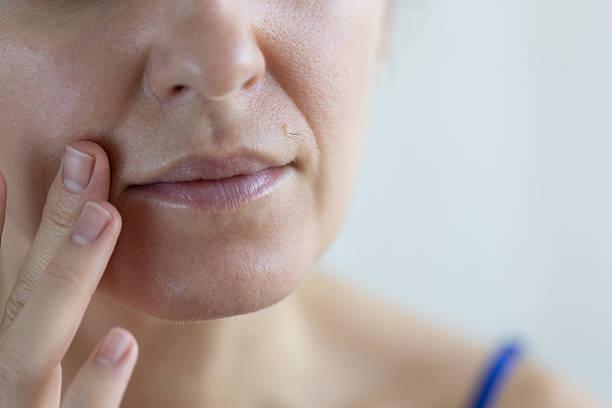
Glass skin is commonly used to describe a complexion that looks smooth, hydrated and luminous. Large Pores Treatment in Dubai may help support this appearance by addressing visible pores, uneven texture and congestion through suitable clinical procedures and consistent skincare.
The goal is not to create artificially perfect skin. Natural pores, fine lines and variations in texture are normal. A more realistic approach focuses on improving skin condition, maintaining hydration and choosing treatments that suit individual needs.
What Does Glass Skin Texture Actually Mean?
Glass skin is an aesthetic description rather than a medical skin condition. It generally refers to a complexion with an even-looking surface, good hydration and a healthy-looking glow.
Several factors influence this appearance, including skin barrier health, surface texture, oil balance and pigmentation. Enlarged-looking pores may make the surface appear less even, particularly around the nose and cheeks.
The Role of Pore Visibility
Pores are normal openings that allow sebum to reach the skin's surface. Their size and visibility are influenced by genetics, oil production, age and other factors.
Clinical treatments may make pores look less prominent, but they cannot remove them. The aim is to improve the surrounding skin and overall texture.
Why Hydration Matters
Well-hydrated skin often appears smoother and more supple. Dehydration can make fine lines and rough texture more noticeable, although hydration alone does not permanently change pore structure.
A suitable moisturizer can support the skin barrier and help maintain comfort. Lightweight formulations may be preferred by people with oily or combination skin.
How Large Pores Treatment in Dubai Can Support a Smoother Appearance
Treatment selection depends on the concerns identified during consultation. A plan may focus on congestion, surface irregularities, collagen support or a combination of these factors.
Professional Cleansing for a Clearer Surface
Professional cleansing may help remove surface buildup and improve the appearance of congested skin. It can be useful when excess oil and dead skin cells contribute to visible pores.
Gentle treatment is important. Aggressive extraction or repeated scrubbing can irritate the skin and may worsen post-inflammatory marks.
HydraFacial for Cleansing and Hydration
HydraFacial combines cleansing and exfoliation with hydration-focused steps. It may be considered for people who want to address dullness and surface congestion.
The procedure can support a refreshed appearance, but it does not permanently shrink pores or replace treatment for persistent acne and other skin conditions.
Chemical Peels for Uneven Texture
Selected chemical peels help exfoliate the skin and may improve the appearance of surface irregularities. The formulation and strength should be chosen according to skin type, sensitivity and pigmentation risk.
A peel may be part of a broader skin-refinement plan, but excessive exfoliation can weaken the skin barrier and cause irritation.
Microneedling for Skin Texture
Microneedling activates the skin's natural repair response through controlled micro-injuries. It may support collagen remodeling and improve the appearance of selected texture concerns.
It is not suitable for every skin condition, and active acne or infection may require attention before treatment.
Selected Laser Procedures for Skin Refinement
Some laser procedures can target uneven texture or support collagen-related changes. The best option depends on the device, treatment intensity and individual skin characteristics.
Laser treatment requires careful assessment, particularly for patients with a history of pigmentation changes or sensitivity.
Building a Skincare Routine for Glass-Like Radiance
Clinical treatments are only one part of achieving and maintaining a healthy-looking complexion. Daily skincare supports the skin between appointments.
Morning Routine
A simple morning routine may include:
-
Gentle cleansing: Remove overnight oil and residue without stripping the skin.
-
Hydration: Apply a suitable moisturizer to support the skin barrier.
-
Sun protection: Use broad-spectrum sunscreen to help protect against UV damage.
People with oily skin can look for lightweight, non-comedogenic products that suit their skin.
Evening Routine
An evening routine may include gentle cleansing to remove sunscreen, makeup and daily buildup, followed by moisturizer.
A practitioner may recommend an active ingredient such as a retinoid or exfoliating acid when appropriate. These ingredients should be introduced gradually and should not be used in a way that conflicts with treatment aftercare.
Why Consistency Is More Important Than Excessive Treatment
Trying to achieve a glass-like appearance through frequent peels, scrubs or procedures can irritate the skin. A damaged or inflamed skin barrier may look red, dry and uneven rather than smooth.
A balanced plan should combine suitable treatment, recovery time and daily care. Progress should be reviewed before adding more procedures or stronger products.
Realistic Expectations for Glass Skin Results
Skin naturally has pores, fine lines and texture. Lighting, makeup, camera filters and digital editing can also influence how glass skin appears in photographs.
Clinical treatments may improve selected concerns, but they cannot guarantee a poreless complexion. Results depend on the starting condition of the skin, the procedure selected and individual response.
Patients should focus on healthy, comfortable skin rather than comparing their natural complexion with edited images.
Clinic Note
Glass skin is best understood as a healthy-looking, hydrated and refined complexion, not completely poreless skin. A gradual approach that protects the skin barrier is more sustainable than repeated aggressive treatments.
Frequently Asked Questions
Can large pores treatment create glass skin?
Treatment may improve visible pores and uneven texture, which can contribute to a smoother-looking complexion. Results vary, and natural pores remain part of healthy skin.
Is HydraFacial enough to achieve glass skin?
HydraFacial may support cleansing, exfoliation and hydration, but it may not address every concern. The right plan depends on whether the main issue is congestion, pigmentation, texture or reduced firmness.
Does oily skin prevent a glass skin appearance?
No. Oily skin can still look healthy and hydrated. The focus should be on balancing oil, maintaining the skin barrier and choosing suitable products.
Can I combine laser treatment with HydraFacial?
Some treatment plans may include both, but timing and suitability should be assessed by a professional. Combining procedures without appropriate spacing can increase irritation.
How can I maintain smoother-looking skin?
Use gentle skincare, moisturize appropriately, apply sun protection and avoid excessive exfoliation. Follow any procedure-specific maintenance advice from your practitioner.
Discuss Your Skin Goals at Tajmeels Clinic
A smoother, more hydrated complexion starts with understanding your skin's individual needs. Tajmeels Clinic can assess visible pores, texture and hydration concerns before discussing suitable clinical treatments and a practical skincare approach.

 English
 Arabic
 French
 Spanish
 Portuguese
 Deutsch
 Dutch
 Italiano
 Russian
 Romaian
 Portuguese (Brazil)
 Greek
