
How Do Doctors Choose the Best Hyperhidrosis Treatment for You?
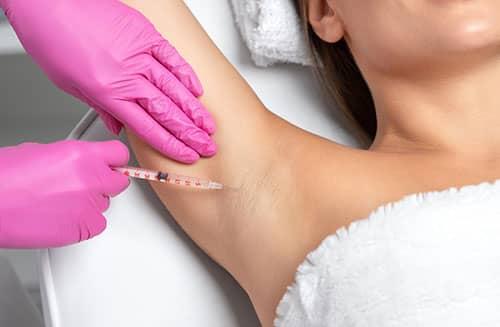
Excessive sweating can affect everyday comfort, personal confidence, and social interactions. While sweating is a natural process that helps regulate body temperature, some individuals experience sweating beyond what their bodies need. This condition is known as hyperhidrosis and can affect different areas, including the underarms, palms, feet, face, and scalp. Choosing an appropriate Hyperhidrosis Treatment in Dubai requires more than simply identifying where sweating occurs. Doctors must understand its underlying causes, severity, frequency, and impact on daily activities before recommending a suitable approach.
Every patient has different concerns. Some experience persistent underarm sweating even in cool environments, while others struggle with sweaty palms that interfere with writing, working, or handling everyday objects. These differences influence how specialists assess the condition and select an appropriate treatment plan.
In Dubai, patients can explore different medical approaches through professional consultations at established aesthetic and healthcare facilities. Clinics such as Dynamic Life Clinic, Tajmeels Clinic, and Enfield Royal Clinic offer settings where individuals can discuss their sweating concerns and understand available options.
Doctors generally consider medical history, previous treatments, affected body areas, and individual expectations before making recommendations. Their objective is to identify an approach that manages excessive sweating while considering patient comfort, safety, and long-term suitability.
Understanding How Doctors Assess Excessive Sweating
Before recommending a treatment, doctors evaluate the nature of the sweating problem. This assessment helps distinguish primary hyperhidrosis, which usually occurs without an underlying medical condition, from secondary hyperhidrosis, which may be associated with medications or other health concerns.
The evaluation may include:
-
Sweating patterns: Identifying when excessive sweating occurs and whether it affects one or several body areas.
-
Medical history: Reviewing existing health conditions, medications, and family history.
-
Severity: Understanding how frequently sweating occurs and how much it interferes with everyday activities.
-
Previous approaches: Discussing whether antiperspirants, prescription products, or other treatments have provided relief.
-
Lifestyle factors: Considering environmental conditions, physical activity, and personal triggers.
Doctors may also perform additional investigations when symptoms suggest an underlying medical issue. This ensures that treatment recommendations address the patient's actual needs rather than focusing exclusively on visible symptoms.
What Influences the Choice of Treatment?
The most suitable approach depends on several clinical and personal considerations.
Affected Body Area
The location of excessive sweating plays an important role. Underarm sweating may respond to prescription-strength antiperspirants, botulinum toxin injections, or certain device-based procedures.
Sweating on the palms and soles requires different considerations because these areas have different skin characteristics and treatment sensitivities.
Severity and Frequency
Occasional sweating may require a different approach from persistent symptoms that interfere with professional or personal activities. Doctors assess the frequency and intensity of sweating before determining whether conservative or more advanced options are appropriate.
Underlying Medical Conditions
Certain medications, hormonal changes, thyroid disorders, and other medical conditions can contribute to excessive sweating. When secondary hyperhidrosis is suspected, identifying and addressing the underlying cause becomes an important part of the treatment process.
Previous Treatment Experience
Patients who have already tried antiperspirants or prescription medications may need an alternative approach. Doctors review previous responses and any unwanted reactions before suggesting another option.
Clinics Where Patients Can Explore Hyperhidrosis Care
Tajmeels Clinic
Tajmeels Clinic is one of the facilities patients may consider when exploring aesthetic and dermatological concerns. Individuals experiencing excessive sweating can use a consultation to discuss their symptoms, affected areas, and expectations.
An appropriate assessment should establish whether the concern is consistent with primary hyperhidrosis or requires further medical investigation. Patients can also discuss available management approaches, including topical options and injectable treatments where clinically suitable.
The focus should remain on selecting an approach that considers individual skin characteristics, medical history, and the severity of sweating rather than recommending the same procedure to everyone.
Enfield Royal Clinic
Enfield Royal Clinic provides an option for individuals seeking professional guidance about excessive sweating and available aesthetic treatment approaches. During a consultation, patients can explain how sweating affects their daily routines and discuss which areas require attention.
A personalised Hyperhidrosis Treatment plan should consider the location and severity of symptoms, previous treatment experiences, and overall medical suitability. Depending on the clinical assessment, doctors may discuss options such as prescription antiperspirants or botulinum toxin injections.
Patients should also understand the expected duration of improvement, possible temporary reactions, and whether maintenance sessions may be necessary. A detailed consultation helps establish realistic expectations and supports informed decisions about managing excessive sweating.
Dynamic Life Clinic
Dynamic Life Clinic is another facility patients may explore when seeking professional advice about sweating-related concerns. A consultation provides an opportunity to discuss persistent symptoms, understand potential contributing factors, and review available treatment approaches.
For individuals experiencing underarm sweating, doctors may consider whether injectable procedures or other medical options are appropriate. The decision depends on the patient's condition, previous treatment history, and individual preferences.
Patients should discuss the expected treatment experience, possible discomfort, and follow-up requirements before proceeding. Understanding these details can help individuals make informed decisions about their care.
How to Choose the Right Clinic for Hyperhidrosis Treatment
Selecting a suitable healthcare facility involves more than looking at the procedures advertised. Patients should consider the clinical experience, consultation standards, and quality of care available.
Experience and Qualifications
Choose a facility where qualified medical professionals understand excessive sweating and its different causes. Experience with dermatological concerns and injectable procedures can be valuable when considering particular treatment options.
Patients should feel comfortable asking about professional qualifications and relevant clinical experience.
Technology and Treatment Techniques
Different approaches are available for managing excessive sweating. Depending on the diagnosis, these may include:
-
Clinical-strength antiperspirants: Products containing aluminium chloride can help reduce sweat production by temporarily blocking sweat ducts.
-
Prescription medications: Certain oral medications reduce sweating by affecting nerve signals responsible for activating sweat glands.
-
Botulinum toxin injections: These injections temporarily block chemical signals that stimulate sweat glands. They are commonly considered for underarm sweating and selected other areas.
-
Iontophoresis: This technique uses a mild electrical current through water to help manage sweating, particularly on the hands and feet.
-
Microwave-based procedures: Certain devices target sweat glands in the underarm area using controlled thermal energy.
-
Surgical approaches: Procedures such as sympathectomy may be considered in carefully selected severe cases when other treatments have not worked.
Not every option is suitable for every patient. Doctors should explain the benefits, limitations, and potential risks associated with each approach.
Safety Standards
A reputable facility should follow appropriate hygiene protocols, use approved equipment, and maintain professional treatment standards.
Patients should receive clear information about possible complications, temporary reactions, contraindications, and the importance of follow-up care.
Consultation Process
A proper consultation should involve a discussion about symptoms, medical history, previous treatments, and expectations. Patients should have sufficient time to ask questions and understand why a particular option is being recommended.
Patient Experience
Communication, privacy, professional conduct, and clear treatment explanations all contribute to a positive healthcare experience. Patients should never feel pressured into choosing a procedure.
Expected Results
Different treatments provide different levels and durations of improvement. For example, botulinum toxin injections usually offer temporary relief, while prescription antiperspirants may require regular application.
Doctors should explain when improvements may become noticeable, how long they may last, and whether additional sessions or ongoing management will be required.
Frequently Asked Questions
Can excessive sweating be treated permanently?
Some treatments provide longer-lasting results than others, but many approaches require maintenance. The duration of improvement depends on the selected procedure, affected area, and individual response.
Is botulinum toxin effective for excessive sweating?
Botulinum toxin can be effective, particularly for underarm hyperhidrosis. It works by temporarily blocking the nerve signals that stimulate sweat glands. Results are not permanent, so repeat sessions may be required.
How do doctors determine the severity of hyperhidrosis?
Doctors assess sweating frequency, affected body areas, visible symptoms, medical history, and interference with daily activities. They may also use clinical assessments, including the Hyperhidrosis Disease Severity Scale, to understand how significantly the condition affects everyday life.
Can excessive sweating indicate another health problem?
Yes. Although primary hyperhidrosis is not usually associated with another medical condition, excessive sweating can sometimes result from thyroid disorders, infections, hormonal changes, or certain medications. Unexplained or sudden sweating should be medically evaluated.
Is hyperhidrosis treatment suitable for everyone?
Not every treatment is appropriate for every individual. Age, medical history, pregnancy status, medications, affected areas, and the severity of symptoms can influence eligibility. A qualified medical professional should assess these factors before recommending a procedure.
Conclusion
Managing excessive sweating begins with understanding its causes, severity, and effect on everyday life. Doctors consider several factors before recommending an appropriate approach, including the affected body area, medical history, previous treatment experiences, and individual expectations. From prescription antiperspirants to injectable and device-based procedures, different options can help manage symptoms when selected carefully.
Choosing the right healthcare facility is equally important. Patients should prioritise qualified professionals, transparent consultations, appropriate safety standards, and realistic treatment expectations. A personalised Hyperhidrosis Treatment plan can help individuals manage excessive sweating more effectively and feel more comfortable throughout their daily activities.

 English
 Arabic
 French
 Spanish
 Portuguese
 Deutsch
 Turkish
 Dutch
 Italiano
 Romaian
 Portuguese (Brazil)
 Greek
