
Why Practical Skills Matter in Occupational Therapy
Occupational therapy is built on a simple belief. People need to do things that matter to them. Practical skills make that possible. They are the abilities used in real life. Cooking a meal, writing a note, and getting dressed are examples. A therapist does not only treat a condition. They help you perform tasks in your own setting. This article explains why practical skills sit at the heart of the profession.
Medical care often focuses on symptoms and test results. Those matter greatly. Yet a person can have good scores and still struggle at home. Practical skills bridge that gap. They turn healing into function. They help people return to work, family, and community. Let us explore what practical skills really are.
What Practical Skills Are
Practical skills are everyday abilities. They combine physical, mental, and social parts. Physical parts include strength, coordination, and balance. Mental parts include memory, planning, and problem solving. Social parts include communication and cooperation. Together they allow you to manage routine tasks. A weakness in one area can disrupt many activities.
Therapists often sort tasks into groups. Self care covers dressing, bathing, and eating. Productivity covers work, school, and volunteering. Leisure covers hobbies and social time. Home management covers cooking, cleaning, and finances. Each group supports wellbeing. Losing skills in one group affects the others. A balanced life needs all of them.
Skills Are Learned and Relearned
People acquire skills through practice. Children learn by playing and repeating. Adults refine them through routine. After injury or illness, skills may fade. The good news is that they can often be relearned. The brain and body adapt with training. Repetition in meaningful tasks is powerful. Occupational therapy uses this principle daily.
Why Function Matters More Than Diagnosis
Two people with the same diagnosis can function very differently. One may cook and work. Another may need help with dressing. The label alone does not tell the story. Occupational therapists look at what you can and cannot do. They ask what you need and want to do. This focus makes care personal and relevant. It also guides realistic goals.
Function drives quality of life. Being able to prepare a meal brings pride. Dressing without help preserves dignity. Managing money maintains control. Returning to a hobby restores joy. These achievements matter deeply. They often matter more than test results. Therapy aims at these real outcomes.
Practical skills also reduce reliance on others. This eases pressure on family members. It lowers the need for paid help. It supports ageing at home. It helps people remain part of the community. Independence benefits everyone. Even partial gains can be meaningful. Small improvements add up.
Learning by Doing
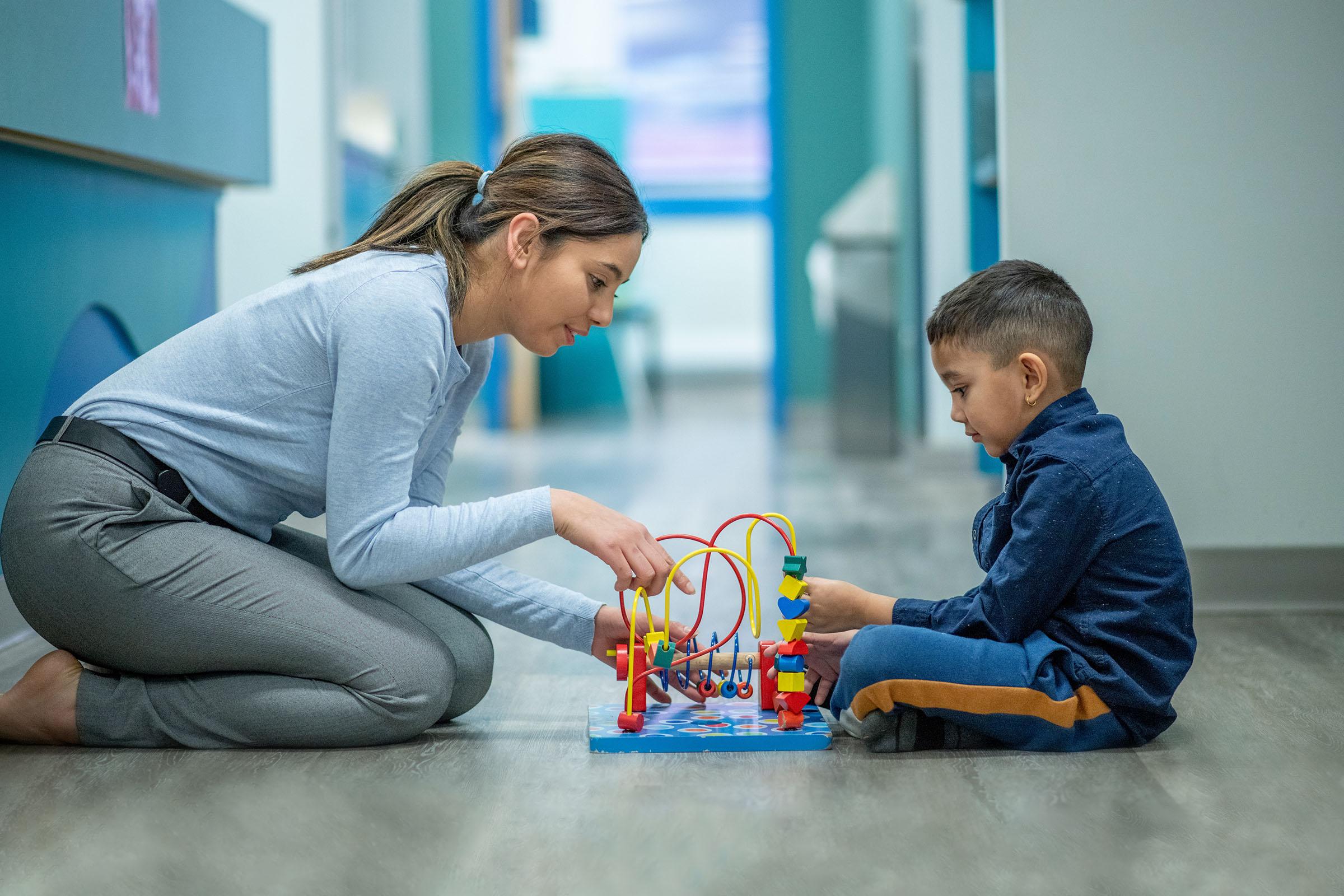
Occupational therapy is active. Sessions often involve real tasks. A client may practise making tea or buttoning a shirt. A child may practise cutting paper or tying shoes. These activities build skill in context. They also reveal hidden barriers. A therapist watches closely. They adjust the task to the right challenge level.
Practising in real settings improves transfer. Skills learned in a clinic must work at home. Therapists may visit kitchens, bathrooms, or workplaces. They test tasks in the actual space. They adjust the environment as needed. Family members join in the learning. This approach prevents the gap between clinic and life. It also builds confidence.
Task breakdown makes learning easier. A complex activity is split into steps. Each step is practised separately. Then steps are linked together. Cues and reminders support memory. Praise and feedback guide improvement. Over time, support is reduced. The person performs the whole task independently. Success feels earned.
Grading the Challenge
Good therapy sits in a sweet spot. Tasks should be hard enough to promote growth. They should not be so hard that they cause failure. Therapists grade activities up or down. They may change speed, weight, or complexity. They may add or remove prompts. This careful balance keeps motivation high. It also protects safety.
Practical Skills in Different Life Stages
Children build practical skills as they grow. Fine motor tasks include drawing, cutting, and writing. Self care tasks include dressing and feeding. Social tasks include sharing and turn taking. When development is delayed, therapy offers support. Play based activities make learning fun. Parents learn to reinforce skills at home. Early help sets children up for school success.
Adults rely on practical skills for work and family. Typing, lifting, driving, and managing a household all require them. Injury or illness can disrupt these abilities. Therapists help adults return to roles. They may recommend ergonomic changes. They may teach energy saving techniques. They may coach time management. Clear plans support a smooth return.
Older adults need practical skills to stay independent. Cooking, medication management, and safe mobility are priorities. Skills may decline gradually with age or illness. Therapists adapt tasks and environments. They teach safe methods. They support family caregivers. The aim is to keep people at home safely. Practical focus preserves dignity and choice.
Safety and Prevention
Practical skills protect against harm. Safe lifting prevents back injuries. Good kitchen habits prevent burns and cuts. Balance and transfer skills reduce falls. Medication routines prevent errors. These skills reduce hospital visits. They also reduce anxiety for families. Prevention is a central part of the profession.
Therapists assess risks carefully. They observe how you perform real tasks. They notice unsafe habits you may not see. They suggest simple fixes. Examples include better lighting and sturdier chairs. They may recommend assistive tools. They teach how to use them correctly. Safe skills allow more freedom.
Preparation for emergencies is also practical. Knowing how to call for help matters. Keeping a phone within reach is vital. Medical alert systems provide security. Clear escape routes help during fires. Therapists can review such plans. Families sleep better knowing safeguards exist. Preparedness is part of function.
Practical Skills and Mental Wellbeing
Doing things improves mood. Completing a task brings satisfaction. Accomplishment builds self esteem. Routine structures the day and reduces anxiety. Meaningful activity gives purpose. When people lose skills, they may feel useless or sad. Rebuilding them can lift spirits. Therapists understand this link.
For mental health conditions, practical skills are central. People with depression may struggle to start tasks. Those with anxiety may avoid outings. Therapists use graded activity to rebuild confidence. They help create daily schedules. They teach stress management in real situations. Progress is measured by what you can do. Function and mood improve together.
Social skills are practical too. Communicating needs, joining groups, and building friendships all require ability. Some people need support to practise. Therapists use role play and community outings. They teach cues and coping strategies. Social participation protects mental health. It also reduces loneliness. Connection is a daily need.
Practical Skills in the Workplace
Work demands a wide range of skills. Some roles need physical stamina. Others need focus and organization. Injury or illness may limit abilities. Occupational therapists analyse job demands. They compare them with your current capacity. Then they design a plan to bridge the gap. Graded return to work is common. Hours and duties increase gradually.
Ergonomics play a big role. Workstation setup affects comfort and productivity. Tool choice influences strain. Breaks and posture changes prevent overuse injuries. Therapists advise on all of these. They may visit the workplace. Employers often welcome their input. Healthy workers are productive workers. Prevention saves costs.
When you want support, consider contacting an occupational therapist nova scotia practice that offers workplace and home assessments. Share your job duties and challenges. Ask how they will coordinate with employers and insurers. Check fees and coverage. Clear communication improves outcomes. A structured plan can restore confidence. Returning to work is a major milestone.
The Role of the Environment
Skills do not exist in isolation. The environment can help or hinder them. A cluttered kitchen increases difficulty. Poor lighting raises fall risk. Stairs without rails create danger. Occupational therapists look at the whole setting. They suggest modifications that fit your needs. Sometimes a small change removes a big barrier.
Assistive devices extend ability. Reachers, adapted utensils, and shower chairs are common examples. Mobility aids support walking. Communication devices assist speech. Software helps with reading and writing. Selection should match your skills and goals. Training ensures safe use. Devices work best when you feel comfortable. Therapists guide that process.
Social environment matters as well. Supportive family and friends encourage practice. Overprotective help can reduce skill. Education helps loved ones find the right balance. Therapists coach them on cueing and encouragement. They show when to step back. Respectful support builds independence. Everyone learns together.
Measuring Progress in Practical Terms
Occupational therapy uses real world measures. Can you dress in less time? Can you cook a simple meal safely? Can you walk to the mailbox without rest? These questions show true progress. Therapists may use standard tests as well. They track change over time. They share results with you. Seeing improvement is motivating.
Goals are set with you at the start. They should be specific and meaningful. For example, you might aim to make breakfast alone. Or you might aim to attend a family event. Each goal is broken into steps. Progress toward each step is celebrated. When a goal is met, new ones are set. The process is dynamic.
Feedback from you is essential. Tell the therapist what feels easier or harder. Share setbacks honestly. They provide useful information. The plan can then be adjusted. Therapy is a partnership. Your voice shapes the direction. Shared decisions lead to better results.
Final Thoughts
Practical skills are the foundation of occupational therapy. They connect health to daily life. By focusing on real tasks, therapists help people regain independence and confidence. They adapt methods, tools, and environments to fit each person.
Whether you are recovering from injury, managing illness, or supporting a child, practical skills matter. They protect safety, improve mood, and expand freedom. If daily activities feel harder than they should, consider seeking an assessment. With guidance and practice, new abilities can grow. Every small step toward independence is worth celebrating.

 English
 Arabic
 French
 Spanish
 Portuguese
 Deutsch
 Turkish
 Dutch
 Italiano
 Romaian
 Portuguese (Brazil)
 Greek
