
How Long Does It Take for Scars to Heal After Breast Reduction Surgery?
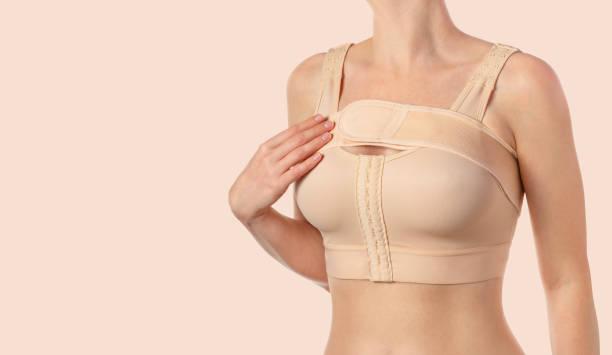
Scarring is a natural part of the healing process after breast reduction surgery. Although the procedure can help reduce breast size and improve body proportions, it involves incisions that leave marks on the skin. These scars gradually change in appearance as the body repairs the treated areas. Understanding how long healing takes, what influences scar development, and how to care for incision sites can help patients develop realistic expectations. Individuals considering Breast Reduction Surgery in Riyadh (تصغير الثدي في الرياض) should understand that scars do not disappear immediately, and their final appearance may take several months or longer to develop.
How Long Does It Take for Breast Reduction Scars to Heal?
Breast reduction scars generally pass through several stages of healing. The initial skin closure often takes a few weeks, but scar maturation continues for many months. The exact timeline depends on individual healing, incision placement, surgical technique, and skin characteristics.
First Two Weeks: Initial Wound Healing
During the first two weeks, the incision edges begin to close as the body starts repairing the affected tissue. Patients may notice redness, swelling, bruising, tenderness, and mild sensitivity around the surgical areas.
Following wound-care instructions is especially important during this stage. Keep the incisions protected as directed, avoid unnecessary friction, and do not pick at scabs or remove surgical adhesives without medical guidance.
Weeks Three to Six: Early Scar Formation
As the skin continues to heal, the incision lines may become more noticeable. Some patients experience firmness, itching, or mild sensitivity around the scars. These changes can occur as new tissue develops.
Avoid stretching the chest, lifting heavy objects, or performing strenuous exercise until your surgeon approves these activities. Protecting the healing areas from excessive tension can support better wound recovery.
Three to Six Months: Scars Begin to Mature
During this period, scars may gradually become flatter and softer. Their color can also change, although some redness or discoloration may remain. The appearance varies depending on skin type, genetics, and how the incisions healed.
Your surgeon may recommend specific scar-management options once the wounds are completely closed.
Six to Twelve Months and Beyond: Continued Scar Improvement
Scar maturation can continue for a year or longer. Over time, scars may become less red and more similar to the surrounding skin, although they usually do not disappear completely.
Some patients develop wider, raised, or darker scars. If the appearance is concerning, a medical professional can assess the area and discuss suitable treatment options.
Where Are Breast Reduction Surgery Scars Usually Located?
Scar placement depends on the amount of tissue removed, breast shape, skin quality, and the surgical technique selected. Surgeons generally place incisions strategically to support breast reshaping while considering their visibility.
Common incision patterns include:
-
Around the areola: An incision follows the border of the areola and may be suitable for selected patients requiring more limited reshaping.
-
Vertical or lollipop incision: This pattern extends around the areola and vertically down toward the breast crease.
-
Anchor or inverted-T incision: This includes an incision around the areola, a vertical line down the breast, and a horizontal line along the breast crease.
Each approach has different considerations. Your surgeon can explain which technique is appropriate for your anatomy and surgical goals.
What Factors Affect Breast Reduction Scar Healing?
Scar development differs between individuals. Several factors can influence how quickly incisions heal and how noticeable the final scars become.
Skin Type and Genetics
Some individuals naturally develop thicker or more noticeable scars. A personal or family history of keloids or hypertrophic scars may indicate a greater likelihood of raised scarring.
Surgical Technique and Incision Tension
The location and length of incisions can affect scar appearance. Excessive tension on healing skin may contribute to wider scars, which is why following movement restrictions is important.
Smoking and Nicotine Use
Nicotine can reduce blood flow to healing tissues and interfere with wound repair. Avoiding smoking and other nicotine products according to your surgeon's instructions can support recovery.
Overall Health and Nutrition
General health, adequate protein intake, hydration, and management of existing medical conditions can influence the body's ability to repair tissue. Follow your healthcare provider's recommendations for nutrition and medication management.
How to Care for Scars After Breast Reduction Surgery
Appropriate aftercare can help protect healing skin and support a healthier scar-maturation process. Patients should always follow their surgeon's instructions because products and treatments should only be introduced at the appropriate stage.
-
Keep incisions clean: Follow the recommended cleaning and dressing routine.
-
Avoid unnecessary friction: Wear comfortable clothing and the supportive garment recommended by your surgeon.
-
Do not pick at healing skin: Allow scabs and surgical adhesives to resolve according to medical instructions.
-
Use silicone products only when approved: Silicone sheets or gels may help improve the appearance of certain scars after the skin has fully closed.
-
Protect scars from sunlight: Ultraviolet exposure can make discoloration more noticeable. Use appropriate sun protection when the area is exposed and your surgeon approves it.
-
Attend follow-up appointments: Regular assessments allow your surgeon to monitor healing and identify concerns early.
Patients recovering from Breast Reduction Surgery in Riyadh should avoid applying scar creams, oils, or other products to open or incompletely healed incisions.
Can Breast Reduction Scars Be Completely Removed?
Surgical scars generally cannot be removed completely. However, their appearance may improve as they mature, and some treatments can make them less noticeable.
Depending on the scar type, a specialist may discuss silicone therapy, laser treatments, steroid injections for selected raised scars, or surgical scar revision. The most appropriate option depends on the scar's appearance, age, location, and the patient's healing history.
Treatment should not begin without a professional assessment, particularly while the original surgical wounds are still healing.
When Should You Be Concerned About Scar Healing?
Some redness, itching, and firmness can occur during normal scar development. However, increasing redness, warmth, swelling, worsening pain, unusual discharge, or wound separation may indicate a complication and should be assessed promptly.
Raised scars that extend beyond the original incision boundaries may also require professional evaluation. Early guidance can help determine whether the changes are part of normal healing or need specific treatment.
Understand Your Recovery Journey With Royal Clinic Saudia
Breast reduction scars gradually mature, and their final appearance may take a year or longer to develop. Careful incision management, appropriate activity restrictions, and regular medical follow-up can support the healing process. Patients considering Breast Reduction Surgery in Riyadh should discuss expected scar placement, healing timelines, and available scar-care options during their consultation. The medical team at Royal Clinic Saudia (عيادات رويال كلينك) can provide personalized guidance to help patients understand the procedure and make informed decisions about their recovery.

 English
 Arabic
 French
 Spanish
 Portuguese
 Deutsch
 Turkish
 Dutch
 Italiano
 Russian
 Romaian
 Portuguese (Brazil)
