
Which Blood Tests Are Included in a Visa Medical Examination?
A visa medical examination is an important part of many immigration processes. Depending on the destination country and visa category, applicants may need to complete a physical examination, chest X-ray, blood tests, or other health assessments before their application can proceed.
One common question is: Which blood tests are included in a visa medical examination?
The answer depends on the immigration authority's health requirements, the applicant's age, medical history, and individual circumstances. Some visa programs require screening for specific infectious diseases, while others may request additional investigations when medically necessary.
Common Visa Blood Test Dubai in certain immigration medical programs may include screening for HIV, hepatitis B, hepatitis C, and syphilis. However, these tests are not universal requirements for every visa applicant. General blood investigations may also be requested depending on the purpose of the examination.
This guide explains the blood tests that may be included in a visa medical examination, what each test checks, why immigration authorities request them, and how applicants can understand the process.
The Visa Medical Blood Test Checklist: What Might Be Included?
There is no single blood test panel used worldwide for immigration medical examinations. Each country establishes its own medical screening requirements.
The following table summarizes examples of tests that may be requested in certain visa programs.
| Blood test | What it checks | Possible purpose |
|---|---|---|
| HIV screening | Evidence of HIV infection | Infectious disease screening |
| Hepatitis B screening | Specific hepatitis B markers | Assessment of current or previous infection and immunity |
| Hepatitis C screening | Hepatitis C antibodies and, when needed, viral RNA | Assessment of possible exposure or active infection |
| Syphilis screening | Blood markers associated with syphilis | Detection and further assessment of possible infection |
| Complete blood count (CBC) | Red blood cells, white blood cells, and platelets | General health assessment when requested |
| Blood glucose | Blood sugar level | Assessment of glucose regulation when clinically indicated |
| Other investigations | Specific health markers | Individual medical or program requirements |
Not every applicant will undergo all these tests. The authorized medical provider should explain which investigations apply to your particular visa examination.
Understanding the Main Infectious Disease Screening Tests:
Some immigration medical programs include blood tests that screen for infectious diseases relevant to public health or individual medical assessment.
Here is what the most commonly discussed tests involve.
1. HIV Blood Test
HIV screening may be included in immigration medical examinations for certain countries and visa categories.
Modern HIV screening commonly uses tests that detect HIV antibodies and, depending on the test, the p24 antigen.
A report may show a non-reactive or reactive result.
-
Non-reactive: The test did not detect the markers it was designed to identify at the time of testing.
-
Reactive: The screening test detected a response that requires further assessment.
A reactive screening result is not automatically a confirmed HIV diagnosis. Follow-up testing is required according to the relevant diagnostic procedure.
The timing of testing also matters because an infection may not be detectable immediately after exposure.
2. Hepatitis B Blood Test
Hepatitis B is a viral infection that affects the liver. Certain visa medical programs may include hepatitis B screening as part of their health assessment.
Testing can involve several markers, including:
-
HBsAg: Hepatitis B surface antigen, which may indicate a current infection.
-
Anti-HBs: Antibodies that may indicate immunity following vaccination or recovery.
-
Anti-HBc: Antibodies that can provide evidence of previous or current exposure.
These markers provide different information. A healthcare professional may interpret them together rather than relying on one result.
If a result suggests possible infection, additional testing or medical assessment may be recommended.
3. Hepatitis C Blood Test
Hepatitis C is another viral infection that affects the liver.
An initial hepatitis C blood test commonly checks for antibodies against the virus. A reactive antibody result suggests previous exposure but does not necessarily mean an active infection is present.
An HCV RNA test may be requested to determine whether the virus is currently detectable.
This distinction is important because some people may have antibodies even after clearing the infection or completing successful treatment.
4. Syphilis Blood Test
Syphilis is a bacterial infection that may be included in certain immigration medical screening programs.
Blood testing generally involves one or more types of tests:
-
Non-treponemal tests: Such as RPR or VDRL, which can help assess possible infection and monitor treatment response.
-
Treponemal tests: Tests that detect antibodies directed against the bacteria associated with syphilis.
A reactive result may need further interpretation. Previous treatment, medical history, and additional test findings can influence the assessment.
Applicants should discuss any positive or reactive finding with a qualified healthcare professional rather than assuming it represents a new infection.
Are General Health Blood Tests Part of a Visa Medical Examination?
In some cases, yes. An immigration medical examination may include additional blood investigations beyond infectious disease screening.
These tests are generally selected according to the applicable medical protocol or an individual's health circumstances.
Complete Blood Count (CBC)
A CBC measures different components of blood, including red blood cells, white blood cells, hemoglobin, and platelets.
It can provide information about conditions such as anemia and certain abnormalities in blood cell counts.
However, a CBC is not automatically required in every visa medical examination.
Blood Glucose Test
A blood glucose test measures the amount of sugar in the blood.
A healthcare professional may request it when assessing diabetes or investigating other medical concerns.
Depending on the specific test, fasting may or may not be required.
Liver and Kidney Function Tests
Certain medical assessments may include tests that provide information about liver or kidney function.
These investigations are not universal immigration screening requirements. They may be requested when the medical history, examination findings, or applicable program rules make them relevant.
Does a Visa Medical Examination Include a Tuberculosis Blood Test?
Tuberculosis (TB) screening is an important part of some immigration medical programs, but it is not always performed through a standard blood test.
Depending on the country and applicant's circumstances, TB assessment may involve:
-
Chest X-ray
-
Medical history and symptom assessment
-
Interferon-gamma release assay (IGRA)
-
Tuberculin skin test
-
Additional investigations when indicated
An IGRA is a blood-based test that assesses the immune system's response to TB-related antigens. It is different from a standard blood panel and does not by itself establish whether a person has active tuberculosis.
A chest X-ray and further clinical assessment may be necessary when required by the applicable screening protocol.
Why Do Immigration Authorities Request Blood Tests?
Immigration medical screening is intended to assess health issues identified under a country's immigration and public health policies.
The reasons for requesting blood tests can include:
Public health screening: Certain programs assess specific infectious diseases as part of their public health requirements.
Medical assessment: Laboratory findings may help healthcare professionals understand an applicant's health status.
Follow-up of existing conditions: Additional investigations may be needed when an applicant reports a previous diagnosis or has relevant examination findings.
Compliance with visa requirements: Applicants may need to complete the investigations specified for their visa category before the medical examination can be finalized.
It is important to understand that immigration medical screening is not the same as a complete health check-up. The tests are selected according to the relevant immigration and medical requirements.
How Are Visa Blood Tests Performed?
Most visa blood tests follow a straightforward collection process.
Registration: The clinic verifies your identity and medical examination details.
Medical review: The healthcare professional checks the required investigations and may ask about your medical history.
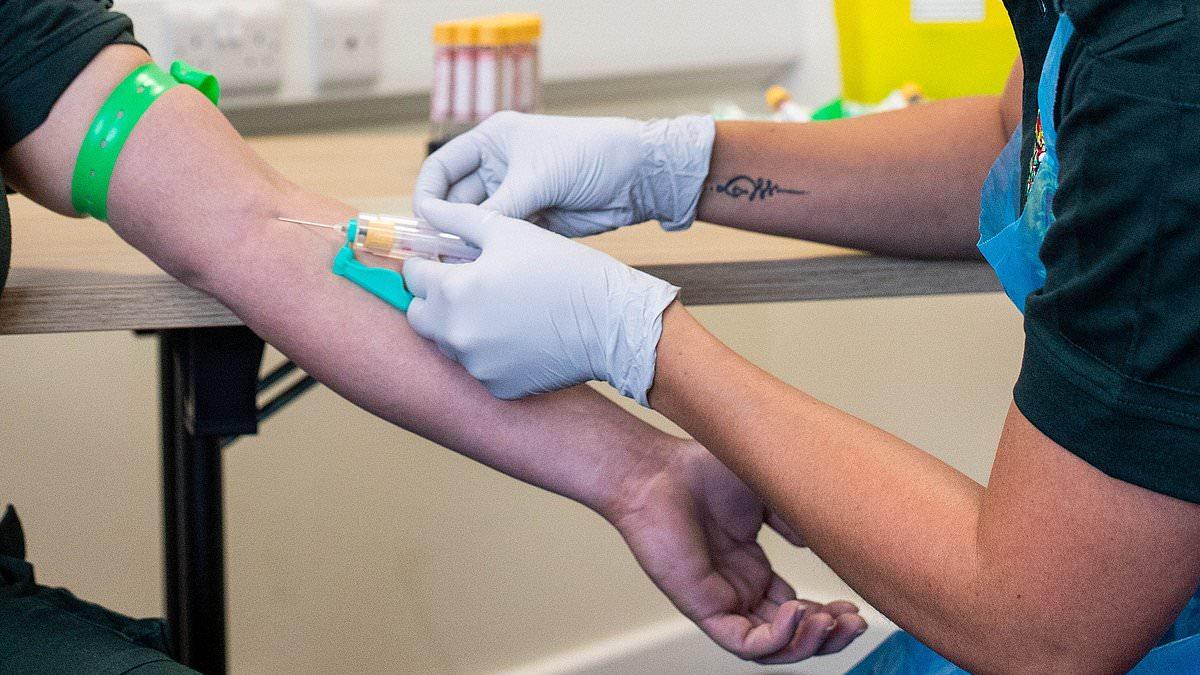
Blood collection: A trained professional usually collects a sample from a vein in your arm using a sterile needle.
Laboratory processing: The sample is labeled and sent for the requested investigations.
Result review: Laboratory findings are reviewed, and additional tests may be requested when necessary.
Medical reporting: The authorized provider completes the relevant medical documentation and follows the immigration program's reporting procedure.
The blood collection itself is usually brief, although the full medical examination and reporting process may take longer.
Do You Need to Fast Before Visa Medical Blood Tests?
Fasting is not automatically required for every visa blood test.
Common infectious disease screening tests, such as HIV and hepatitis screening, generally do not require fasting. However, an additional investigation, such as fasting blood glucose, may require a specified period without food.
Follow the instructions provided by your medical centre. If you are unsure which tests have been ordered, ask the clinic before your appointment.
Do not stop prescribed medication or change your normal treatment routine without medical advice.
What Happens If a Visa Blood Test Result Is Abnormal?
An abnormal or reactive result does not automatically mean that your visa will be refused.
Some screening tests require confirmatory investigations before a diagnosis can be established. Other findings may need clinical interpretation, review of previous treatment records, or additional medical documentation.
If your provider contacts you about a result:
-
Ask which specific test requires follow-up.
-
Find out whether the result is preliminary or confirmed.
-
Provide relevant medical records and previous treatment information.
-
Complete any recommended additional investigations.
-
Follow the official medical reporting process for your visa category.
Immigration medical decisions depend on the rules of the destination country and the specific circumstances of the application. Only the relevant authority can determine the immigration outcome.
Frequently Asked Questions:
Are blood tests compulsory for every visa applicant?
No. Requirements vary by destination country, visa category, age, and individual circumstances. Some applicants may need blood tests, while others may have different medical screening requirements.
Which diseases are commonly checked in a visa blood test?
Depending on the immigration program, screening may include HIV, hepatitis B, hepatitis C, or syphilis. The exact tests are determined by the relevant medical protocol.
Does every visa medical examination include a CBC?
No. A complete blood count may be requested in certain circumstances, but it is not a universal requirement for all immigration medical examinations.
Can I eat before my visa medical blood test?
Many infectious disease screening tests do not require fasting. If additional tests have been ordered, ask the medical centre whether fasting is necessary.
How long does it take to receive visa blood test results?
Routine laboratory results may be available within a few working days, but specialized testing, confirmatory investigations, and medical reporting can take longer.
Will a positive blood test automatically cause visa rejection?
No. A reactive screening result is not necessarily a confirmed diagnosis, and the immigration outcome depends on the applicable rules and medical assessment.
Final Thoughts: Know Which Tests Apply to Your Visa
Blood Lab tests included in a visa medical examination vary according to the destination country, visa category, and individual medical circumstances. Some programs may request HIV, hepatitis B, hepatitis C, or syphilis screening, while additional tests such as a CBC, blood glucose, or other investigations may be ordered when appropriate.
Tuberculosis screening may also be required, but it can involve chest X-rays, clinical assessment, or specialized blood tests rather than a standard blood panel.
Before attending your appointment, confirm the required investigations with your authorized medical provider. Follow the preparation instructions, provide accurate medical information, and ask for clarification if a result requires further testing.
Understanding the purpose of each blood test can make your immigration medical examination easier to navigate and help you prepare for the next stage of your visa application.

 English
 Arabic
 French
 Spanish
 Portuguese
 Turkish
 Dutch
 Italiano
 Russian
 Romaian
 Portuguese (Brazil)
 Greek
