
Is Lymphatic Drainage Massage Painful?
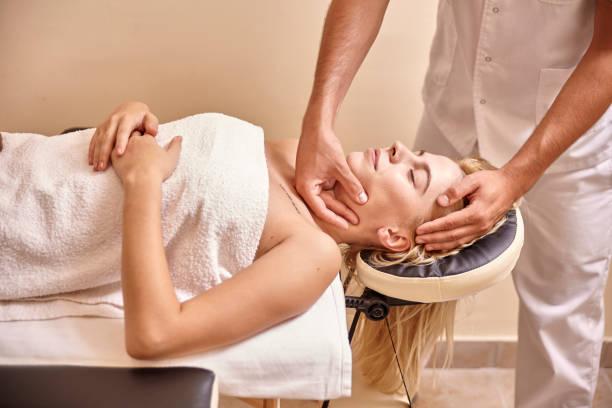
Many people consider lymphatic drainage massage to help manage swelling, fluid buildup, or puffiness, but they may wonder whether the treatment causes discomfort. The good news is that Lymphatic drainage massage in Riyadh (التدليك اللمفاوي في الرياض) is generally a gentle and relaxing technique. Unlike deep tissue massage, it uses light, slow, rhythmic movements designed to encourage the natural flow of lymph fluid without applying strong pressure.
For most people, the treatment should not be painful. The therapist uses gentle hand movements over the skin to stimulate superficial lymphatic vessels and support fluid movement. If you are considering Lymphatic drainage massage in Riyadh, understanding what the session feels like, what sensations are normal, and when discomfort may be a warning sign can help you feel more prepared.
Why Is Lymphatic Drainage Massage Usually Painless?
Lymphatic drainage massage is different from traditional massage techniques that focus on deeper muscles. Its purpose is to support the lymphatic system, which helps transport fluid from body tissues back into circulation.
The technique generally involves:
-
Light pressure rather than deep kneading.
-
Slow, repetitive movements following lymphatic pathways.
-
Gentle stretching of the skin to encourage lymph flow.
-
Careful attention to areas where lymph nodes and vessels are located.
Because the pressure is light, many people describe the experience as calming and comfortable.
What Does Lymphatic Drainage Massage Feel Like?
During a session, you may feel gentle movements across the skin, light stretching, or a soothing sensation as the practitioner works on different areas. The treatment should not involve forceful pressure or intense muscle manipulation.
Some people may notice:
-
A relaxing sensation during the massage.
-
Mild warmth in the treated area.
-
Temporary lightness or reduced tightness if swelling improves.
-
A need to urinate more frequently after treatment, although this does not happen to everyone.
Individual experiences vary depending on the person's health, the treatment area, and the reason for receiving massage.
Can Lymphatic Drainage Massage Cause Discomfort?
Although the treatment is usually comfortable, some individuals may experience mild sensitivity. This can happen when an area is already swollen, tender, or recovering from a medical procedure.
Possible reasons for discomfort include:
-
Existing inflammation or skin sensitivity.
-
Excessive pressure or incorrect massage technique.
-
Recent surgery or injury.
-
An underlying condition causing swelling or pain.
A properly performed session should not cause sharp, intense, or persistent pain. Tell your practitioner immediately if the pressure feels uncomfortable. The technique should be adjusted or stopped when necessary.
What Happens During a Lymphatic Drainage Massage Session?
Initial Consultation
Before beginning, the practitioner should ask about your health history, symptoms, medications, and treatment goals. This helps determine whether lymphatic drainage massage is appropriate.
Gentle Massage Techniques
You will usually lie comfortably while the practitioner applies light, rhythmic movements to selected areas. The sequence depends on the treatment approach and your individual needs.
After the Treatment
You may feel relaxed or notice temporary changes in the treated area's swelling. Results vary, and one session may not produce a noticeable difference. Follow any aftercare guidance provided by your healthcare professional.
Is Lymphatic Drainage Massage Painful After Surgery?
Some people receive lymphatic drainage as part of a recovery plan following certain surgical procedures. However, post-operative massage must only be performed with approval from the treating surgeon or healthcare professional.
Recently operated areas may be tender, bruised, or sensitive. The practitioner should follow the surgeon's instructions and avoid applying pressure to incisions or areas that have not healed sufficiently. Do not assume that massage is suitable simply because swelling is present.
How Can You Make Your Session More Comfortable?
A few simple steps can help support a comfortable experience:
-
Choose a trained practitioner who understands appropriate lymphatic drainage techniques.
-
Share your medical history and mention any areas of tenderness.
-
Explain if you feel discomfort during the session.
-
Follow the recommended treatment plan rather than requesting stronger pressure.
-
Stay hydrated according to your healthcare professional's advice.
Remember that stronger pressure does not make lymphatic drainage more effective. Gentle technique is an important part of this treatment.
When Should You Avoid Lymphatic Drainage Massage?
Lymphatic drainage massage is not suitable for everyone. It may be unsafe for people with suspected blood clots, active infections, uncontrolled heart failure, or certain serious kidney conditions unless specifically cleared by a healthcare professional.
Sudden or unexplained swelling should be medically assessed before massage. Seek urgent medical attention if one leg becomes suddenly swollen, painful, red, or warm, or if swelling occurs with shortness of breath or chest pain.
Book a Consultation at Royal Clinic Saudia
If you are considering lymphatic drainage massage and have questions about comfort or suitability, a professional consultation can help you understand your options. Contact Royal Clinic Saudia (عيادات رويال كلينك) to discuss your concerns and find out whether this gentle approach may be appropriate for your needs.
FAQs:
Should lymphatic drainage massage hurt?
No. It is generally a gentle treatment that should not cause pain. If you experience sharp or significant discomfort, inform the practitioner immediately.
Does lymphatic drainage massage use deep pressure?
No. It typically uses light, rhythmic movements on the skin rather than deep pressure or strong muscle manipulation.
Can I feel sore after lymphatic drainage massage?
Most people do not experience significant soreness. However, mild sensitivity may occur, particularly if the treated area is already tender or swollen.
How long does a lymphatic drainage massage session last?
Session length varies depending on the treatment area, technique, and individual needs. Your practitioner can explain the expected duration during your consultation.

 English
 Arabic
 Spanish
 Portuguese
 Deutsch
 Turkish
 Dutch
 Italiano
 Russian
 Romaian
 Portuguese (Brazil)
 Greek
