
Can Rhinoplasty Results Change Over Time?
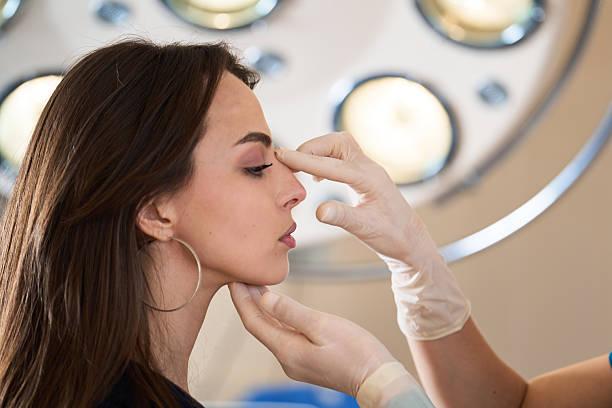
Rhinoplasty is a surgical procedure that reshapes the nose to improve facial proportions, correct structural concerns, or support better breathing. Although the changes made during surgery are generally long-lasting, the nose can continue to evolve as tissues heal and the body naturally ages. Patients may notice gradual differences in nasal definition, skin texture, or overall appearance over the years. Understanding how healing, aging, and individual anatomy influence long-term outcomes is important when considering Rhinoplasty cost in Saudi arabia (تجميل الأنف في الرياض) and planning treatment. Realistic expectations help patients understand that the final surgical result develops gradually and may change slightly over time.
Do Rhinoplasty Results Last Permanently?
Rhinoplasty generally creates long-lasting structural changes because the surgeon reshapes the nasal bone and cartilage. Once healing is complete, the new framework usually maintains its corrected shape.
However, permanent does not mean that the nose will remain completely unchanged throughout life. Natural aging, skin changes, injuries, and individual healing characteristics can influence its appearance. The extent of these changes varies between patients, and most gradual differences do not necessarily indicate a surgical complication.
How Does the Nose Change During the Healing Process?
The appearance of the nose immediately after surgery is not the final result. Swelling, bruising, and temporary tissue changes can affect its shape during the first several weeks and months.
Initial Swelling and Bruising
Swelling is a normal response to surgery. It may make the nose appear larger, wider, or less defined during the early recovery period. Bruising around the eyes may also occur, particularly when the nasal bones have been adjusted.
These effects generally improve gradually as the tissues recover. Patients should avoid judging the outcome too early because the initial appearance may differ considerably from the eventual result.
Gradual Nasal Tip Refinement
The nasal tip can take longer to settle than other areas because it contains delicate cartilage and soft tissues. Patients may notice that the tip initially looks swollen or rounded before gradually becoming more defined.
Skin thickness, surgical technique, and the extent of reshaping can influence how quickly this area heals. Some subtle swelling may remain for a year or longer.
Final Results Become More Visible
As swelling decreases and the tissues stabilize, the nose's new contours become clearer. Many patients see substantial improvement during the first few months, although final refinement can take 12 months or longer. Revision procedures and cases involving thicker skin may require additional healing time.
How Can Aging Affect Rhinoplasty Results?
Natural aging affects the skin, cartilage, and supporting tissues throughout the body, including the nose. Even after successful rhinoplasty, these changes can gradually influence nasal appearance.
Changes in Skin Elasticity
As people age, skin gradually loses some elasticity and firmness. This can affect how the skin rests over the nasal framework and may make certain contours appear different over time.
Changes in Nasal Support
Cartilage and connective tissues can change with age. The nasal tip may gradually become less supported or appear slightly different as surrounding structures evolve.
Changes in Facial Proportions
Aging can also affect the cheeks, lips, chin, and jawline. These changes may alter how the nose appears in relation to the rest of the face, even when the surgical structure itself remains stable.
Can Weight Changes Affect Rhinoplasty Results?
Significant changes in body weight can influence facial fullness and the appearance of surrounding features. However, weight fluctuations generally do not directly reshape the underlying nasal bone and cartilage.
Changes in facial fat distribution may make the nose appear more or less prominent relative to the cheeks and jawline. Patients should understand that facial proportions can evolve independently of the structural changes made during rhinoplasty.
Can an Injury Change the Shape of a Surgically Reshaped Nose?
Yes. Trauma or accidental impact can affect the nose after rhinoplasty, especially if the healing structures have not fully stabilized.
A significant injury may cause swelling, cartilage damage, fractures, or changes in nasal alignment. Patients should protect their nose during recovery and follow medical guidance before returning to contact sports or other activities involving facial impact.
If an injury causes sudden deformity, significant pain, persistent bleeding, or new breathing difficulties, prompt medical assessment is important.
What Factors Influence Long-Term Rhinoplasty Results?
Several factors contribute to how the nose looks after surgery and how its appearance may evolve over time.
-
Skin thickness: Thicker skin may make subtle structural changes less visible and can influence swelling duration.
-
Surgical technique: The approach and extent of reshaping affect structural support and healing.
-
Cartilage support: Maintaining an appropriate nasal framework is important for long-term stability.
-
Individual healing: Patients may experience different degrees of swelling, scar formation, and tissue settling.
-
Aging: Natural changes in skin and connective tissues can gradually influence nasal appearance.
-
Previous surgery: Revision procedures may involve scar tissue or altered anatomy, making long-term planning more complex.
-
Postoperative care: Following recovery instructions helps protect the nose while healing progresses.
These considerations are also relevant when discussing Rhinoplasty cost in Saudi arabia, because surgical complexity, structural correction, and follow-up requirements can vary between patients.
Can Rhinoplasty Results Be Improved or Corrected Later?
Some patients may remain concerned about an irregular contour, asymmetry, or breathing difficulty after surgery. However, additional treatment should not be considered until the nose has had sufficient time to heal, unless an earlier medical issue requires attention.
When Is Revision Rhinoplasty Considered?
Revision rhinoplasty may be discussed when persistent cosmetic or functional concerns remain after the initial procedure. Because previous surgery can create scar tissue and alter cartilage support, revision treatment is often more challenging than primary rhinoplasty.
Is Every Change a Reason for Another Surgery?
No. Minor differences may result from normal aging, natural asymmetry, or gradual tissue changes. A surgeon should assess whether the concern represents a structural problem, an expected healing change, or a difference in aesthetic expectations before recommending further treatment.
How Can Patients Maintain Their Rhinoplasty Results?
Although natural aging cannot be prevented, patients can take practical steps to protect their nasal structure and overall skin health.
-
Protect the nose from accidental injuries and direct impact.
-
Follow postoperative instructions during the healing period.
-
Attend recommended follow-up appointments.
-
Use suitable sun protection to support skin health.
-
Avoid unnecessary pressure on the nasal bridge and tip.
-
Seek medical advice if new breathing problems or structural changes develop.
Patients should also maintain realistic expectations because rhinoplasty does not stop the natural aging process or guarantee an unchanged appearance for life.
Frequently Asked Questions
Can the nose become larger again after rhinoplasty?
The nose generally maintains its surgically reshaped framework, but swelling, aging, and changes in surrounding tissues may influence its appearance. Significant enlargement should be evaluated by a qualified professional.
How long do rhinoplasty results take to become permanent?
The structural changes are generally long-lasting, but the tissues need time to heal. Final refinement may take 12 months or longer, depending on the procedure and individual recovery.
Does aging affect the nose after rhinoplasty?
Yes. Skin elasticity, cartilage support, and surrounding facial features can change naturally with age, potentially influencing the nose's appearance.
Can a nose become crooked again after rhinoplasty?
In some cases, trauma, healing changes, or underlying structural factors may affect alignment. Patients who notice new or worsening asymmetry should seek professional assessment.
Will I need revision rhinoplasty in the future?
Most patients do not automatically require another operation. Revision may be considered when significant cosmetic or functional concerns remain after adequate healing.
Discuss Long-Term Rhinoplasty Expectations at Royal Clinic Saudia
Rhinoplasty results are generally long-lasting, but the nose continues to experience natural changes during healing and aging. Understanding these factors helps patients develop realistic expectations and make informed decisions about surgery. A personalized consultation can clarify suitable techniques, structural considerations, recovery requirements, and factors that influence Rhinoplasty cost in Saudi arabia. At Royal Clinic Saudia (عيادات رويال كلينك), patients can discuss their aesthetic and functional concerns with qualified professionals and receive guidance about treatment planning, expected outcomes, and long-term nasal care.

 English
 Arabic
 French
 Spanish
 Portuguese
 Deutsch
 Turkish
 Dutch
 Italiano
 Russian
 Romaian
 Portuguese (Brazil)
