
Medical Packaging Equipment for Reliable Packaging
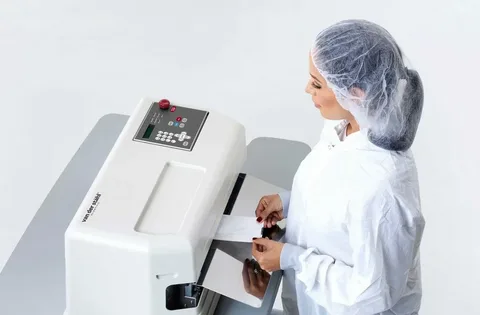
Reliable packaging is essential in healthcare because medical products must be protected throughout manufacturing, storage, transportation and handling. From surgical instruments and diagnostic components to medical devices and healthcare supplies, every product has specific packaging requirements. A poorly sealed or damaged package can affect product quality and create unnecessary risks for manufacturers and healthcare providers. That's why packaging should be treated as an important part of the overall production process.
Medical Packaging Equipment helps healthcare manufacturers and packaging facilities prepare, seal and protect products using controlled machinery and consistent procedures. The right equipment can improve packaging quality, reduce manual handling and support efficient production. For businesses that want dependable results without unnecessary operating expenses, choosing suitable machinery is a smart investment.
As healthcare manufacturing continues to develop, companies need packaging solutions that balance performance, product protection and affordability. Understanding the available equipment, its applications and the features worth comparing can help businesses make better decisions and establish more reliable packaging operations.
Understanding Medical Packaging Equipment
Medical packaging equipment refers to specialised machinery used to package healthcare products according to their material, design and intended application. Depending on the system, the process may involve forming, filling, sealing, wrapping, labelling or inspecting packages.
Medical Packaging Equipment is used across different healthcare applications, including medical device manufacturing, surgical instrument packaging, diagnostic product preparation and healthcare supply distribution.
Some products require simple protective packaging, while others need packaging designed to form part of a sterile barrier system. The machinery must therefore be suitable for the packaging material, product requirements and intended process.
It is important to understand that packaging machinery does not automatically sterilise products. Sterilisation is a separate process, and packaging systems must be designed and validated according to their intended purpose.
Why Reliable Medical Packaging Matters
Healthcare products often need to remain protected until they are ready for use. Packaging helps prevent damage, supports product identification and provides a barrier against external conditions.
Suitable Medical Packaging Equipment contributes to several important areas of healthcare operations.
Protecting Medical Products
Product protection is one of the main reasons healthcare manufacturers invest in specialised packaging machinery. Medical products may be exposed to dust, moisture, physical impact and handling during distribution.
Appropriate packaging helps protect products from these external factors. For products requiring sterile packaging, the complete packaging system must also maintain its intended barrier properties after the validated sterilisation process.
Using suitable machinery and packaging materials can support this objective. However, product protection depends on the complete packaging process rather than the machine alone.
Maintaining Packaging Consistency
Consistency matters when businesses package hundreds or thousands of products. Variations in sealing conditions or packaging procedures can result in incomplete seals, wrinkles and other defects.
Modern Medical Packaging Equipment can help standardise important production settings. Depending on the machine, these may include temperature, pressure, sealing time and packaging speed.
Repeatable processes make it easier for operators to follow established procedures and help quality teams monitor packaging performance.
Reducing Manual Errors
Manual packaging tasks can become challenging as production volumes increase. Repetitive work may also create variations between operators and slow down daily operations.
Suitable machinery can reduce unnecessary manual steps and support a more organised workflow. Employees can focus on equipment monitoring, quality checks and other production responsibilities.
Improving Operational Efficiency
Packaging delays can affect order fulfilment and overall production schedules. Businesses need machinery that can handle their expected workload without creating unnecessary bottlenecks.
The right Medical Packaging Equipment can help improve production flow by supporting faster and more consistent packaging operations. Choosing equipment with suitable capacity is important to avoid both underperformance and unnecessary investment.
Different Types of Medical Packaging Equipment
Medical manufacturers use different packaging formats depending on product design, material requirements and intended use. Selecting the correct machinery is essential for achieving suitable packaging results.
Sterile Medical Packaging Systems
Sterile medical packaging systems are designed to support packaging requirements for products that need to maintain sterility until the point of use.
These systems may involve compatible pouches, reels, trays and sealing equipment. The packaging must work with the intended sterilisation method and meet the requirements of the complete sterile barrier system.
When selecting Medical Packaging Equipment for sterile applications, manufacturers should evaluate material compatibility, sealing performance and validation requirements.
Hospital-Grade Packaging Machinery
Hospital-grade packaging machinery may be used in healthcare facilities and related environments where medical items require suitable packaging.
Hospitals and central sterile services departments may have different requirements depending on the products they handle and their operational procedures.
Equipment should be practical, easy to operate and appropriate for the packaging materials being used. Buyers should also consider available workspace, staff training and maintenance requirements.
Medical Device Packaging Solutions
Medical device packaging solutions cover the equipment and processes used to package medical devices according to their specific requirements.
Some devices require flexible pouches, while others may need trays, blister packs or protective wrapping. The packaging format depends on the device design, sterilisation method and intended distribution conditions.
A suitable Medical Packaging Equipment setup should accommodate the product dimensions and provide the required packaging functionality without damaging the device.
Cleanroom Packaging Equipment Medical
Cleanroom packaging equipment medical applications involve machinery used in controlled environments where cleanliness requirements are important.
Certain medical products need to be packaged under controlled conditions to minimise contamination risks. Equipment used in these environments should be suitable for the facility's cleanliness requirements and operating procedures.
Manufacturers should consider equipment design, cleaning requirements, material handling and compatibility with their cleanroom processes.
Automated Medical Packaging Technology
Automated medical packaging technology helps businesses reduce manual involvement in suitable packaging operations.
Depending on the production system, automation may support product feeding, package formation, sealing, labelling and inspection. This can improve workflow consistency and reduce repetitive tasks.
However, automation should be selected according to actual production requirements. A small facility may not need the same level of automation as a large medical device manufacturer.
Important Features to Consider Before Buying
Purchasing packaging machinery is a significant investment. Businesses should compare equipment according to their operational requirements rather than focusing only on the initial purchase price.
Compatibility With Packaging Materials
Different packaging materials require different processing and sealing conditions. Some machines are designed for flexible films, while others are suitable for rigid trays, blister materials or specialised medical pouches.
Before purchasing Medical Packaging Equipment, identify the materials used in your packaging process. Review the manufacturer's specifications and confirm that the machinery supports the intended packaging format.
Where possible, request a demonstration using actual packaging materials. This can help identify compatibility issues before installation.
Production Capacity
Production requirements vary between healthcare businesses. A small manufacturer may need compact equipment, while a larger facility may require an automated packaging line.
Consider the number of products packaged daily, expected future demand and available production space. Choosing machinery with appropriate capacity helps businesses avoid unnecessary costs while maintaining efficient operations.
Sealing Accuracy and Process Control
Sealing performance can directly affect packaging quality. Temperature, pressure and sealing time may need to be controlled according to the packaging material and machine design.
Suitable Medical Packaging Equipment should provide the controls required for the intended application. Businesses should also consider whether operators can monitor settings and maintain consistent procedures.
Ease of Operation
Equipment should be straightforward for employees to operate. Complicated controls can increase training time and create unnecessary difficulties during production.
Look for clear instructions, accessible controls and practical adjustment settings. User-friendly machinery can make daily packaging tasks easier to manage.
Maintenance and Technical Support
Maintenance is an important part of equipment ownership. Before purchasing, ask about servicing, replacement parts, warranty coverage and technical support.
Regular maintenance can help reduce unexpected downtime and support consistent equipment performance. Buyers should also confirm whether spare parts are readily available.
Price and Long-Term Value
Price is a major consideration for businesses working with limited budgets. However, the cheapest machine may not always provide the best long-term value.
Compare the initial cost with maintenance, energy consumption, consumables, training and expected equipment life. The best Medical Packaging Equipment investment is one that meets operational requirements while keeping long-term costs manageable.
Quality Control and Medical Packaging Standards
Reliable packaging requires more than suitable machinery. Manufacturers must establish controlled procedures and verify that their packaging systems perform as intended.
Understanding ISO 11607
ISO 11607 is an important standard covering packaging for terminally sterilised medical devices. It addresses requirements for packaging materials, sterile barrier systems and packaging systems.
Manufacturers should identify the applicable requirements for their products and markets. They should also establish suitable validation procedures to demonstrate that their packaging systems meet defined requirements.
Packaging Inspection and Testing
Inspection and testing help identify packaging defects that could affect product protection. Depending on the application, checks may include visual inspection, seal strength evaluation and package integrity testing.
These methods provide different types of information. For example, seal strength testing assesses the strength of a seal, while integrity testing can help identify defects that may compromise the packaging barrier.
Suitable Medical Packaging Equipment should be supported by appropriate inspection procedures and quality records.
Staff Training and Documentation
Employees should understand how to operate packaging machinery, follow approved settings and recognise common defects.
Clear procedures help reduce inconsistent working practices. Manufacturers should also maintain appropriate documentation for equipment maintenance, process monitoring and packaging quality checks.
How vanderstahl Fits Into Medical Packaging Equipment Research
Choosing packaging machinery requires careful research. Businesses should compare product specifications, intended applications, material compatibility and available technical support before making a decision.
vanderstahl is a brand businesses can include in their research when exploring packaging equipment options. Buyers should review available product information and confirm whether a particular machine meets their production and technical requirements.
It is worth asking suppliers about sealing controls, supported packaging materials, maintenance arrangements, warranty coverage and equipment documentation. Manufacturers should also check whether the machinery is suitable for their specific medical packaging application.
A Medical Packaging Equipment purchase should not be based only on marketing claims or advertised features. Businesses need to understand how the machinery fits into their complete packaging process, including quality control and validation requirements.
Common Mistakes to Avoid When Choosing Medical Packaging Machinery
One common mistake is purchasing machinery without checking packaging material compatibility. Even an advanced machine may produce poor results if it is not suitable for the materials being used.
Another mistake is focusing only on production speed. Capacity is important, but packaging accuracy, reliability and maintenance requirements also matter.
Some businesses overlook staff training and process documentation. Without clear operating procedures, even suitable machinery may produce inconsistent results.
Finally, manufacturers should not assume that purchasing Medical Packaging Equipment automatically guarantees regulatory compliance or sterile packaging performance. The complete packaging process must be assessed according to the product's intended use and applicable requirements.
Conclusion: Choosing Equipment for Reliable Packaging
Reliable healthcare packaging depends on suitable machinery, compatible materials and controlled operating procedures. The right equipment can help manufacturers protect products, improve packaging consistency and manage production more efficiently.
Choosing Medical Packaging Equipment requires careful consideration of packaging formats, production capacity, sealing performance, maintenance and long-term costs. Businesses should also establish appropriate inspection and validation procedures to confirm that their packaging systems meet their intended requirements.
For healthcare manufacturers and packaging facilities, investing time in equipment research can support better operational decisions. Brands such as vanderstahl can be included in the research process, with buyers encouraged to review individual product specifications before making a purchase.
Ultimately, reliable packaging is achieved through a complete approach that combines suitable equipment, quality materials, trained employees and consistent quality control.

 English
 Arabic
 French
 Portuguese
 Deutsch
 Turkish
 Dutch
 Italiano
 Russian
 Romaian
 Portuguese (Brazil)
 Greek
