
HVAC Services in Broward County: A Homeowner's Guide
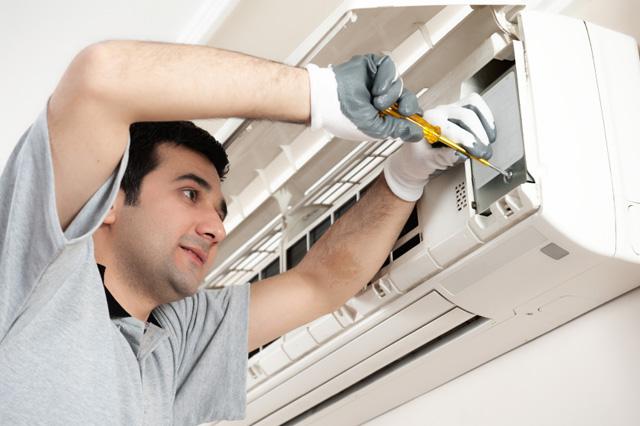
A dependable air conditioning system is more than a convenience in Broward County. It is essential for maintaining a comfortable, healthy home through long, humid summers and unpredictable weather changes. However, finding the right HVAC professional involves more than choosing the first company that appears in a local search.
Homeowners and business owners need experienced technicians who understand South Florida's climate, recognize the warning signs of equipment failure, and recommend solutions that make sense for the property. From emergency AC repairs to heating maintenance and indoor air quality improvements, choosing the right HVAC partner can protect your investment and prevent unnecessary expenses.
Understanding what professional HVAC care involves can help Broward County residents make informed decisions, improve system performance, and maintain reliable indoor comfort throughout the year.
1. Why Does Broward County's Climate Require Specialized HVAC Care?
South Florida presents unique challenges for residential and commercial HVAC systems. High temperatures, extended humidity, heavy rainfall, and coastal conditions place considerable demands on air conditioning equipment.
Unlike regions where heating systems handle several months of severe winter weather, Broward County properties depend heavily on cooling and moisture control. Consequently, HVAC equipment often operates for extended periods with relatively little seasonal downtime.
There are several local conditions worth considering.
High humidity and moisture accumulation
Humidity is one of the biggest challenges for Broward County homeowners. Even when an air conditioner reaches the thermostat's temperature setting, the indoor environment may still feel uncomfortable if moisture levels remain high.
An appropriately sized and maintained system should remove heat and moisture effectively. However, dirty evaporator coils, restricted airflow, incorrect equipment sizing, and drainage problems can interfere with this process.
Persistent moisture can also encourage mold growth, particularly in poorly ventilated areas.
Salt air and coastal exposure
Properties closer to the Atlantic coastline may experience additional equipment deterioration from salt exposure. Outdoor condenser coils, electrical connections, and metal components can be affected by corrosive environmental conditions.
Regular inspections help identify early signs of corrosion before they develop into expensive equipment problems.
Heavy rain and storm-related issues
Florida's hurricane season creates additional concerns for outdoor HVAC equipment. Heavy rainfall, strong winds, electrical interruptions, and debris can affect condensers and other external components.
Property owners should have their systems inspected after significant storms if they notice unusual noises, reduced cooling, visible damage, or electrical problems.
These conditions explain why HVAC maintenance in Broward County should be based on local environmental demands rather than a generic schedule.
2. What Should You Expect From Professional Cooling and Heating Services?
A complete HVAC service provider should understand the relationship between cooling equipment, heating components, ventilation, and indoor comfort.
While air conditioning receives most of the attention in Broward County, heating systems still deserve consideration. Winter temperatures can occasionally fall enough to make reliable heating necessary, particularly during overnight hours.
The right maintenance and repair approach depends on the property's equipment, age, usage, and condition.
Air conditioning installation and replacement
Installing a new air conditioner requires more than selecting a unit with a familiar brand name.
A qualified technician should evaluate the property's cooling requirements before recommending equipment. Factors include:
- Square footage and ceiling height.
- Window placement and sun exposure.
- Insulation quality.
- Number of occupants.
- Existing ductwork condition.
- Air leakage and ventilation.
- Local climate and humidity requirements.
Correct equipment sizing is particularly important. An oversized system may cool a property too quickly without running long enough to remove sufficient moisture. An undersized system may struggle to maintain comfortable temperatures during periods of extreme heat.
Professional load calculations help determine an appropriate system capacity instead of relying on square footage alone.
AC repair and troubleshooting
Air conditioning problems rarely appear without warning. In many cases, homeowners notice small performance changes before a complete breakdown occurs.
Common warning signs include:
- Warm air coming from supply vents.
- Weak airflow in certain rooms.
- Unusual buzzing, rattling, or grinding sounds.
- Water collecting around the indoor unit.
- Frequent system cycling.
- Unexpected increases in electricity consumption.
- Thermostat readings that do not match actual room conditions.
These symptoms can have several causes, including dirty filters, blocked condensate drains, failing capacitors, refrigerant leaks, or electrical component problems.
A proper diagnostic inspection identifies the underlying issue rather than simply addressing the visible symptom.
Heating services in Broward County
Although heating demand is relatively modest compared with cooling demand, a malfunctioning heating system can still create discomfort during cooler weather.
Heat pumps are particularly relevant in Florida because they provide both heating and cooling through a single system. Their performance depends on proper installation, refrigerant management, electrical components, and regular maintenance.
Routine inspections can identify worn parts, airflow restrictions, and thermostat problems before the system is needed.
Commercial HVAC solutions
Commercial properties have different requirements from residential buildings. Restaurants, offices, retail spaces, and other facilities may have specialized ventilation needs, larger cooling loads, and equipment that operates for extended business hours.
Commercial HVAC maintenance should consider occupancy patterns, equipment usage, indoor air circulation, and the potential cost of business interruptions.
A reliable service provider should be able to assess the building's requirements and recommend an appropriate maintenance strategy.
3. How Can Better HVAC Maintenance Reduce Energy Costs?
Air conditioning is a major contributor to household electricity consumption in warm climates. When equipment becomes dirty, airflow becomes restricted, or components begin to wear out, the system may need to work harder to maintain the desired temperature.
The result can be reduced comfort, unnecessary energy consumption, and a greater risk of unexpected repairs.
Fortunately, several practical maintenance habits can help.
Replace air filters regularly
Air filters collect dust, airborne particles, and other contaminants before they enter the HVAC equipment.
As filters become clogged, airflow can decrease. This places additional strain on the blower and may affect the system's cooling performance.
Check filters monthly, particularly during periods of heavy use, and replace them according to the manufacturer's recommendations. Homes with pets, construction dust, or higher occupancy may require more frequent attention.
Keep outdoor condenser units clear
The outdoor condenser needs sufficient airflow to release heat from the refrigerant.
Grass clippings, leaves, dirt, and other debris can restrict airflow around the equipment. Keep the surrounding area clear and avoid placing objects directly against the unit.
Also, schedule professional coil inspections and cleaning when necessary.
Inspect condensate drain lines
Air conditioning systems remove moisture from indoor air. That moisture travels through a condensate drain line and exits the property.
Over time, algae, dirt, and other debris can obstruct the line. A blockage may cause water leaks, system shutdowns, or damage to surrounding materials.
Routine maintenance should include checking the drain line and condensate removal components.
Schedule preventive inspections
A professional maintenance visit should examine more than the thermostat and air filter.
Depending on the equipment, a thorough inspection may include:
- Evaporator and condenser coil condition.
- Refrigerant system performance.
- Electrical connections and components.
- Blower motor operation.
- Thermostat calibration.
- Condensate drainage.
- Ductwork condition.
- Temperature differences across the system.
The technician should explain any identified problems and distinguish immediate repair needs from optional improvements.
Importantly, maintenance cannot guarantee that a system will never break down. Its purpose is to identify developing problems, maintain performance, and reduce avoidable equipment stress.
4. Why Is Indoor Air Quality Important for Broward County Homes?
Temperature is only one part of indoor comfort. The air circulating throughout a property also affects how comfortable the space feels.
Broward County's humid environment makes indoor air quality especially relevant. Poor ventilation, moisture problems, dirty filters, and neglected ductwork can contribute to an uncomfortable indoor environment.
However, improving air quality requires identifying the actual source of the problem rather than purchasing every available filtration product.
Understand the role of air filtration
Air filters help capture airborne particles before they circulate through the HVAC system.
Their effectiveness depends on the filter's rating, compatibility with the equipment, and proper installation.
MERV ratings provide a standardized way to compare a filter's ability to capture particles. However, selecting the highest available rating is not always the best solution.
Some systems cannot accommodate filters with greater airflow resistance. A technician should confirm compatibility before recommending an upgrade.
Manage indoor humidity
Air conditioning naturally removes some moisture while cooling indoor air. However, certain homes may need additional humidity management.
A whole-home dehumidifier can be useful when indoor humidity remains elevated despite properly functioning air conditioning.
Before adding equipment, however, investigate possible causes such as:
- Leaking plumbing connections.
- Roof or window water intrusion.
- Poor bathroom ventilation.
- Blocked condensate drains.
- Oversized air conditioning equipment.
- Inadequate ventilation.
Addressing the source of moisture is often more effective than relying entirely on additional equipment.
Consider ductwork and ventilation
Leaking or poorly insulated ductwork can reduce HVAC efficiency and affect indoor comfort.
For example, cooled air escaping into an attic can increase operating costs while leaving certain rooms warmer than others.
Professional duct inspections can identify disconnected sections, damaged insulation, airflow restrictions, and leakage.
Proper ventilation also helps manage indoor pollutants and maintain healthy air circulation. The best solution depends on the building's construction and existing HVAC configuration.
Use air quality testing when appropriate
If occupants experience persistent odors, unexplained moisture problems, or concerns about airborne contaminants, an appropriate indoor air quality assessment may help identify the next steps.
Testing should be selected according to the suspected issue. A general air quality test does not automatically identify every possible contaminant or explain its source.
5. How Do You Choose the Best HVAC Services in Broward County?
Choosing an HVAC contractor is a decision that affects equipment performance, household comfort, and long-term maintenance costs.
Price matters, but the lowest estimate does not always represent the best value. Homeowners should evaluate the contractor's qualifications, diagnostic process, communication, and proposed work before making a commitment.
Here is a practical framework for comparing local providers.
1. Verify licensing and insurance
Florida regulates air conditioning contractors through the Department of Business and Professional Regulation.
Before hiring a company, request its applicable contractor license information and verify the credentials through the official MyFloridaLicense database.
You should also ask about insurance coverage and whether the proposed work requires permits.
These checks help establish whether the contractor is appropriately qualified for the job.
2. Look for relevant local experience
Experience with South Florida properties can make a difference.
A technician familiar with Broward County conditions should understand humidity management, salt-air exposure, condensate drainage problems, and the demands placed on cooling systems during extended hot weather.
Ask whether the company regularly works with your type of equipment and property.
3. Request a clear written estimate
A professional estimate should explain the proposed work rather than simply provide a final price.
For larger repairs or replacements, look for details such as:
- Equipment model and specifications.
- Labor and installation costs.
- Scope of work.
- Warranty information.
- Permit requirements, when applicable.
- Expected project timeline.
- Available financing terms, if offered.
If a contractor recommends replacing an entire system, ask why the existing equipment cannot reasonably be repaired.
A trustworthy professional should be willing to explain the reasoning.
4. Evaluate communication and diagnostic methods
Good service starts with listening.
Technicians should ask about the system's history, operating problems, previous repairs, and changes in household comfort.
They should also explain their findings in understandable language. Be cautious of recommendations that involve expensive replacements without a clear explanation or inspection.
5. Compare long-term value, not just the initial price
The cheapest repair may not always be the most economical choice.
Consider the equipment's age, repair history, warranty status, efficiency, and expected future maintenance requirements.
For example, an older system with repeated compressor or refrigerant problems may justify a replacement discussion. A relatively new system with a straightforward electrical issue may only need a targeted repair.
When evaluating local providers, homeowners can explore the range of available HVAC Services to understand options for air conditioning, heating, maintenance, and indoor air quality before deciding which solution best fits their property.
6. What Should Broward County Property Owners Do Before and After Hurricane Season?
Storm preparation is another important part of responsible HVAC ownership in South Florida.
Outdoor equipment is exposed to heavy rain, flying debris, strong winds, and potential electrical interruptions. A little preparation can help reduce preventable problems.
Before a storm:
- Arrange routine HVAC maintenance before peak storm activity.
- Remove loose objects and debris from around outdoor equipment.
- Confirm that the outdoor unit is installed and secured according to applicable requirements.
- Ask a qualified professional about any equipment-specific storm protection measures.
- Understand the manufacturer's recommendations for shutting down equipment when severe weather threatens.
Do not improvise protective coverings or place heavy objects on the condenser. Improper protection can restrict airflow or damage the equipment.
After a storm:
Wait until conditions are safe before inspecting outdoor equipment.
Look for visible damage, displaced components, fallen branches, and standing water around the unit.
If the system has been flooded, struck by debris, or exposed to electrical damage, do not attempt to restart it without an appropriate professional inspection.
Pay attention to unusual sounds, burning odors, electrical interruptions, and unexpected performance changes.
Broward County residents should also follow local emergency guidance and utility instructions when dealing with storm-related electrical issues.
Taking these precautions can help protect an important household investment and reduce the chance of operating damaged equipment.
Conclusion: Invest in Reliable HVAC Comfort and Long-Term Performance
Maintaining a comfortable property in Broward County requires more than keeping the thermostat at the right temperature. Humidity control, proper equipment sizing, regular maintenance, clean ductwork, and effective indoor air quality management all contribute to a dependable indoor environment.
The right HVAC contractor should provide clear explanations, accurate diagnostics, practical recommendations, and solutions suited to the property's specific needs.
Homeowners should also take an active role by replacing filters, monitoring system performance, checking for drainage issues, and arranging professional inspections before small problems become expensive repairs.
For property owners seeking dependable local expertise, Old School Cooling offers heating, cooling, air conditioning, and indoor air quality solutions for Broward County homes and businesses. The company focuses on combining professional HVAC knowledge with customer-focused service to help customers maintain comfortable and efficient indoor environments.
Whether you need an AC repair, a system replacement, preventive maintenance, or help improving indoor air quality, the next step is to have your equipment evaluated by a qualified professional.
Visit Old School Cooling's Broward County service page to explore available solutions and schedule an HVAC consultation.

 English
 Arabic
 French
 Spanish
 Portuguese
 Deutsch
 Turkish
 Dutch
 Italiano
 Romaian
 Portuguese (Brazil)
 Greek
