
Venous Leak: Causes, Symptoms, Diagnosis, and Treatment Options
Venous leak is a vascular condition associated with erectile dysfunction (ED) in which the penis cannot retain enough blood to maintain a firm erection. It occurs when the normal mechanism responsible for trapping blood inside the erectile tissues does not function properly. As a result, blood flows out of the penis too quickly, making it difficult to achieve or maintain an erection suitable for sexual intercourse.
Venous leak is also known medically as venogenic erectile dysfunction, veno-occlusive dysfunction, or corporal veno-occlusive dysfunction. It can affect men of different ages and may be associated with diabetes, high blood pressure, cardiovascular problems, smoking, injuries, and other conditions that affect blood vessels and erectile tissue.
Erectile dysfunction caused by venous leak can affect physical intimacy, confidence, emotional well-being, and relationships. However, it is important to understand that erectile difficulties do not automatically indicate venous leak. A proper medical evaluation is necessary to identify the underlying cause and determine the most appropriate treatment.
With modern diagnostic techniques and available erectile dysfunction treatments, many men can improve their sexual function and quality of life.
What Is a Venous Leak?
Venous leak is a condition in which the veins and erectile tissues of the penis fail to retain sufficient blood during an erection. Under normal circumstances, sexual stimulation causes increased blood flow through the penile arteries. The blood fills two cylindrical structures called the corpora cavernosa, which expand and compress the veins responsible for draining blood from the penis.
This compression helps trap blood inside the erectile tissues, allowing the penis to become firm and maintain an erection.
In men with venous leak, this blood-retention mechanism does not work effectively. Blood continues to leave the penis despite adequate arterial blood supply, resulting in difficulty maintaining an erection.
Venous leak is therefore not necessarily a problem of insufficient blood entering the penis. Instead, it involves the inability to retain blood within the erectile tissues.
How Does a Normal Erection Work?
To understand venous leak, it is helpful to understand the normal erection process.
A healthy erection involves several coordinated processes:
-
Sexual stimulation: Physical or psychological stimulation activates the nerves responsible for initiating an erection.
-
Arterial relaxation: The penile arteries relax and widen, allowing increased blood flow into the penis.
-
Erectile tissue expansion: Blood fills the corpora cavernosa, causing the erectile tissues to expand.
-
Venous compression: The expanding tissues compress the veins that normally drain blood from the penis.
-
Erection maintenance: Blood remains trapped within the erectile tissues, helping the penis maintain its firmness.
When the veno-occlusive mechanism fails, the blood does not remain trapped effectively. This can result in a weak erection or an erection that disappears shortly after it develops.
What Causes Venous Leak?
Venous leak can develop because of problems affecting the blood vessels, smooth muscles, nerves, and erectile tissues of the penis. In many cases, more than one factor contributes to erectile dysfunction.
Some of the most common potential causes and associated risk factors include the following.
1. Diabetes
Diabetes is an important risk factor for erectile dysfunction. Persistently elevated blood glucose levels can damage blood vessels and nerves throughout the body, including those responsible for normal erectile function.
Diabetes may also affect the smooth muscles inside the corpora cavernosa. When these muscles cannot relax properly, the erectile tissues may not expand sufficiently to compress the draining veins.
Consequently, some men with diabetes develop problems maintaining an erection.
2. High Blood Pressure
High blood pressure can damage the inner lining of blood vessels and contribute to vascular dysfunction.
Over time, hypertension may interfere with normal blood circulation and the processes involved in achieving and maintaining an erection.
Men with uncontrolled hypertension may have an increased risk of developing vascular erectile dysfunction.
3. Cardiovascular Disease
The cardiovascular system plays an essential role in erectile function. Conditions such as atherosclerosis, coronary artery disease, and other vascular disorders can affect blood circulation.
Damage to blood vessel walls and impaired vascular function may contribute to erectile difficulties.
Importantly, erectile dysfunction can sometimes be an early indicator of underlying cardiovascular disease. Men experiencing persistent ED should consider a medical evaluation of their cardiovascular health.
4. Smoking
Smoking damages blood vessels and reduces the availability of nitric oxide, a substance that helps blood vessels relax.
It can also contribute to endothelial dysfunction, inflammation, and reduced circulation.
Long-term smoking may negatively affect the blood supply and tissue function required for a healthy erection.
5. Obesity
Excess body weight is associated with several conditions that increase the risk of erectile dysfunction, including diabetes, hypertension, metabolic syndrome, and cardiovascular disease.
Obesity may also contribute to hormonal changes and chronic inflammation, which can interfere with sexual function.
Maintaining a healthy weight can support better vascular and metabolic health.
6. Penile or Pelvic Injuries
Injuries involving the penis, pelvis, or perineal region can damage blood vessels, nerves, or erectile tissues.
Such injuries may interfere with the normal blood-retention mechanism and contribute to erectile dysfunction.
Men who develop persistent erectile difficulties after pelvic or penile trauma should consult a qualified urologist.
7. Aging
As men grow older, changes in vascular health, hormone levels, nerve function, and erectile tissue elasticity can affect sexual performance.
Aging itself does not automatically cause venous leak. However, age-related conditions such as diabetes, hypertension, and atherosclerosis can increase the likelihood of vascular erectile dysfunction.
8. Peyronie's Disease and Penile Tissue Changes
Peyronie's disease is characterized by the development of fibrous scar tissue inside the penis. It can cause penile curvature, pain, and erectile difficulties.
In certain cases, changes in penile tissue structure may interfere with the normal expansion of erectile tissues and contribute to problems maintaining an erection.
9. Neurological Conditions
The nervous system controls several processes involved in achieving and maintaining an erection.
Conditions that affect nerve function, including spinal cord injuries, multiple sclerosis, and diabetic neuropathy, can interfere with normal erectile responses.
Although neurological disorders do not necessarily cause venous leak directly, they can contribute to erectile dysfunction.
10. Psychological Factors
Stress, anxiety, depression, relationship difficulties, and performance anxiety can interfere with sexual arousal and erectile function.
These factors may produce symptoms that resemble venous leak, particularly when a man experiences difficulty maintaining an erection.
However, psychological erectile dysfunction should not be confused with confirmed structural veno-occlusive dysfunction. A proper assessment can help distinguish between these conditions.
Symptoms of Venous Leak
The symptoms of venous leak are primarily related to difficulty achieving or maintaining a firm erection.
The severity can vary from one individual to another. Some men may experience occasional erection difficulties, while others may have persistent erectile dysfunction.
Common symptoms include:
1. Difficulty Maintaining an Erection
One of the most frequently reported symptoms is difficulty maintaining an erection during sexual activity.
A man may initially achieve an erection but notice that it becomes softer or disappears before sexual intercourse is completed.
2. Weak or Soft Erections
Men with venous leak may experience erections that are not sufficiently firm for satisfactory sexual activity.
The penis may become partially erect but fail to reach or maintain the required rigidity.
3. Loss of Erection During Sexual Intercourse
Some men can initially achieve an erection but lose firmness during intercourse.
This may occur because blood is not retained effectively inside the erectile tissues.
4. Difficulty Maintaining an Erection Without Continuous Stimulation
An erection may become weaker when sexual stimulation stops or decreases.
However, this symptom alone does not establish the presence of venous leak because normal erectile responses vary with stimulation, arousal, and psychological factors.
5. Reduced Sexual Confidence
Repeated erection difficulties can cause embarrassment, frustration, and reduced confidence.
Men may begin avoiding intimacy because they are concerned about losing their erections during sexual activity.
6. Relationship and Emotional Difficulties
Persistent erectile dysfunction may create emotional stress and communication problems between partners.
Some men experience anxiety, low self-esteem, or symptoms of depression because of their sexual difficulties.
It is important to remember that these symptoms are not specific to venous leak. Other vascular, hormonal, neurological, medication-related, and psychological conditions can cause similar problems.
How Is Venous Leak Diagnosed?
Accurate diagnosis is essential because different types of erectile dysfunction require different treatment approaches.
A doctor, particularly a urologist or specialist in sexual medicine, may use a combination of medical history, physical examination, laboratory tests, and specialized investigations.
1. Medical and Sexual History
The first step is usually a detailed discussion about the patient's symptoms and medical background.
The doctor may ask questions about:
-
When the erection difficulties started.
-
Whether the problem occurs occasionally or consistently.
-
Whether erections are possible during sleep or upon waking.
-
Whether the patient can achieve an erection but cannot maintain it.
-
Existing medical conditions such as diabetes and hypertension.
-
Current medications and supplements.
-
Smoking, alcohol consumption, and lifestyle habits.
-
Psychological stress and relationship concerns.
-
Previous penile, pelvic, or spinal injuries.
This information helps identify potential causes of erectile dysfunction and determine whether specialized testing is necessary.
2. Physical Examination
A physical examination may help identify medical conditions associated with erectile dysfunction.
The doctor may examine the penis, testicles, and surrounding structures. Blood pressure, body weight, and other cardiovascular or metabolic indicators may also be assessed.
The examination can help identify anatomical abnormalities, penile plaques, hormonal signs, and other relevant findings.
3. Blood Tests
Blood tests may be recommended to identify medical conditions that can contribute to erectile dysfunction.
Common investigations include:
-
Fasting blood glucose.
-
HbA1c for assessing blood sugar control.
-
Lipid profile for cholesterol levels.
-
Morning total testosterone.
-
Additional hormonal tests when clinically indicated.
These investigations help evaluate metabolic, cardiovascular, and hormonal factors that may affect erectile function.
4. Penile Doppler Ultrasound
Penile Doppler ultrasound is one of the most important specialized investigations for evaluating suspected vascular erectile dysfunction.
It uses ultrasound technology to assess blood flow through the penile arteries and provide information about the blood-retention mechanism.
During the procedure, a healthcare professional may administer a vasoactive medication into the penis to produce an erection. Ultrasound measurements are then taken to assess arterial blood flow and venous outflow.
Important measurements include:
Peak Systolic Velocity (PSV): This measures the speed of blood entering the penile arteries during systole. It helps assess arterial blood supply.
End-Diastolic Velocity (EDV): This measures blood flow during diastole. Persistently elevated EDV despite adequate arterial inflow may suggest impaired veno-occlusive function.
Resistive Index (RI): This is a calculated measurement that provides additional information about vascular resistance and erectile blood retention.
Interpretation depends on the clinical context, medication response, timing, and ultrasound technique. Commonly used reference values include an EDV below approximately 3–5 cm/s and a PSV above approximately 25–30 cm/s, although thresholds vary between clinical protocols.
An abnormal Doppler result should not automatically be considered definitive proof of venous leak. Inadequate medication response, anxiety, insufficient stimulation, and technical factors can produce misleading results.
5. Cavernosometry
Dynamic infusion cavernosometry is a specialized investigation used to evaluate the blood-retention ability of the erectile tissues.
During this procedure, a healthcare professional introduces a fluid into the corpora cavernosa and measures the pressure response.
The test helps assess how much fluid is required to maintain pressure inside the erectile tissues.
An unusually high maintenance flow requirement or rapid pressure reduction may indicate impaired veno-occlusive function.
6. Cavernosography
Cavernosography is an imaging procedure used to visualize venous drainage from the erectile tissues.
A contrast material is introduced into the corpora cavernosa, allowing the doctor to examine the venous pathways through imaging.
It may help identify the anatomical location of abnormal venous drainage in carefully selected patients.
These invasive investigations are not routinely required for every man with erectile dysfunction. They are generally reserved for specific clinical situations.
Treatment Options for Venous Leak
Treatment depends on the underlying cause, severity of erectile dysfunction, overall health, patient preferences, and response to previous therapies.
It is important to understand that there is no single treatment that works for every patient with suspected venous leak.
Modern management generally focuses on improving erectile function and addressing the underlying medical factors.
1. Oral Medications
Oral medications known as phosphodiesterase type 5 (PDE5) inhibitors are commonly used to treat erectile dysfunction.
Examples include:
-
Sildenafil.
-
Tadalafil.
-
Vardenafil.
-
Avanafil.
These medications improve the effects of nitric oxide signaling, helping the smooth muscles of the penis relax and allowing increased blood flow during sexual stimulation.
They do not directly repair damaged veins or permanently correct the underlying veno-occlusive mechanism.
Nevertheless, some men with venous leak may experience improved erectile function with these medications.
PDE5 inhibitors are not suitable for everyone. They must not be combined with nitrate medications because the combination can cause a dangerous drop in blood pressure. A doctor should assess their suitability before use.
2. Vacuum Erection Devices
A vacuum erection device is a non-invasive treatment option for erectile dysfunction.
It consists of a cylindrical tube placed over the penis and a pump that creates negative pressure.
The vacuum draws blood into the penis, helping produce an erection. A constriction ring is then placed around the base of the penis to reduce blood outflow and help maintain firmness.
Vacuum erection devices can be useful for men who cannot take oral medications or who prefer a non-drug treatment option.
However, patients should follow the manufacturer's instructions and medical advice regarding the safe use and duration of the constriction ring.
3. Penile Injection Therapy
Intracavernosal injection therapy involves administering a prescribed medication directly into the erectile tissues.
Alprostadil is a commonly used medication for this purpose. It helps relax smooth muscles and increase blood flow into the penis.
Some patients achieve satisfactory erections with injection therapy even when oral medications have not provided adequate results.
Possible side effects include:
-
Penile pain.
-
Bruising at the injection site.
-
Prolonged erection.
-
Priapism, a prolonged erection requiring urgent medical attention.
-
Scar tissue formation with repeated injections.
The medication, dose, and injection technique must be determined by a qualified healthcare professional.
4. Penile Constriction Rings
A penile constriction ring is sometimes used with a vacuum erection device or as part of a medically supervised erectile dysfunction treatment plan.
The ring is placed around the base of the penis to slow blood outflow and help maintain an erection.
It may be helpful for selected men who have difficulty retaining blood inside the penis.
However, it does not repair the underlying vascular problem. It should be used according to medical guidance, and it must not be left in place longer than the recommended period.
5. Lifestyle Modifications
Lifestyle changes can improve overall vascular health and may help men with erectile dysfunction.
Although lifestyle modifications cannot guarantee that a structural venous leak will be corrected, they can address several contributing risk factors.
Recommended changes include:
Regular Exercise: Physical activity improves cardiovascular fitness, circulation, and metabolic health.
Weight Management: Maintaining a healthy body weight can reduce the risk of diabetes, hypertension, and other conditions associated with ED.
Smoking Cessation: Quitting smoking supports healthier blood vessels and improves overall circulation.
Healthy Diet: A balanced diet containing vegetables, fruits, whole grains, lean proteins, and healthy fats can support cardiovascular health.
Diabetes Management: Maintaining healthy blood glucose levels can help reduce further vascular and nerve damage.
Blood Pressure Control: Proper management of hypertension can protect blood vessels and improve general health.
Adequate Sleep: Healthy sleep habits support hormonal balance, emotional well-being, and metabolic function.
6. Psychological Counseling
Psychological factors can contribute to erectile difficulties or make existing ED worse.
Men experiencing performance anxiety, depression, relationship problems, or persistent stress may benefit from counseling or sex therapy.
Psychological treatment can help reduce anxiety, improve communication, and restore confidence.
In some cases, combining psychological support with medical erectile dysfunction treatment produces better outcomes.
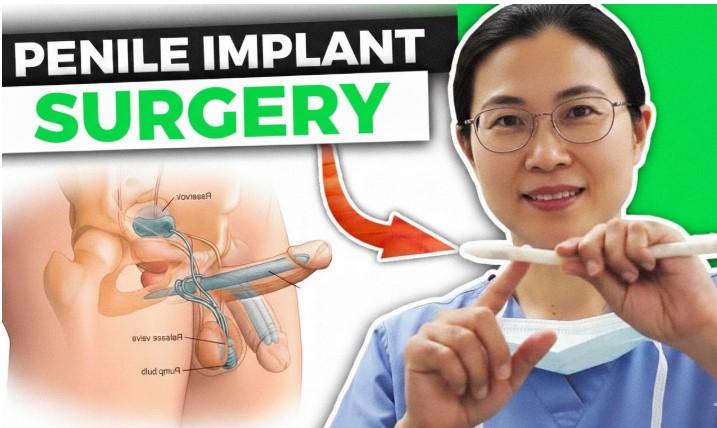
7. Penile Prosthesis Surgery
Penile prosthesis implantation is a surgical treatment option for men with erectile dysfunction who do not achieve satisfactory results with less invasive treatments or prefer a definitive mechanical solution.
There are two main types:
Inflatable Penile Implants: These devices contain inflatable cylinders implanted inside the penis and a pump mechanism that allows the patient to produce an erection when desired.
Malleable Penile Implants: These consist of bendable rods that provide penile rigidity and can be positioned manually.
A penile prosthesis does not repair the venous leak itself. Instead, it provides a mechanical solution for achieving the firmness required for sexual intercourse.
The decision to undergo implant surgery requires careful consultation with an experienced urologist.
8. Venous Embolization
Venous embolization is an interventional radiology procedure that attempts to block selected abnormal veins responsible for excessive venous drainage.
A specialist accesses the vascular system using a catheter and introduces materials designed to close targeted veins.
This approach has been investigated as a potential treatment for selected patients with venogenic erectile dysfunction.
However, the evidence remains limited, and it is not an established routine treatment for all men with venous leak. Appropriate patient selection and specialist assessment are essential.
9. Venous Ligation Surgery
Venous ligation surgery was historically performed to block or tie off veins believed to be responsible for abnormal blood drainage.
However, long-term outcomes have generally been disappointing.
The American Urological Association and European Association of Urology do not recommend routine penile venous surgery because of insufficient evidence of durable effectiveness.
Patients should be cautious about clinics or providers promising a permanent cure through venous ligation without explaining the limitations and evidence.
Can Venous Leak Be Cured Permanently?
Whether venous leak can be permanently corrected depends on its underlying cause and severity.
Some men experience improvement in erectile function through medication, lifestyle modifications, and treatment of associated health conditions.
However, established damage to erectile tissue or its veno-occlusive mechanism may not be completely reversible.
It is also important to distinguish between improving erectile function and permanently repairing the underlying vascular problem.
For example, PDE5 inhibitors and vacuum erection devices may help a patient achieve and maintain an erection without correcting the anatomical cause of venous leak.
Penile prosthesis implantation can provide a reliable mechanical solution for selected patients, but it does not restore the original blood-retention mechanism.
A realistic treatment plan should focus on the patient's health, treatment goals, and expected outcomes.
What Is the Difference Between Venous Leak and Arterial Erectile Dysfunction?
Venous leak and arterial erectile dysfunction are two different types of vascular problems that can interfere with normal erections.
Although both can cause difficulty maintaining an erection, their underlying mechanisms are different.
| Feature | Venous Leak | Arterial Erectile Dysfunction |
|---|---|---|
| Main problem | Difficulty retaining blood | Insufficient blood entering the penis |
| Blood flow | Blood flows out too quickly | Blood supply is reduced |
| Main mechanism | Impaired veno-occlusion | Reduced arterial inflow |
| Common associations | Diabetes, vascular damage, tissue dysfunction | Atherosclerosis, hypertension, smoking |
| Diagnosis | Penile Doppler and selected specialized tests | Penile Doppler and vascular assessment |
| Treatment | ED medications, vacuum devices, injections, implants | ED medications, risk-factor management, selected vascular interventions |
Both conditions can occur together, making proper diagnosis especially important.
Is Venous Leak Common in Young Men?
Venous leak can occur in younger men, although erectile dysfunction in this age group may have several different causes.
Potential contributing factors include:
-
Congenital or anatomical abnormalities.
-
Penile or pelvic injuries.
-
Diabetes and metabolic disorders.
-
Smoking and other vascular risk factors.
-
Neurological conditions.
-
Psychological stress and performance anxiety.
Young men who experience persistent erectile difficulties should not automatically assume that they have venous leak.
A medical assessment can help identify the actual cause and prevent unnecessary treatment.
Can Venous Leak Affect Fertility?
Venous leak does not directly damage sperm production or necessarily affect sperm quality.
However, severe erectile dysfunction can make sexual intercourse difficult or prevent successful intercourse, potentially creating challenges for couples trying to conceive naturally.
Men experiencing both erectile dysfunction and fertility concerns should consult a healthcare professional for appropriate evaluation.
Can Venous Leak Be Prevented?
Not all cases of venous leak can be prevented, particularly those associated with anatomical abnormalities or injuries.
However, maintaining good vascular and metabolic health may reduce the risk of erectile dysfunction and help protect normal erectile function.
Important preventive measures include:
-
Maintain healthy blood pressure.
-
Keep blood glucose levels under control.
-
Avoid smoking and tobacco products.
-
Maintain a healthy body weight.
-
Exercise regularly.
-
Follow a balanced and nutritious diet.
-
Limit excessive alcohol consumption.
-
Seek medical attention for persistent erection difficulties.
-
Manage cardiovascular risk factors.
-
Avoid unverified sexual enhancement products and self-medication.
Early evaluation is particularly important for men with diabetes, hypertension, cardiovascular disease, or a history of pelvic injuries.
When Should You See a Doctor?
Occasional erection difficulties do not necessarily indicate a serious medical problem. However, persistent or recurring erectile dysfunction should be evaluated by a qualified healthcare professional.
You should consider consulting a urologist if:
-
You regularly lose your erection during sexual activity.
-
You cannot maintain sufficient firmness for intercourse.
-
Your erections have become consistently weaker.
-
You experience sudden erectile difficulties after an injury.
-
You have diabetes, hypertension, or cardiovascular disease.
-
You experience penile pain, curvature, or other anatomical changes.
-
Erectile dysfunction is affecting your confidence or relationships.
Sudden penile pain, a significant injury, or an erection lasting four hours or longer requires urgent medical attention.
Early diagnosis can help identify underlying health conditions and ensure appropriate treatment.
Frequently Asked Questions (FAQs) About Venous Leak
1. What is the main cause of venous leak?
Venous leak occurs when the erectile tissues cannot adequately trap blood during an erection. It may be associated with diabetes, vascular dysfunction, smooth muscle abnormalities, pelvic injuries, and other conditions affecting penile tissue.
2. What are the first signs of venous leak?
Common signs include difficulty maintaining an erection, weak erections, and losing firmness during sexual activity. However, these symptoms can also occur with other forms of erectile dysfunction.
3. How is venous leak confirmed?
Penile duplex Doppler ultrasound performed after appropriate medication-induced erection is commonly used to assess penile blood flow and veno-occlusive function. Additional investigations may be considered in selected cases.
4. Can venous leak be treated without surgery?
Yes. Many men can manage erectile dysfunction without surgery through oral medications, vacuum erection devices, penile injection therapy, and lifestyle modifications.
5. Can medication improve venous leak?
PDE5 inhibitors such as sildenafil and tadalafil can improve erectile function in some men. They help increase blood flow but do not directly repair damaged veins or guarantee a permanent cure.
6. Does venous leak cause complete erectile dysfunction?
Not necessarily. Some men can achieve partial erections but struggle to maintain sufficient firmness. Others may experience more severe erectile dysfunction.
7. Can a young man develop venous leak?
Yes. Although erectile dysfunction becomes more common with age, younger men can also develop vascular or veno-occlusive erectile dysfunction, particularly following injuries or in association with certain medical conditions.
8. Is venous leak dangerous?
Venous leak itself is generally not considered a life-threatening condition. However, erectile dysfunction can sometimes indicate underlying cardiovascular or metabolic problems that require medical evaluation.
9. Can exercise improve venous leak?
Regular exercise can improve cardiovascular health, circulation, weight management, and metabolic function. These benefits may improve erectile function, although exercise alone cannot guarantee correction of an established venous leak.
10. Does venous leak affect morning erections?
Some men with vascular erectile dysfunction experience reduced spontaneous or morning erections. However, the presence or absence of morning erections alone cannot confirm or exclude venous leak.
11. Is penile venous surgery effective?
Penile venous ligation surgery has generally shown poor long-term results. Major urological guidelines do not recommend it as a routine treatment for erectile dysfunction.
12. Which doctor treats venous leak?
A urologist or specialist in sexual medicine is generally the most appropriate healthcare professional for evaluating and managing suspected venous leak.
Conclusion
Venous leak is a vascular cause of erectile dysfunction in which the penis cannot retain enough blood to maintain a firm erection. It can be associated with diabetes, hypertension, smoking, cardiovascular disease, penile injuries, and abnormalities affecting erectile tissue.
Common symptoms include weak erections, difficulty maintaining firmness, and loss of erection during sexual activity. However, these symptoms are not sufficient to confirm the condition, making proper medical assessment essential.
Penile Doppler ultrasound is an important diagnostic investigation, while additional specialized tests may be considered in selected patients.
Treatment options include oral erectile dysfunction medications, vacuum erection devices, penile injection therapy, lifestyle modifications, psychological counseling, and penile prosthesis implantation. Venous ligation surgery is generally not recommended because of poor long-term outcomes.
Men experiencing persistent erectile difficulties should seek professional medical advice rather than relying on self-diagnosis or unverified treatments. With an accurate diagnosis and an individualized treatment plan, many men can improve their erectile function, confidence, and overall quality of life.
Medical Disclaimer: This article is intended for educational purposes only and should not replace professional medical advice, diagnosis, or treatment. Always consult a qualified healthcare professional before starting any medication or undergoing a procedure.

 English
 Arabic
 French
 Spanish
 Portuguese
 Deutsch
 Turkish
 Dutch
 Italiano
 Russian
 Portuguese (Brazil)
 Greek
