
Early Warning Signs That You May Need a Blood Sugar Test
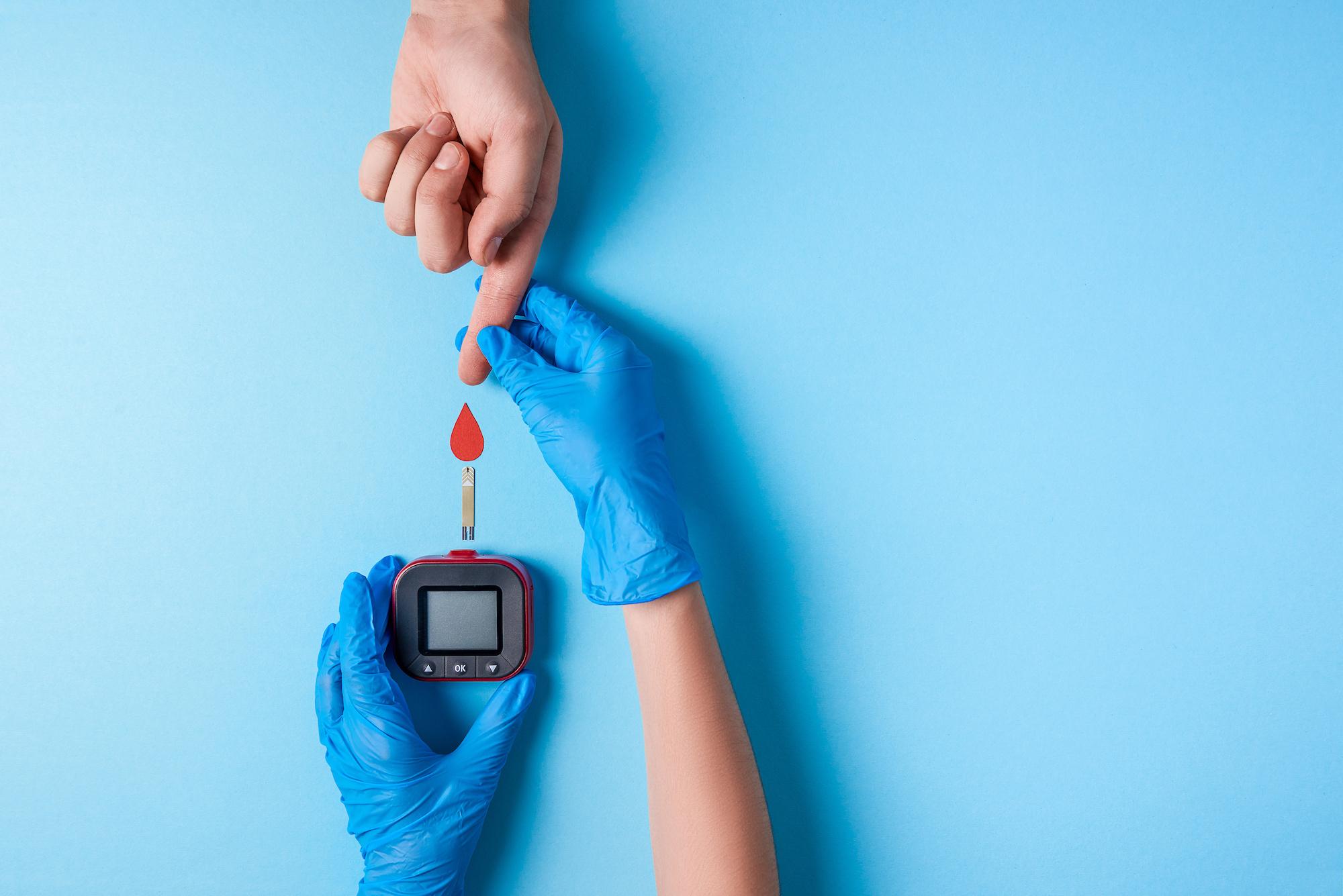
Your body often gives subtle signals when something is not functioning as it should. Feeling unusually thirsty, visiting the bathroom more frequently, experiencing constant fatigue, or noticing changes in your vision may seem like ordinary health complaints. However, when these symptoms occur repeatedly, they could indicate that your blood glucose levels are outside the normal range.
High blood sugar, medically known as hyperglycemia, can develop gradually. Many people experience early changes without realizing that their bodies are struggling to regulate glucose. In some cases, prediabetes and type 2 diabetes may remain unnoticed for months or even years.
A Blood Sugar Test Dubai is a simple way to check whether your glucose levels are healthy or require medical attention. Recognizing the warning signs early can help you seek appropriate testing, receive timely medical advice, and reduce the risk of diabetes-related complications.
This guide explores the most important symptoms that may indicate a need for blood glucose testing, who should consider screening, and what steps to take when something does not feel right.
Why Your Body May Signal That Your Blood Sugar Is Unbalanced?
Glucose is the primary energy source for many cells in your body. After eating, carbohydrates are broken down into glucose, which enters the bloodstream.
The pancreas releases insulin to help glucose move from the blood into your cells. When the body does not produce enough insulin or becomes resistant to its effects, blood glucose levels can rise.
This may lead to prediabetes or diabetes.
The challenge is that elevated blood sugar does not always cause obvious symptoms, particularly during the early stages of type 2 diabetes. Some warning signs may appear gradually and become more noticeable over time.
Recognizing these changes is important because a fasting blood glucose test or HbA1c test can help identify abnormal glucose levels before serious complications develop.
10 Early Warning Signs That You May Need a Blood Sugar Test:
Not every symptom of diabetes means you have high blood sugar. However, experiencing several of the following changes, especially when they persist, is a good reason to discuss glucose testing with a healthcare professional.
1. Constant Thirst Even After Drinking Water
One of the most common early symptoms of high blood sugar is excessive thirst, also called polydipsia.
When glucose levels become elevated, the kidneys work harder to remove excess sugar from the bloodstream. This process can increase water loss through urine, leaving the body dehydrated.
As a result, you may feel thirsty even after drinking enough water.
Pay attention if you frequently experience:
-
An unusually dry mouth.
-
Persistent thirst throughout the day.
-
A constant need to refill your water bottle.
-
Thirst that interrupts your sleep.
If excessive thirst occurs alongside frequent urination, checking your blood glucose levels may be particularly important.
2. Frequent Urination, Especially at Night
Do you find yourself visiting the bathroom more often than usual?
Frequent urination, known medically as polyuria, can occur when the kidneys attempt to remove excess glucose through urine.
As glucose levels rise, the kidneys may allow more sugar to enter the urine. Water follows this glucose, increasing urine production.
This can cause frequent bathroom visits during the day and repeated nighttime urination.
If you suddenly need to urinate much more frequently without an obvious explanation, consider discussing a blood sugar test with your doctor.
3. Unusual Fatigue and Low Energy
Feeling tired after a demanding day is normal. However, persistent exhaustion that does not improve with adequate sleep may deserve attention.
When insulin does not work effectively, glucose may remain in the bloodstream instead of entering cells efficiently. This can interfere with the body's ability to use energy properly.
Dehydration associated with high blood sugar can also contribute to fatigue.
Possible warning signs include:
-
Feeling exhausted shortly after waking up.
-
Experiencing low energy throughout the day.
-
Struggling to concentrate.
-
Feeling unusually weak during routine activities.
Fatigue has many possible causes, including anemia, thyroid problems, and sleep disorders. Blood glucose testing can help determine whether abnormal sugar levels are contributing.
4. Blurred Vision or Sudden Changes in Eyesight
Changes in vision can sometimes be associated with elevated blood glucose.
High blood sugar can affect the fluid balance in the eye, temporarily changing the shape of the lens and making it difficult to focus clearly.
You might notice that:
-
Objects appear blurry.
-
Reading becomes more difficult.
-
Your vision changes throughout the day.
-
You struggle to focus on nearby or distant objects.
These changes should not automatically be attributed to diabetes. Persistent or sudden vision changes require medical assessment. Sudden vision loss or severe eye symptoms need urgent attention.
Long-term uncontrolled diabetes can also damage the small blood vessels in the retina, leading to diabetic retinopathy.
5. Increased Hunger Even After Eating
Feeling hungry shortly after a meal may sometimes be associated with blood glucose regulation problems.
When insulin is insufficient or ineffective, glucose cannot enter cells as efficiently as it should. Despite having elevated blood sugar, your cells may not receive enough usable energy.
This can trigger increased hunger, medically known as polyphagia.
If you regularly feel hungry soon after eating balanced meals, especially alongside excessive thirst and frequent urination, it may be worth checking your glucose levels.
6. Unexplained Weight Loss
Losing weight without changing your diet or exercise routine can be an important warning sign.
When the body cannot use glucose effectively, it may begin breaking down stored fat and muscle for energy.
This can result in unexpected weight loss, particularly in people with undiagnosed type 1 diabetes.
Unexplained weight loss should always be evaluated by a healthcare professional, especially when accompanied by increased thirst, hunger, or urination.
7. Slow-Healing Cuts, Wounds, or Skin Infections
Have you noticed that small cuts take longer than usual to heal?
Persistently elevated blood glucose can interfere with normal wound healing. It may affect circulation, immune system function, and the body's ability to repair damaged tissue.
People with uncontrolled diabetes may also experience recurring skin infections, boils, fungal infections, or urinary tract infections.
If wounds repeatedly heal slowly or infections occur more frequently than usual, a blood glucose test may be appropriate.
8. Tingling or Numbness in Your Hands and Feet
Unusual sensations in the fingers, toes, or feet can sometimes be linked to prolonged high blood sugar.
Over time, uncontrolled diabetes can damage nerves, causing a condition called diabetic neuropathy.
Common symptoms include:
-
Tingling sensations.
-
Burning or prickling feelings.
-
Numbness in the feet.
-
Reduced ability to feel temperature or pain.
These symptoms can also result from vitamin deficiencies, nerve compression, and other medical conditions. Early medical evaluation can help identify the underlying cause.
9. Dark Patches Around the Neck or Underarms
Changes in skin appearance may provide another clue about insulin resistance.
A condition called acanthosis nigricans causes darker, thicker, and sometimes velvety patches of skin, commonly around the neck, armpits, or groin.
It is frequently associated with insulin resistance and may occur in people with prediabetes or type 2 diabetes.
Although these skin changes do not confirm diabetes, they can indicate that glucose metabolism needs further evaluation.
10. Recurring Yeast Infections or Genital Itching
High blood glucose can create conditions that encourage yeast growth, particularly when glucose levels remain elevated.
Some people experience repeated yeast infections, genital itching, or fungal skin infections before receiving a diabetes diagnosis.
If infections keep returning despite appropriate treatment, your healthcare provider may recommend screening for diabetes.
When Should You Get a Blood Sugar Test?
You do not need to experience every diabetes symptom before considering testing.
A blood glucose test may be appropriate if you notice persistent symptoms such as excessive thirst, frequent urination, unexplained fatigue, or unexpected weight changes.
Screening is also important for people with certain risk factors, including:
-
Being overweight or having obesity.
-
Having a parent or sibling with type 2 diabetes.
-
Being physically inactive.
-
Having high blood pressure.
-
Having abnormal cholesterol or triglyceride levels.
-
Having a history of gestational diabetes.
-
Having polycystic ovary syndrome (PCOS).
-
Having previously been diagnosed with prediabetes.
For example, US Preventive Services Task Force recommendations support screening adults aged 35–70 who have overweight or obesity. Other screening recommendations may vary according to age, risk factors, and national healthcare guidelines.
Which Blood Sugar Test Should You Choose?
If you suspect that your glucose levels are abnormal, your healthcare professional may recommend one or more diagnostic tests.
Fasting Plasma Glucose Test: Measures blood glucose after at least eight hours without food or caloric drinks. A result of 126 mg/dL or higher is in the diabetes range.
HbA1c Test: Measures average blood glucose over approximately two to three months. An HbA1c result of 6.5% or higher is in the diabetes range.
Oral Glucose Tolerance Test: Measures how your body responds to a controlled glucose drink. A two-hour result of 200 mg/dL or higher is in the diabetes range for nonpregnant adults.
Random Blood Glucose Test: Measures blood glucose at any time of the day. A result of 200 mg/dL or higher, together with classic diabetes symptoms, can establish a diagnosis.
Unless there is unequivocal hyperglycemia, diabetes generally requires confirmation through a second abnormal test.
What Are the Normal Blood Sugar Levels?
Understanding glucose test results can help you recognize when medical follow-up may be necessary.
For nonpregnant adults, commonly used diagnostic ranges include:
| Test | Normal | Prediabetes | Diabetes |
|---|---|---|---|
| Fasting glucose | 99 mg/dL or below | 100–125 mg/dL | 126 mg/dL or above |
| HbA1c | Below 5.7% | 5.7%–6.4% | 6.5% or above |
| Two-hour OGTT | Below 140 mg/dL | 140–199 mg/dL | 200 mg/dL or above |
These are diagnostic reference values, not personalized treatment targets. Your healthcare provider should interpret the results according to your medical history and individual circumstances.
What Should You Do If You Notice These Warning Signs?
If you recognize several of these symptoms, taking action early is more useful than waiting for them to become severe.
Start by arranging an appointment with a healthcare professional and discussing whether fasting blood glucose or HbA1c testing is appropriate.
You can also support healthy blood sugar regulation through everyday habits:
Choose balanced meals: Include vegetables, whole grains, lean protein, and fiber-rich foods. Limit excessive intake of sugary drinks and highly processed foods.
Stay physically active: Regular walking and other forms of exercise can improve insulin sensitivity.
Maintain a healthy weight: If you have overweight or obesity, gradual and sustainable weight reduction may lower your risk of type 2 diabetes.
Prioritize sleep: Consistent, adequate sleep supports healthy metabolic function.
Attend routine checkups: Follow your healthcare provider's recommendations for diabetes screening and repeat testing.
If you experience vomiting, abdominal pain, rapid or deep breathing, fruity-smelling breath, severe dehydration, or confusion, seek emergency medical care. These symptoms may indicate diabetic ketoacidosis or another serious condition.
Frequently Asked Questions:
Can You Have Diabetes Without Experiencing Symptoms?
Yes. Type 2 diabetes and prediabetes can develop without noticeable symptoms. Some people discover elevated blood glucose during routine health screening.
What Is the First Warning Sign of High Blood Sugar?
Increased thirst and frequent urination are among the most recognizable symptoms. However, early diabetes does not always cause symptoms.
Can Stress Cause High Blood Sugar?
Yes. Stress hormones can temporarily increase blood glucose levels. Persistent stress may also affect sleep, eating habits, and insulin sensitivity.
Is a Blood Sugar Test Enough to Diagnose Diabetes?
A suitable laboratory test can diagnose diabetes when established diagnostic criteria are met. However, an abnormal result generally needs confirmation unless there is clear evidence of hyperglycemia.
How Often Should I Get My Blood Sugar Checked?
Testing frequency depends on your age, medical history, risk factors, and previous results. People with prediabetes may need annual testing, while people with normal results may follow longer screening intervals.
Final Thoughts: Do Not Ignore the Early Signs of High Blood Sugar
Changes such as excessive thirst, frequent urination, persistent fatigue, blurred vision, unexplained weight loss, and slow-healing wounds may indicate that your blood glucose levels need attention.
Although these symptoms can have several possible causes, recognizing them early gives you an opportunity to seek medical advice before complications develop.
A simple fasting blood glucose Lab tests or HbA1c test can provide valuable information about your metabolic health and help identify diabetes or prediabetes.
The most important step is not to diagnose yourself based on symptoms alone. If you notice persistent or unusual changes in your body, speak with a qualified healthcare professional and ask whether blood sugar screening is appropriate.

 English
 Arabic
 French
 Spanish
 Portuguese
 Deutsch
 Turkish
 Dutch
 Italiano
 Russian
 Portuguese (Brazil)
 Greek
