
How to Set Realistic Expectations Before Male Breast Reduction Surgery
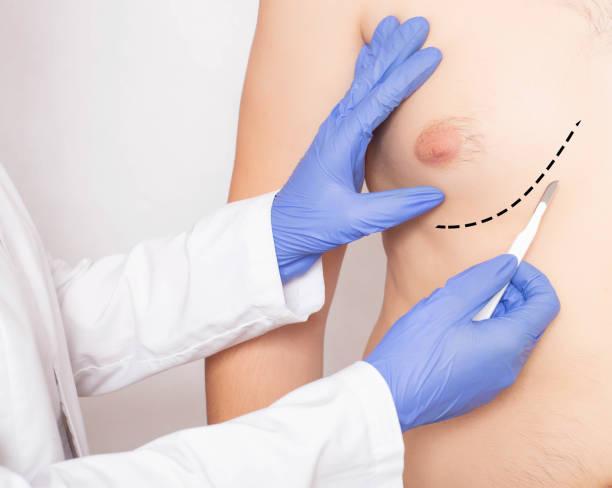
Male breast reduction can help men address enlarged breast tissue and achieve a flatter, more balanced chest appearance. However, understanding what surgery can and cannot accomplish is an important part of preparing for treatment. Every patient has different chest proportions, tissue composition, skin elasticity, and healing characteristics, which can influence the final outcome. Before considering Treatment for gynecomastia in men in Riyadh (تكلفة عملية التثدي عند الرجال), patients should understand the surgical process, possible results, recovery requirements, and potential limitations. Setting realistic expectations helps men make informed decisions and approach the procedure with a clearer understanding of what to expect.
Understand What Male Breast Reduction Can Achieve
Gynecomastia surgery is designed to reduce excess male breast tissue. Depending on the patient's condition, the procedure may involve removing glandular tissue, fatty deposits, or both.
The main objective is to create a flatter chest contour that looks proportionate to the patient's natural body structure. Surgery may also reduce nipple projection and improve the appearance of chest fullness.
However, the procedure is not intended to create a completely different body shape or replace healthy lifestyle habits. The outcome depends on the original chest anatomy, the amount of tissue removed, and the body's response to healing.
Know the Difference Between Glandular Tissue and Chest Fat
Understanding the cause of chest enlargement is essential because different tissue patterns require different treatment approaches.
Glandular Enlargement
Gynecomastia involves the development of enlarged breast glandular tissue, which may feel firm or rubbery beneath the nipple. Liposuction alone may not adequately remove this type of tissue, so surgical excision may be recommended.
Fat-Related Chest Fullness
Some men have chest enlargement caused primarily by excess fat, a condition commonly called pseudogynecomastia. Liposuction may help reduce fatty deposits when clinically appropriate.
Mixed Tissue Enlargement
Many patients have both glandular tissue and excess fat. In these cases, surgeons may combine excision and liposuction to address both components.
A proper examination helps determine which technique may be suitable and what type of improvement is realistic.
Discuss Your Desired Chest Shape With the Surgeon
Patients should communicate their expectations clearly during the consultation. Some men want to reduce noticeable nipple projection, while others are more concerned about overall chest fullness or uneven contours.
The surgeon evaluates the patient's anatomy and explains which changes may be achievable. Factors such as chest muscle development, body proportions, nipple position, and skin quality influence the final appearance.
It is important to understand that surgery can improve chest contours but cannot guarantee perfectly symmetrical results. Natural differences between the two sides of the body may remain after treatment.
Understand the Factors That Influence Surgical Results
Several individual characteristics can affect the outcome of male breast reduction.
Skin Elasticity
Skin elasticity influences how well the chest adjusts after excess tissue is removed. Patients with good elasticity may experience more natural skin retraction, while those with loose skin may require additional surgical considerations.
Amount and Distribution of Tissue
The amount of glandular tissue and fat affects the surgical technique and extent of correction. More extensive enlargement may require a combination of procedures.
Body Weight and Composition
Significant weight fluctuations can affect chest appearance after surgery. Maintaining a relatively stable weight may help preserve more consistent body contours.
Individual Healing Response
Swelling, bruising, scar formation, and tissue recovery vary between patients. The final appearance cannot be judged immediately after the procedure because healing takes time.
Have Realistic Expectations About Scars
Male breast reduction usually involves small incisions, although their location and size depend on the surgical technique. Liposuction generally requires small access points, while glandular tissue removal may involve an incision around the edge of the areola.
Surgeons often place incisions strategically to make scars less noticeable. However, scars do not disappear completely, and their appearance varies according to skin characteristics, incision placement, and healing.
Following wound-care instructions and protecting healing skin from excessive sun exposure can support better scar management.
Understand the Recovery Timeline
Recovery is an important part of the overall treatment experience. Patients commonly experience temporary swelling, bruising, tenderness, and tightness in the chest after surgery.
A compression garment may be recommended to support the treated area and help manage swelling. Patients should follow instructions about medication, wound care, and follow-up appointments.
Returning to Daily Activities
Light activities may be resumed gradually, depending on the patient's recovery. Heavy lifting, strenuous workouts, and chest-focused exercises should be avoided until the surgeon provides clearance.
When Will Results Become Visible?
Some improvement may be noticeable after the initial swelling begins to decrease. However, the chest continues to heal over time, and final contours may take several weeks or months to become clearer.
Patients should avoid judging their outcome too early or comparing their recovery with someone else's experience.
Be Aware of Possible Risks and Limitations
Although gynecomastia surgery can provide meaningful improvement, it is still a surgical procedure with potential risks. These may include:
-
Bleeding or infection.
-
Fluid accumulation beneath the skin.
-
Scarring or changes in nipple sensation.
-
Uneven chest contours or asymmetry.
-
Persistent swelling or discomfort.
-
Need for additional corrective surgery in selected cases.
Results can be long-lasting, but future hormonal changes, certain medications, anabolic steroid use, and significant weight fluctuations may affect chest appearance. Surgery also does not automatically correct an underlying medical condition that may have contributed to breast enlargement.
Prepare for Your Consultation
A detailed consultation allows patients to understand the procedure and determine whether surgery is appropriate. Before the appointment, men can prepare by considering their main concerns and listing any questions they want to discuss.
Useful topics include:
-
Which tissue type is contributing to my chest enlargement?
-
Would I need liposuction, glandular excision, or both?
-
What chest shape is realistic for my anatomy?
-
Will additional skin removal be necessary?
-
What are the possible complications?
-
How long should I avoid exercise and heavy lifting?
-
What postoperative care will I need?
Patients should also disclose their medical history, current medications, supplements, and previous surgical experiences. Newly developed or unexplained breast enlargement should receive medical evaluation before cosmetic treatment is planned.
How to Maintain Realistic Expectations After Surgery
Following Treatment for gynecomastia in men in Riyadh, patients should understand that maintaining their results involves more than the operation itself. Stable weight, balanced nutrition, appropriate physical activity after recovery, and attention to hormonal health can support overall well-being.
Patients should also attend follow-up appointments and seek medical advice if they notice new breast enlargement or unusual changes. Healthy habits may help maintain body composition, but they cannot guarantee that gynecomastia will never return.
Make an Informed Decision About Male Breast Reduction
Setting realistic expectations involves understanding the surgical techniques, individual limitations, recovery process, and possible risks before proceeding. The most suitable approach depends on the patient's tissue composition, chest structure, skin quality, and treatment goals. For personalized guidance about Treatment for gynecomastia in men in Riyadh, consult the specialists at Royal Clinic Saudia (عيادات رويال كلينك) to discuss your concerns, surgical options, expected improvements, and recovery requirements. A detailed consultation can help you make a confident and informed decision about male breast reduction.

 English
 Arabic
 French
 Spanish
 Portuguese
 Deutsch
 Turkish
 Italiano
 Russian
 Romaian
 Portuguese (Brazil)
 Greek
