
Blood Test at Home: What to Expect
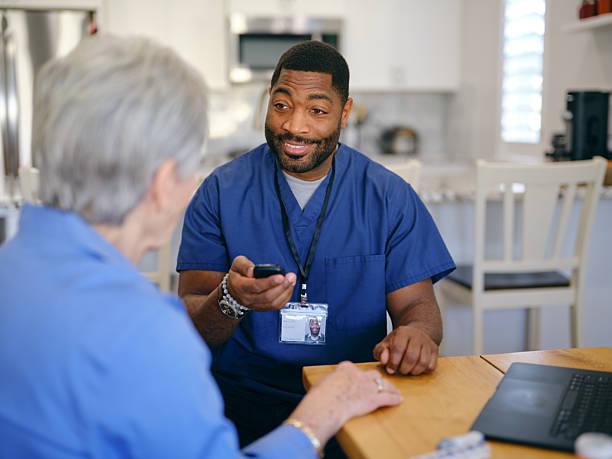
A Blood Test at Home in Dubai allows suitable blood samples to be collected at your preferred location by a trained healthcare professional. Understanding the process beforehand can make the experience more comfortable and help you follow the necessary preparation instructions.
What Happens Before a Home Blood Test?
Before the appointment, you may be informed about the specific investigations being performed and any preparation they require.
Some tests need no special preparation, while others may involve fasting or particular instructions regarding food, drinks, medication, or physical activity.
Why Is Preparation Important?
Following the correct preparation guidance can help ensure that the sample is collected under the conditions required for the requested laboratory investigations.
Check Your Instructions
Review any instructions provided before the appointment and ask the testing provider if something is unclear.
Prepare Your Space
A clean, comfortable area with adequate lighting can make the collection process easier for both the patient and healthcare professional.
Blood test Collection at Home
A Blood test at home is generally performed by a trained healthcare professional using sterile equipment.
The professional prepares the collection area, collects the required sample, and places it into suitable tubes for laboratory processing.
Does Every Test Require Fasting?
No.
Fasting is required only for certain investigations. If your test requires fasting, you should receive clear instructions about the fasting period and whether plain water is allowed.
Can You Drink Water Before Collection?
For some fasting investigations, plain water may be permitted.
However, requirements can differ between tests, so it is important to follow the specific instructions given by your healthcare professional or laboratory.
Should You Take Your Regular Medication?
Medication instructions depend on the test and your individual circumstances.
Do not stop or change prescribed medication unless a qualified healthcare professional specifically advises you to do so.
What Happens During Sample Collection?
The healthcare professional cleans the skin and uses a sterile needle to collect a small amount of blood from a suitable vein.
The sample is placed into the appropriate collection tubes after the required amount has been obtained.
Is the Blood Draw Painful?
Most people experience a brief pinch or mild discomfort when the needle is inserted.
Minor bruising or tenderness can sometimes occur around the collection area afterward.
What If You Are Afraid of Needles?
If you feel anxious about blood collection, let the healthcare professional know before the procedure.
Communicating your concerns can help make the process more comfortable.
Can You Feel Lightheaded?
Some people may experience temporary dizziness or lightheadedness during or after blood collection.
If you have previously felt faint during a blood test, inform the healthcare professional beforehand.
What Happens After Collection?
After the sample is collected, the needle is removed and pressure is applied to the collection site.
A small bandage may be placed over the area before the sample is prepared for laboratory transportation.
How Is the Sample Handled?
The sample is correctly labeled and handled according to the requirements of the requested investigations.
It is then transported for laboratory analysis using the procedures appropriate for the tests.
What Tests Can Be Performed?
The availability of home collection varies between testing providers.
Suitable investigations may include complete blood counts, blood glucose, cholesterol, liver-related tests, kidney-related tests, thyroid investigations, and other laboratory assessments.
Are Specialized Tests Available?
Some specialized investigations have specific collection or handling requirements.
The testing provider can confirm whether a particular investigation is available through home sample collection.
How Long Does Collection Take?
The actual blood draw is generally brief.
The appointment duration can vary depending on the number of tests and samples required.
When Will Results Be Ready?
Result timing depends on the type of laboratory investigations performed.
Routine tests may be processed relatively quickly, while specialized tests can require additional time.
How Will You Receive Your Results?
The method depends on the testing provider.
Results may be delivered electronically or through another communication method available with the service.
How Should Results Be Interpreted?
Laboratory reports commonly include measured values and reference ranges.
A result outside the reference range does not automatically confirm a disease or other health condition. Professional interpretation is important to understand the findings in context.
Can a Home Blood Test Replace a Medical Examination?
No.
Blood testing provides information about selected laboratory markers but does not replace a complete medical assessment.
Further evaluation may be recommended based on symptoms, medical history, or test findings.
Why Is Professional Collection Important?
Proper sample identification, collection, handling, and transportation are essential parts of laboratory testing.
A trained healthcare professional can perform these steps using suitable procedures and equipment.
Making the Home Testing Experience Easier
Knowing what to expect can reduce uncertainty and help you prepare for sample collection. Following testing instructions and communicating any concerns with the healthcare professional can make the appointment smoother.
For anyone considering a Blood Test at Home, professional guidance can help explain the required tests, preparation steps, collection process, and appropriate interpretation of the final results.

 English
 Arabic
 French
 Spanish
 Portuguese
 Deutsch
 Turkish
 Dutch
Dutch
 Italiano
 Russian
 Portuguese (Brazil)
 Greek
Greek
