
How to Identify the Right Treatment for Your Type of Dark Circles
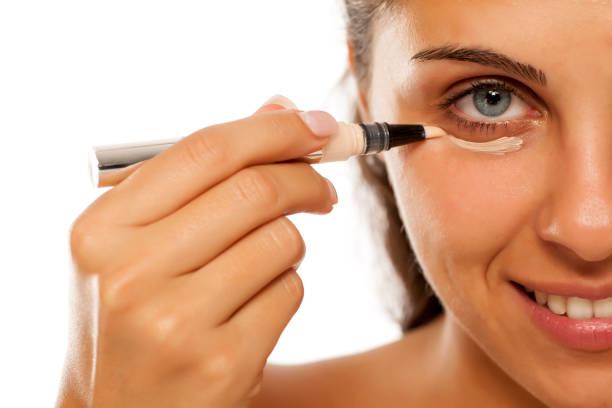
Dark circles can develop for several reasons, including genetics, pigmentation, ageing, allergies, lack of sleep, and changes in facial structure. Although they may look similar, the underlying causes can be very different. This means a treatment that works for one person may not provide the same results for someone else. Identifying the reason behind your under-eye darkness is the first step towards choosing an appropriate solution. If you are considering Dark Circles Treatment in Riyadh, understanding your specific skin concern can help you explore suitable options.
Some people have brown pigmentation around the eyes, while others experience a bluish or purplish appearance caused by visible blood vessels beneath thin skin. Hollowing under the eyes can also create shadows that resemble dark circles. In some cases, several factors contribute at the same time. A personalised assessment can help distinguish between these concerns and guide your choice of Dark Circles Treatment in Riyadh.
Why Is It Important to Identify Your Type of Dark Circles?
Dark circles are not a single skin condition. They are a visible concern that may result from pigmentation, vascular changes, facial anatomy, or lifestyle factors. Choosing a treatment without understanding the cause may lead to disappointing results.
For example, a pigmentation-focused treatment may not correct shadows caused by under-eye hollowness. Similarly, improving sleep habits may help tired-looking eyes but may not significantly change inherited pigmentation. Identifying the main cause helps ensure that the treatment approach addresses the actual concern.
Different Types of Dark Circles and Their Causes
Understanding the common types of dark circles can help you recognise what may be contributing to their appearance.
1. Pigmented Dark Circles
Pigmented dark circles usually appear brown or dark brown. They may be influenced by genetics, sun exposure, inflammation, or frequent rubbing of the eyes.
Possible treatment approaches: A dermatologist may recommend suitable brightening skincare ingredients, sun protection, or selected professional treatments. The right approach depends on the type and depth of pigmentation and the individual's skin tone.
2. Vascular Dark Circles
Vascular dark circles may appear blue, purple, or reddish. They can develop when blood vessels beneath thin under-eye skin become more visible. Genetics, ageing, and skin thickness may contribute to this appearance.
Possible treatment approaches: A practitioner may assess whether improving skin quality or using a carefully selected professional treatment could help. PRP may be discussed in suitable cases, although results vary and it does not address every vascular concern.
3. Structural Dark Circles
Structural dark circles are caused by the natural shape of the eye area. Deep tear troughs, under-eye hollows, or changes in facial volume can create shadows that look like dark pigmentation.
Possible treatment approaches: Under-eye fillers may be considered for carefully selected individuals with volume-related hollowness. They are not suitable for everyone and carry risks, including vascular complications and rare vision-threatening events. Treatment should only be performed by an appropriately qualified and experienced medical professional.
4. Age-Related Dark Circles
As the skin ages, collagen and elasticity gradually decrease. The under-eye area may become thinner, while changes in facial fat and volume can make hollows and shadows more noticeable.
Possible treatment approaches: Depending on the cause, options may include skincare, selected laser procedures, PRP, or other treatments recommended after an assessment. No single procedure addresses every age-related change.
5. Lifestyle-Related Dark Circles
Poor sleep, dehydration, stress, smoking, sun exposure, and allergies can make the under-eye area appear darker or more tired. Eye rubbing caused by irritation may also contribute to pigmentation.
Possible treatment approaches: Improving sleep habits, managing allergies, staying hydrated, avoiding eye rubbing, and using sun protection may help. Persistent darkness may still need professional evaluation.
How to Identify Which Type of Dark Circles You Have
You can observe certain features at home, but appearance alone cannot confirm the exact cause. These signs may help you prepare for a professional consultation.
Observe the Colour
-
Brown or dark brown darkness may suggest pigmentation.
-
Blue or purple tones may be associated with visible blood vessels beneath thin skin.
-
Darkness that becomes more noticeable in certain lighting may be related to hollowness or shadows.
Consider Your Family History
If close family members have similar under-eye darkness, inherited pigmentation, skin thickness, or facial structure may be contributing factors.
Notice When the Darkness Appeared
Dark circles that have been present since childhood or early adulthood may have a genetic component. Those that develop or become more noticeable during periods of poor sleep, allergies, or stress may have lifestyle-related influences.
Look for Changes in Your Daily Routine
Consider whether the darkness becomes more noticeable after inadequate sleep, prolonged sun exposure, or episodes of eye irritation. Changes in appearance can provide useful clues, although they do not establish a diagnosis.
Which Treatments May Be Suitable for Different Types of Dark Circles?
The most appropriate option depends on the underlying cause, skin type, medical history, and treatment goals.
Skincare for Pigmentation
Ingredients such as vitamin C and niacinamide may help improve certain types of uneven pigmentation. Some retinoid products may also be considered, but the delicate eye area requires careful product selection. A dermatologist can recommend an appropriate routine.
Laser Treatments for Selected Concerns
Certain laser treatments may target pigmentation or visible blood vessels. The choice of laser depends on the cause of darkness, skin tone, and risk of post-inflammatory pigmentation. Proper eye protection and professional assessment are essential.
PRP for Skin Quality
Platelet-rich plasma (PRP) is prepared from a sample of the patient's own blood. It may be considered for selected concerns involving skin texture and quality. Evidence for its effectiveness in treating dark circles remains variable, and it may not improve pigmentation or structural hollowness.
Under-Eye Fillers for Hollowness
Dermal fillers may help selected individuals whose dark circles are mainly caused by tear-trough hollowness. They do not directly remove pigmentation and are associated with important risks. A thorough assessment by an experienced medical professional is essential before considering this option.
Lifestyle Changes for Everyday Causes
Consistent sleep, hydration, sun protection, and appropriate allergy management may help improve the appearance of lifestyle-related darkness. These habits can also support the results of a suitable professional skincare plan.
When Should You Seek Professional Advice?
Consider arranging a consultation if your dark circles persist despite changes to your routine, become progressively more noticeable, or are accompanied by swelling, irritation, or other symptoms. Sudden changes, particularly when they affect only one eye or occur with pain or vision problems, should be medically assessed promptly.
A qualified practitioner can review your medical and skincare history, examine the under-eye area, and identify whether pigmentation, visible blood vessels, thin skin, or facial structure is the main concern. This assessment helps determine which options may be appropriate and which treatments are unlikely to help.
How to Prepare for Your Dark Circles Consultation
Before your appointment, consider noting when the darkness started, whether it changes throughout the day, and whether you have a history of allergies or skin irritation. Bring a list of skincare products and medications you use, and mention any previous treatments around the eyes.
You can also discuss your expectations, possible side effects, recovery time, and the number of sessions that may be recommended. Asking these questions helps you make a more informed decision.
Book a Consultation at Royal Clinic Saudia
Choosing the right approach begins with understanding what is causing your under-eye darkness. Royal Clinic Saudia offers personalised aesthetic consultations to discuss your concerns and explore suitable treatment options. Contact the clinic to arrange an appointment and learn which approach may be appropriate for your under-eye area.
FAQs:
How do I know which type of dark circles I have?
The colour, appearance, family history, and changes in your daily routine may provide useful clues. However, a qualified professional can assess the under-eye area and help identify the likely cause.
Which treatment is best for dark circles under the eyes?
There is no universal treatment. Skincare may help selected pigmentation concerns, laser procedures may be considered for certain pigment or vascular issues, PRP may support skin quality in some cases, and fillers may address suitable cases of hollowness.
Can one treatment address all types of dark circles?
No. Different treatments target different causes. A procedure that helps pigmentation may not improve structural shadows, while fillers may address hollowness but not brown pigmentation.
Should I try skincare before professional dark circles treatment?
A gentle skincare routine and daily sun protection can be useful starting points, particularly for mild pigmentation. If darkness persists or its cause is unclear, consult a dermatologist or qualified practitioner before trying stronger products or procedures.

 English
 Arabic
 Spanish
 Portuguese
 Deutsch
 Turkish
 Dutch
 Italiano
 Russian
 Romaian
 Portuguese (Brazil)
 Greek
