
How to Source Wholesale Military Custom Tactical Backpacks Without Compromising on Quality
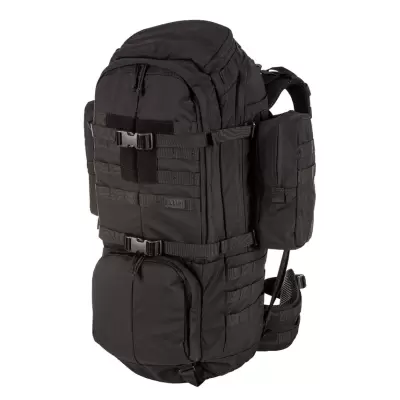
Buying wholesale Military custom tactical backpacks is very different from ordering a handful of packs for personal use. When you commit to bulk quantities, every weakness in a design, fabric, or stitching pattern is multiplied across hundreds or thousands of units. A single quality failure can mean returns, damaged client trust, and lost contracts. The good news is that quality can be protected at every stage of sourcing if you know what to look for and which questions to ask. This guide walks through the process step by step.
1. Define Your Requirements Before You Contact Suppliers:
The most common sourcing mistake is approaching manufacturers without a clear specification. Before you request a single quote, decide who the backpack is for and what it must endure. A 24-hour assault pack for field operations has different needs from a 3-day pack for extended deployments or a low-profile pack for security personnel. Settle on the target capacity, the compartment layout, the hydration compatibility, the weight limit, and whether the pack needs to support MOLLE/PALS attachment.
Document these requirements in a simple specification sheet, ideally with a sketch or reference photos. A written specification gives you a baseline for comparing suppliers fairly, and it protects you later if the delivered product differs from what was agreed. Suppliers who receive vague requests tend to respond with vague quotes, which makes real price and quality comparisons impossible.
2. Insist on High-Performance Materials:
The fabric is the foundation of any tactical backpack. For military-grade durability, most professional manufacturers use high-denier nylon such as 500D or 1000D Cordura-type fabrics, chosen for abrasion resistance and tear strength. Polyester is sometimes used for budget lines, but it generally performs less well under heavy loads and harsh conditions, so it should be a conscious choice rather than a quiet substitution.
Ask for details on the fabric’s denier, coating, and water resistance, including whether a polyurethane or similar coating has been applied to the inside surface. Check the webbing, buckles, zippers, and hook-and-loop panels as well. A rugged outer fabric means little if the zippers split or the plastic buckles crack in cold weather. Reputable suppliers will name the brands of their hardware, such as YKK zippers or Duraflex buckles, and will not hesitate to share component specifications.
3. Examine Construction and Stitching Standards:
Materials only perform as well as the construction allows. Stress points like shoulder strap anchors, haul handles, and base seams should be reinforced with bar-tack stitching or box-X stitching. Look for consistent stitch density, clean thread ends, and bound internal seams that resist fraying. Padding in the back panel and shoulder straps should keep its shape under load rather than flattening quickly.
The best way to judge this is to handle the product yourself. Request a physical sample and inspect it closely: load it with weight, pull on the straps, open and close every zipper repeatedly, and look at the inside as carefully as the outside. Poor workmanship tends to hide in places that are not visible in product photos.
4. Verify the Supplier’s Credentials and Capabilities:
Not every factory that offers wholesale Military custom tactical backpacks has the expertise to deliver them reliably. Look for a manufacturer with a proven record in tactical and military-style products, and ask for references or examples of previous work. A genuine manufacturer should be able to describe its in-house production process, from pattern making and cutting to sewing and final inspection.
Pay attention to certifications and compliance as well. Quality management certifications such as ISO 9001 indicate that the factory follows documented processes. If your buyers require specific camouflage patterns, color standards, or regulatory compliance for certain markets, confirm that the supplier can meet them and can provide supporting documentation. Whenever possible, arrange a video tour or an audit of the facility, or use a third-party inspection service.
5. Make Customization Clear and Documented:
Customization is what separates a generic pack from one that fits your brand or your client’s needs. Typical options include custom colors and camouflage patterns, embroidered or woven logos, rubber or PVC patches, specialized compartments, internal organization panels, and modified sizing. Each of these changes should be captured in a tech pack or detailed drawing so nothing is left to interpretation.
Ask how the supplier handles design changes and whether there are extra costs for tooling, molds, or custom hardware. Also confirm who owns the pattern and design once development is complete, especially if you are investing in an original design. A professional supplier will be comfortable signing a confidentiality agreement and will respect the intellectual property of your designs.
6. Never Skip the Sampling and Pre-Production Approval:
Sampling is your most valuable quality safeguard. Start with a prototype to confirm design, fit, and materials, and request revisions until it matches your specification. Before bulk production begins, require a pre-production sample made from the actual production materials, and approve it in writing. That approved sample becomes the standard against which the entire order will be judged.
Some buyers rush this step to save time, and this is often where costly problems begin. A few extra weeks spent on sampling is far cheaper than discovering a design flaw after thousands of units have been manufactured.
7. Understand Pricing, Minimum Order Quantities, and Lead Times:
Price should be examined alongside quality, not instead of it. A quote that is dramatically lower than competitors usually reflects cheaper fabric, lighter stitching, or inferior hardware, and these shortcuts rarely show up until the product is in use. Ask for a clear breakdown of what the unit price includes, and confirm the minimum order quantity, which often depends on the level of customization.
Be realistic about lead times, too. Custom development, sampling, production, and shipping all take time, and delays are common when peak seasons or material shortages occur. Agree on a production schedule, build in a buffer, and clarify the payment terms. A common approach is a deposit before production and the balance after final inspection and before shipment.
8. Build In Quality Control During and After Production:
Quality control should not end once the sample is approved. Agree on inspection checkpoints during production, such as checks on incoming materials, in-line inspections while the packs are being sewn, and a final random inspection before shipping. Using an internationally recognized sampling standard such as AQL helps define how many defects are acceptable in a batch.
Many buyers use independent inspection companies to carry out these checks, which adds objectivity and a documented report. Put your quality expectations and the remedies for defective goods, such as replacement or credit, into the purchase agreement so that disputes can be resolved quickly.
9. Plan for Packaging, Shipping, and Long-Term Partnership:
Even a perfectly made backpack can arrive damaged if packaging and logistics are overlooked. Specify how the packs will be folded, bagged, and cartoned, and confirm shipping terms, customs documentation, and who is responsible for the goods at each stage. Clear labeling and carton marking will also make receiving and inventory easier on your end.
Finally, think beyond a single order. The most reliable sourcing results come from long-term relationships with suppliers who understand your standards and are willing to improve over time. Start with a manageable first order, evaluate the results honestly, and expand as trust grows.
Conclusion:
Sourcing wholesale Military custom tactical backpacks without compromising on quality is a matter of preparation, verification, and discipline. Define your requirements, demand proven materials and construction, vet the supplier carefully, document every customization, and never skip sampling or quality inspections. Buyers who follow this process protect their margins and their reputations, and they end up with backpacks that stand up to the demanding conditions they were designed for.

 English
 Arabic
 French
 Spanish
 Portuguese
 Deutsch
 Turkish
 Dutch
 Italiano
 Romaian
 Portuguese (Brazil)
 Greek
