
Laser Acne Scar Treatments: Why Improvement Is Gradual, Not Instant
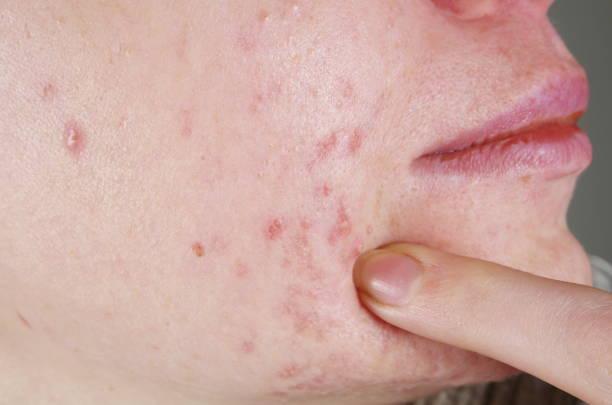
In a world of instant results—same-day delivery, immediate answers, quick fixes—laser acne scar treatments stand apart. They work gradually, unfolding over weeks and months rather than minutes. Laser Acne Scar Treatments in Riyadh This isn't a limitation of the technology; it's a reflection of how skin actually heals and remodels. Understanding why improvement is gradual helps you set realistic expectations, stay committed through the process, and recognize progress when it appears. Patience isn't passive here—it's part of the protocol.
How Collagen Remodeling Works
Laser treatments don't remove scars directly—they stimulate your skin's natural repair processes. The laser creates controlled micro-injuries that trigger collagen production. Fibroblasts—the cells responsible for collagen—migrate to the treated area and begin building new tissue. This process takes time: collagen production peaks weeks after treatment, and new collagen continues maturing for months. The structural changes you see are the result of this biological process, and biology doesn't rush. Gradual improvement reflects genuine healing, not delayed results.
The Difference Between Healing and Remodeling
Healing and remodeling are often confused. Healing—the visible recovery from treatment—happens within days to weeks: redness fades, scabs resolve, skin surface normalizes. Remodeling—the deeper process of collagen reorganization and scar improvement—takes months. You may look "healed" within a week while meaningful scar improvement is still developing beneath the surface. Understanding this distinction prevents the disappointment of judging results by surface appearance alone.
Why Multiple Sessions Are Required
Each laser session stimulates a wave of collagen production, but the effects are cumulative. One session produces modest improvement; multiple sessions build on each other, gradually refining texture and reducing depth. Spacing sessions weeks apart allows collagen to mature between treatments, maximizing each session's contribution. This is why treatment plans typically involve several sessions—not because lasers are weak, but because collagen remodeling is incremental. Patience across sessions produces results no single treatment could achieve.
The Timeline: What Happens When
Immediately after treatment: redness, swelling, and possible peeling—normal healing responses, not results. Weeks two to four: early surface changes, subtle smoothing. Months one to three: visible improvement as collagen matures; scar depth reduces, texture improves. Months three to six: cumulative results from multiple sessions; most patients notice significant changes. This timeline reflects the biology of collagen remodeling—gradual, cumulative, and real.
Why Early Results Can Be Misleading
Early in treatment, results can seem disappointing—or deceptively encouraging. Swelling may temporarily smooth skin, creating an illusion of improvement that fades as swelling resolves. Conversely, redness and irritation may obscure real changes that are developing. This is why objective documentation—photos under consistent lighting—matters more than daily mirror checks. The mirror lies; photographs and measurements tell the truth. Trust the documentation, not the moment.
The Role of Skin Type and Scar Type
Gradual improvement varies by individual factors. Some scar types—rolling and boxcar—respond more readily than icepick scars, which may require more sessions. Skin tone affects treatment intensity and healing. Age influences collagen production capacity. These factors mean your timeline may differ from someone else's—and that's normal. Comparing your progress to others' before-and-after photos ignores the individual variables that shape results. Compare yourself to your baseline, not to strangers.
Why Rushing Can Compromise Results
Aggressive treatment—too much energy, too many sessions too close together—doesn't accelerate results; it risks complications. Over-treating can cause pigmentation changes, prolonged healing, and scarring—undermining the very improvement you're seeking. The gradual approach isn't conservative for its own sake; it's designed to maximize results while minimizing risk. Patience protects your skin and your investment. Trust the protocol rather than pushing for faster outcomes.
Staying Motivated Through the Process
Gradual improvement tests patience. Staying motivated requires perspective: track progress with photos, celebrate small improvements, and remind yourself that biology takes time. Connect with your provider about progress—they can reassure you and adjust the plan if needed. Avoid daily mirror scrutiny, which distorts perception. Focus on the long-term trajectory rather than the day-to-day appearance. Motivation is easier when expectations align with reality.
When to Seek Professional Guidance
If you're concerned about your progress, or if improvement seems stalled, contact your provider. They can assess whether the timeline is normal and whether adjustments are needed. For personalized guidance on laser acne scar treatments and realistic timelines, a consultation with qualified professionals offers clarity and direction.
Final Thoughts: Gradual Is Genuine
Laser acne scar treatments improve skin gradually—not because they're ineffective, but because collagen remodeling takes time. Each session builds on the last; each month reveals more of the change. Understanding this timeline protects you from premature disappointment and helps you stay committed through the process. Gradual improvement isn't a flaw—it's the signature of real, lasting change. Patience isn't waiting—it's part of the treatment.
Book an Appointment Consultation Clinic
For those seeking expert guidance and customized aesthetic care, you can book an appointment consultation at the Enfield Royal Riyadh.
FAQs
Why are laser acne scar results gradual?
Collagen remodeling—the process that improves scars—takes weeks to months; results build cumulatively over time.
How long until I see improvement?
Early surface changes appear within weeks; visible improvement typically emerges over one to three months, with cumulative results over six months.
Can I speed up results with more sessions?
No—over-treating risks complications; spaced sessions allow collagen to mature and maximize each treatment's effect.
Why does skin look worse before it looks better?
Redness, swelling, and peeling are normal healing responses—not final results; judge outcomes after weeks, not days.
How do I stay patient during treatment?
Track progress with photos, celebrate small improvements, and trust the biological timeline rather than daily mirror checks.

 English
 Arabic
 French
 Spanish
 Portuguese
 Deutsch
 Dutch
 Italiano
 Russian
 Romaian
 Portuguese (Brazil)
 Greek
