
How Does Stem Cell Therapy Help With Hair Regrowth?
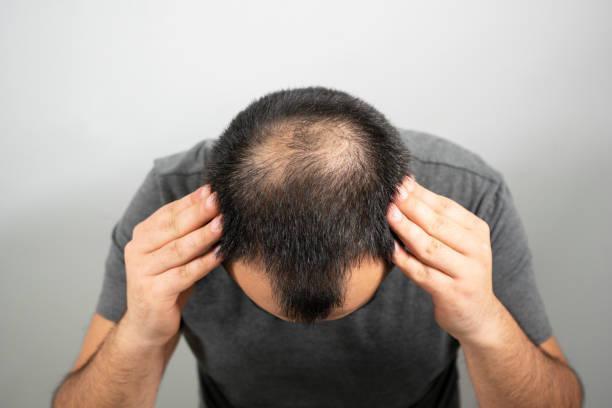
Hair loss can develop gradually or occur suddenly, affecting the appearance, thickness, and overall health of the hair. Advances in regenerative medicine have introduced new approaches that researchers are investigating to support hair follicle activity. One of these approaches is stem cell therapy, which focuses on the biological processes involved in tissue repair and regeneration. As interest in Hair Loss Treatment in Riyadh continues to increase, stem cell-based procedures are attracting attention among people seeking innovative options for thinning hair. Understanding how this therapy works, its potential benefits, and its limitations is important before considering treatment.
Stem cells are special cells with the ability to develop into different cell types and release biological signals that influence surrounding tissues. In hair restoration research, scientists are studying whether stem cells and substances released by them can support the environment around existing hair follicles. The aim of Hair Loss Treatment in Riyadh using regenerative approaches is generally to improve follicle activity and support healthier hair growth. However, these treatments are still being investigated, and their effectiveness and long-term safety have not yet been established for routine hair-loss care.
What Is Stem Cell Therapy for Hair Regrowth?
Stem cell therapy is an emerging regenerative approach that explores the use of cells or cell-derived substances to influence tissue repair and biological activity. In hair restoration research, different sources have been studied, including hair follicles, adipose tissue (body fat), and bone marrow.
Depending on the technique, a treatment may involve preparing cells from a patient's own tissue or using a specially developed cell-based product. Some approaches also investigate conditioned media, which contains substances released by cells, rather than administering the cells themselves. These methods are different from one another and should not be treated as interchangeable.
How Does Stem Cell Therapy Support Hair Growth?
Supports the Hair Follicle Environment
Hair follicles depend on a healthy surrounding environment to maintain their natural growth cycle. Researchers are investigating whether stem cells can release signaling molecules that influence nearby cells and support the conditions needed for follicle function. This may help explain why regenerative treatments are being explored for certain types of thinning hair.
May Influence the Hair Growth Cycle
Each hair follicle moves through growth, transition, and resting phases. Some experimental stem cell approaches aim to influence the biological signals involved in this cycle. Researchers are studying whether these signals may help existing follicles remain active or produce thicker hair strands. However, the extent of this effect in patients is not yet predictable.
May Support Hair Thickness and Density
Early clinical studies have reported improvements in hair count, density, or thickness following certain stem cell-based procedures. These findings are encouraging, particularly in research involving androgenetic alopecia, also known as male or female pattern hair loss. Nevertheless, studies differ in their methods, cell sources, and treatment protocols, so results cannot be guaranteed.
May Help Preserve Existing Follicle Activity
Some regenerative approaches are designed to support follicles that are still present but producing thinner hair. This is different from creating entirely new hair follicles or restoring areas where follicles have been permanently destroyed. The possibility of benefit depends on the underlying condition and the remaining follicular activity.
Which Types of Hair Loss Are Being Studied?
Stem cell-based treatments are being investigated primarily for androgenetic alopecia, a hereditary condition that causes gradual thinning in characteristic areas of the scalp. Researchers are also exploring their potential role in other forms of hair loss, although evidence varies considerably.
Hair shedding caused by nutritional deficiencies, thyroid disorders, illness, stress, medication, or hormonal changes requires a different approach. Scarring alopecia can permanently damage hair follicles and needs specialist assessment. Identifying the cause of hair loss is therefore essential before considering any regenerative procedure.
What Happens During a Stem Cell Hair Treatment?
The process depends on the specific technique being investigated or offered. It generally begins with a medical consultation and scalp assessment to understand the pattern, severity, and possible cause of hair loss.
If a cell-based procedure is being considered, the practitioner should explain where the biological material comes from, how it is processed, and what is administered. Certain approaches involve collecting a small tissue sample, preparing the selected cellular material, and applying it to targeted scalp areas. Other treatments use cell-derived products rather than living stem cells.
Patients should receive clear information about the procedure, expected outcomes, possible complications, and regulatory status before making a decision.
What Are the Potential Benefits of Stem Cell Therapy?
The main attraction of stem cell research is its potential to influence biological processes involved in tissue maintenance and repair. Early findings suggest that certain approaches may improve hair density or thickness in some people with pattern hair loss.
However, these findings do not establish that all stem cell procedures are effective. Different products can have different compositions, and there is currently no universally accepted treatment protocol. Stem cell therapy should be considered an investigational approach rather than a guaranteed or established solution.
Is Stem Cell Therapy Safe for Hair Loss?
Safety depends on the source of the cells, preparation methods, product quality, injection technique, and the patient's health. Possible complications may include pain, swelling, redness, infection, inflammation, or unexpected tissue reactions. The long-term safety of many hair-related cell therapies remains uncertain.
Patients should be cautious about clinics promising guaranteed regrowth or describing experimental procedures as fully proven. They should ask about practitioner qualifications, product sourcing, laboratory standards, clinical evidence, and the relevant regulatory authorization in their country.
How Long Does Hair Regrowth Take?
Hair growth follows a natural cycle, so visible changes cannot be expected immediately. Research studies have assessed outcomes at different intervals, but there is not enough consistent evidence to establish a reliable timeline for stem cell therapy. Follow-up photographs and professional scalp examinations can help monitor changes over time.
The outcome may depend on the type of hair loss, follicle condition, treatment method, and individual response. A practitioner should explain realistic expectations and discuss established alternatives where appropriate.
Explore Hair Restoration Options at Royal Clinic Saudia
Choosing a suitable approach begins with identifying the cause of hair thinning and understanding the available evidence. At Royal Clinic Saudia, individuals can seek a professional consultation to discuss scalp health, hair restoration options, and appropriate treatment plans. A personalized assessment can help determine whether established treatments or emerging regenerative approaches are suitable for their needs.
FAQs:
Can stem cell therapy regrow lost hair?
Some early studies have reported improvements in hair density and thickness, particularly in people with pattern hair loss. However, results are not guaranteed, and further research is needed to establish effectiveness.
Does stem cell therapy create new hair follicles?
Most current approaches aim to support existing follicles and their surrounding environment. They should not be assumed to create entirely new, fully functioning hair follicles in people.
Is stem cell therapy better than PRP for hair loss?
There is not enough high-quality comparative evidence to establish that stem cell therapy is better than platelet-rich plasma (PRP). The two approaches use different biological materials and have different levels of research support.
Is stem cell therapy a permanent solution for hair loss?
A permanent result has not been established. Hair loss may continue depending on its underlying cause, and long-term outcomes of stem cell-based procedures remain uncertain.

 English
 Arabic
 French
 Spanish
 Portuguese
 Deutsch
 Turkish
 Dutch
 Italiano
 Romaian
 Portuguese (Brazil)
 Greek
