
Building Smarter Fleet Operations Through Connected Technology
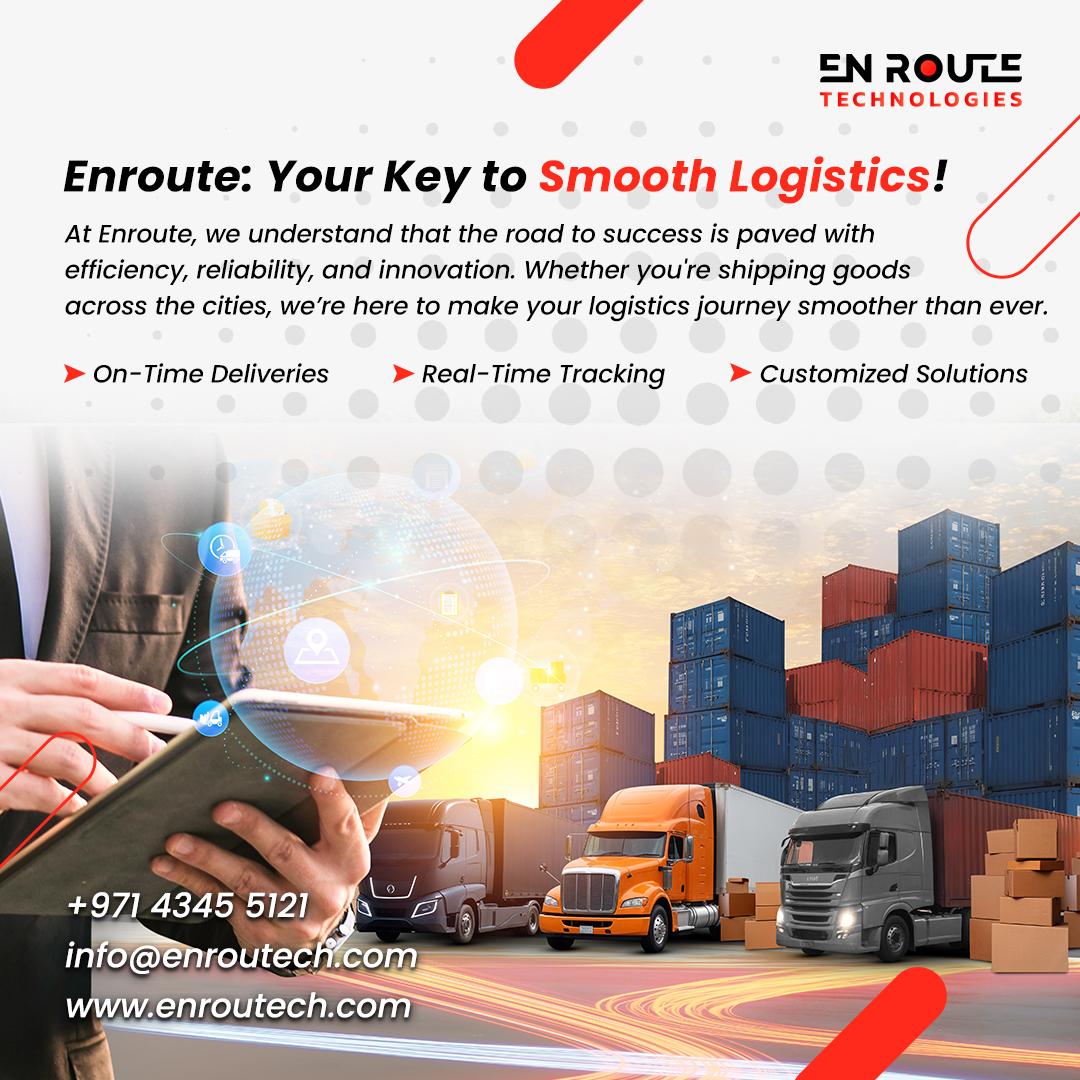
Modern fleet operations require more than vehicles and drivers. Businesses must coordinate daily activities, control operating expenses, protect valuable assets, and maintain consistent service levels. As fleets expand, these responsibilities become increasingly complex. Without reliable information, managers may struggle to identify delays, monitor vehicle performance, or understand where resources are being wasted.
Connected fleet technology helps businesses bring these activities together. By combining real-time information, operational reporting, and data-driven insights, organizations can improve visibility and make better decisions. Whether managing delivery vehicles, commercial transport, service fleets, or heavy equipment, an integrated approach creates a stronger foundation for long-term operational performance.
Improving Fleet Visibility Across Daily Operations
Fleet visibility plays an important role in managing vehicles efficiently. Managers need accurate information about vehicle locations, movement, utilization, and operational status. Without this information, coordinating drivers and responding to unexpected situations can become difficult.
A reliable GPS Tracking System provides location information that helps businesses understand how vehicles are being used throughout the day. Managers can review vehicle movements, monitor routes, and identify unnecessary travel. Consequently, they can make informed decisions about dispatching, scheduling, and route adjustments.
Furthermore, centralized tracking information supports communication between drivers, dispatch teams, and management. When everyone works with clearer operational data, businesses can respond more effectively to changing requirements.
Connecting Fleet Activities Through Centralized Management
Managing a fleet involves several connected responsibilities, including vehicle assignments, driver coordination, maintenance planning, fuel expenses, and operational reporting. When these activities are handled separately, managers may have difficulty understanding overall performance.
A comprehensive Fleet Management System helps organize important fleet activities within a centralized environment. Depending on the platform configuration, businesses can access vehicle information, review operational reports, coordinate maintenance activities, and evaluate fleet performance.
This centralized approach also improves accountability. Managers can identify operational gaps, compare performance across different vehicles, and recognize areas that require attention.
In addition, organized fleet information supports better planning. Businesses can evaluate vehicle availability before assigning new tasks, helping reduce scheduling conflicts and improve resource utilization.
Strengthening Vehicle Control and Driver Coordination
Vehicles are among the most important resources in transportation and service-based businesses. Therefore, organizations need a clear understanding of where their vehicles operate and how effectively they support daily activities.
An effective Vehicle Tracking System gives fleet managers greater visibility into vehicle movements and usage patterns. This information can support route supervision, dispatch coordination, and operational reviews.
For example, managers can examine whether vehicles follow planned routes or spend excessive time at particular locations. They can also use available tracking information to investigate delays and improve future scheduling.
Driver coordination is another important consideration. When managers have access to relevant vehicle activity information, they can communicate more effectively with drivers and address operational issues sooner. As a result, businesses can improve service consistency while maintaining better oversight of their transportation resources.
Choosing the Right Technology for Dubai Businesses
Dubai's business environment includes logistics companies, construction operators, service providers, and organizations managing large commercial fleets. Each industry has different operational requirements. Therefore, selecting suitable tracking technology requires more than comparing basic device features.
Businesses evaluating a Gps Provider in Dubai should consider platform capabilities, hardware compatibility, reporting requirements, scalability, and available technical support.
It is also important to understand how the solution will fit existing business processes. For instance, a delivery company may prioritize route visibility and dispatch coordination, while a construction business may require monitoring for vehicles, machinery, generators, and other equipment.
A suitable solution should support current operational needs while allowing room for future expansion. Additionally, businesses should evaluate whether the technology can accommodate different vehicle categories and asset types within one management environment.
Protecting Equipment and Improving Resource Utilization
Fleet operations often involve more than road vehicles. Businesses may depend on generators, trailers, machinery, containers, compressors, and other valuable equipment. Losing track of these resources can create unnecessary costs and disrupt project schedules.
An Asset Management System helps organizations maintain better oversight of their operational resources. Depending on the configured solution, businesses can organize asset records, monitor equipment locations, review utilization, and maintain relevant operational information.
This visibility is particularly useful for companies operating across multiple sites. Managers can identify where equipment is deployed and determine whether available resources are being used effectively.
Moreover, asset information supports better planning. Before purchasing additional equipment or arranging rentals, businesses can review existing resources and assess their availability. This approach can help reduce unnecessary spending and improve equipment allocation.
Managing Fuel Consumption and Operating Expenses
Fuel is a major operating expense for many transportation and commercial fleets. However, understanding fuel costs requires more than reviewing monthly invoices. Businesses need to evaluate consumption patterns and identify factors that may contribute to unnecessary expenditure.
A properly configured Fuel Monitoring System can provide useful information about fuel usage through compatible monitoring devices and reporting capabilities. Depending on the installation, managers may review consumption trends, investigate unusual changes, and compare fuel performance across vehicles.
For example, unexpected fuel variations may encourage managers to investigate vehicle condition, operating practices, route patterns, or possible discrepancies in fuel records. This helps businesses move beyond assumptions and make decisions based on available information.
Fuel monitoring also supports financial planning. When organizations understand how fuel consumption changes over time, they can evaluate operating costs more accurately and identify opportunities to improve efficiency.
Using Operational Data for Better Business Decisions
Fleet technology becomes more valuable when businesses use collected information to improve everyday decisions. Tracking vehicles, monitoring assets, and reviewing fuel consumption can generate useful operational insights. However, these insights need to be evaluated regularly.
Managers should establish performance indicators that reflect their business objectives. These may include vehicle utilization, fuel consumption, maintenance expenses, route efficiency, vehicle availability, and service completion rates.
Regular reporting helps organizations identify patterns that may otherwise remain unnoticed. For instance, repeated delays on certain routes could indicate scheduling problems, while increasing maintenance expenses may suggest that specific vehicles require closer attention.
Furthermore, comparing performance across reporting periods allows managers to evaluate whether operational changes are producing measurable improvements.
Preparing Fleet Operations for Future Growth
As businesses expand, fleet management requirements become more demanding. Additional vehicles, new operating locations, changing customer expectations, and increasing compliance responsibilities can place pressure on existing processes.
Technology should therefore support both current operations and future business growth. Scalable platforms, compatible tracking hardware, centralized reporting, and flexible configurations can help organizations adapt as their requirements change.
Businesses should also consider the importance of data quality and employee adoption. Managers need reliable information, while drivers and operational teams must understand how technology supports their responsibilities.
Ultimately, successful fleet management depends on combining suitable technology with consistent operational practices. By improving vehicle visibility, coordinating resources, monitoring fuel consumption, and reviewing performance data, organizations can build more efficient and controlled operations.
Conclusion
Connected fleet technology gives businesses a practical way to improve operational visibility and manage resources more effectively. From tracking vehicles and coordinating drivers to monitoring equipment and reviewing fuel consumption, integrated solutions support better control across daily activities.
For organizations operating in competitive industries, the ability to make informed decisions is essential. A structured approach to fleet technology can help reduce operational uncertainty, improve resource utilization, and support sustainable business growth.

 English
 Arabic
 French
 Spanish
 Portuguese
 Deutsch
 Turkish
 Dutch
 Russian
 Romaian
 Portuguese (Brazil)
 Greek
