
What Happens During a Hemoglobin Electrophoresis Test?
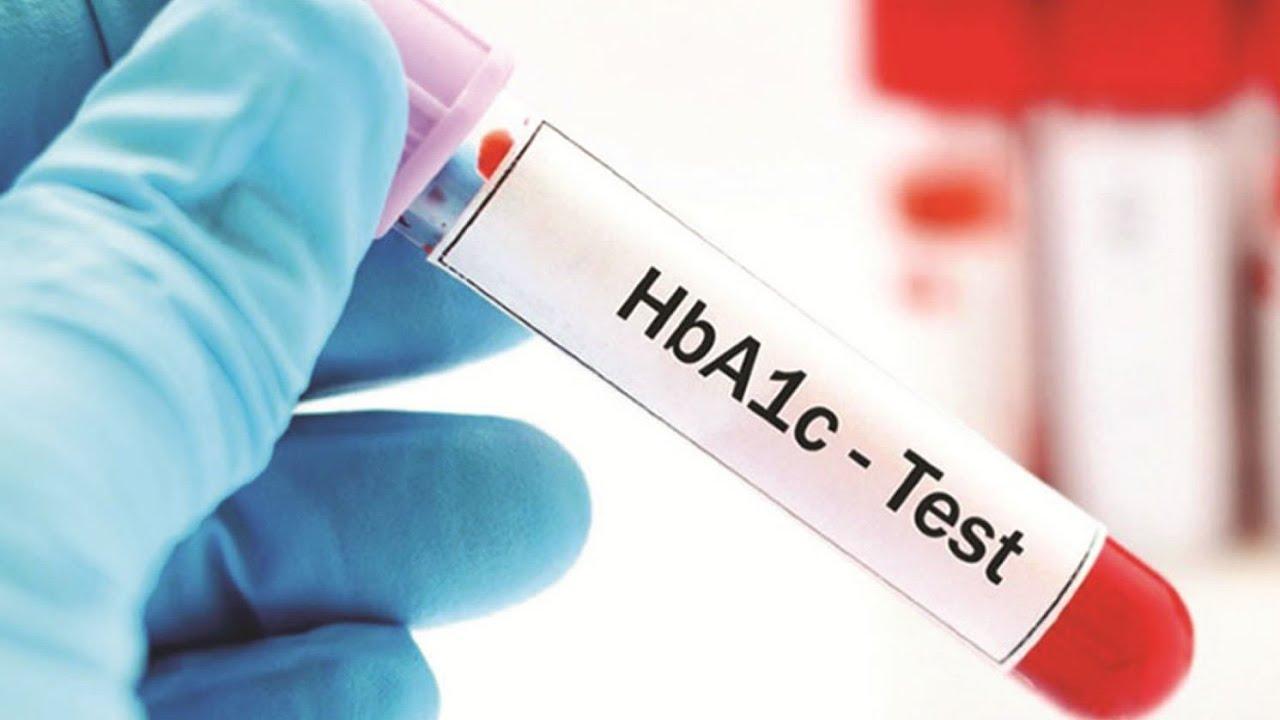
When a doctor recommends a hemoglobin electrophoresis test, it is natural to wonder what happens during the procedure, how the blood sample is examined, and what the results can reveal about your health. Whether the test has been ordered because of unexplained anemia, a family history of inherited blood disorders, or suspected sickle cell disease, understanding the process can make the experience less stressful.
Hemoglobin Electrophoresis Test in Dubai is a specialized blood test that identifies and measures different types of hemoglobin in red blood cells. It helps healthcare professionals detect abnormal hemoglobin variants and diagnose conditions such as sickle cell disease, thalassemia, and other inherited blood disorders.
The procedure itself is relatively simple and usually involves collecting a small blood sample. However, the laboratory analysis involves specialized techniques that separate hemoglobin proteins according to their electrical properties.
Why Do Doctors Recommend a Hemoglobin Electrophoresis Test?
Before understanding the procedure, it helps to know why this diagnostic test is important.
Hemoglobin is an iron-containing protein inside red blood cells. Its primary function is to transport oxygen from the lungs to tissues throughout the body. Different types of hemoglobin have slightly different structures, and some inherited genetic changes can affect how they function.
A hemoglobin electrophoresis test identifies these variations by separating the different hemoglobin types in a blood sample.
Your healthcare provider may recommend this test for several reasons:
-
Suspected sickle cell disease: To identify hemoglobin S and other abnormal hemoglobin combinations.
-
Possible thalassemia: To investigate inherited conditions that affect hemoglobin production.
-
Unexplained anemia: To determine whether an inherited hemoglobin disorder contributes to low hemoglobin levels.
-
Family history: To identify whether you carry an inherited hemoglobin variant.
-
Abnormal complete blood count: To investigate unusual red blood cell size, shape, or other blood count findings.
-
Prenatal screening: To identify inherited hemoglobin conditions that may affect a pregnancy.
The test can also help distinguish between certain carrier conditions and more serious hemoglobin disorders.
What Happens Before the Blood Sample Is Collected?
The first stage of the process involves confirming your identity and reviewing relevant medical information.
In most cases, hemoglobin electrophoresis requires minimal preparation. Fasting is generally unnecessary when this is the only test being performed.
However, the healthcare professional may ask you several questions before collecting your sample.
Review of Medical History
Your doctor or laboratory professional may ask whether you have previously been diagnosed with anemia, sickle cell disease, thalassemia, or another blood disorder.
They may also ask about a family history of inherited hemoglobin conditions.
This information helps laboratory specialists and healthcare providers interpret the findings more accurately.
Discussion of Previous Blood Transfusions
Recent blood transfusions are particularly important to disclose.
Transfused red blood cells contain hemoglobin from a donor. Consequently, the laboratory may detect both your own hemoglobin and donor hemoglobin in the sample.
This can affect the test pattern and make certain inherited conditions more difficult to identify.
Depending on your medical history, your doctor may recommend additional investigations or testing at a later time.
Checking Current Medications
Inform your healthcare provider about prescription medicines, supplements, and recent treatments.
Certain therapies can influence the proportions of different hemoglobin types. Do not stop taking any medication unless your doctor specifically recommends it.
Step-by-Step: What Happens During a Hemoglobin Electrophoresis Test?
The actual blood collection process is similar to other routine blood tests. The specialized work takes place afterward in the laboratory.
<caption>Understanding the procedure from beginning to end</caption>
Step 1: Preparing for Blood Collection
A trained phlebotomist or laboratory professional prepares the equipment and identifies an appropriate vein, usually in the inner part of your elbow.
The selected area is cleaned with an antiseptic solution to reduce the risk of infection.
A tourniquet may be placed around your upper arm to make the vein easier to locate.
Step 2: Collecting the Blood Sample
The healthcare professional gently inserts a sterile needle into the vein and collects blood into an appropriate laboratory tube.
You may feel a brief pinching sensation when the needle enters your skin. The collection generally takes only a few minutes.
Once enough blood has been collected, the needle is removed and pressure is applied to the puncture site.
Step 3: Labeling and Transporting the Sample
The blood sample is labeled with the patient's identification details and the requested test information.
It is then transported to the laboratory for processing.
Proper sample identification and handling are essential because laboratory results must be accurately matched to the correct patient.
Step 4: Preparing the Blood for Analysis
In the laboratory, specialists prepare the sample to examine the hemoglobin contained within red blood cells.
The red blood cells are processed to release their hemoglobin proteins.
The resulting material is then prepared for a specialized separation technique.
Step 5: Separating Different Hemoglobin Types
This is the most important stage of hemoglobin electrophoresis.
The laboratory applies an electrical field to a prepared sample under controlled conditions. Different hemoglobin variants move through the testing medium at different rates because of differences in their electrical properties.
These differences allow laboratory specialists to separate and identify various hemoglobin types.
Depending on the laboratory and testing method, the analysis may use techniques such as:
-
Agarose gel electrophoresis.
-
Capillary electrophoresis.
-
High-performance liquid chromatography (HPLC) as an alternative or complementary method.
Each method helps identify specific hemoglobin fractions and determine their relative proportions.
Step 6: Measuring Hemoglobin Fractions
After separation, the laboratory evaluates the different hemoglobin fractions.
Commonly assessed types include:
-
Hemoglobin A (HbA): The main adult hemoglobin type.
-
Hemoglobin A2 (HbA2): A minor adult hemoglobin fraction that is useful when investigating beta thalassemia.
-
Hemoglobin F (HbF): Fetal hemoglobin, which is naturally higher in newborns.
-
Hemoglobin S (HbS): An abnormal hemoglobin variant associated with sickle cell conditions.
-
Hemoglobin C (HbC): Another variant that may be associated with inherited hemoglobin disorders.
The laboratory records the detected fractions and their percentages when appropriate.
Step 7: Preparing the Laboratory Report
After completing the analysis, the laboratory prepares a report showing the hemoglobin types identified and their relative proportions.
The report may also include an interpretation suggesting whether the pattern is normal or consistent with a particular hemoglobin variant.
Your healthcare provider reviews the findings and determines whether further investigations are necessary.
What Can a Hemoglobin Electrophoresis Test Detect?
One of the main advantages of this diagnostic procedure is its ability to identify inherited differences in hemoglobin structure.
Different hemoglobin patterns can provide important clues about a person's blood health.
Sickle Cell Disease and Sickle Cell Trait
The test can detect hemoglobin S and help identify patterns associated with sickle cell disease and sickle cell trait.
Sickle cell disease occurs when a person inherits specific combinations of abnormal hemoglobin genes. Sickle cell trait generally means that a person carries one sickle hemoglobin gene and one normal hemoglobin gene.
The distinction is important because these conditions have different health implications.
Alpha and Beta Thalassemia
Thalassemia refers to inherited conditions that affect the production of hemoglobin.
Beta thalassemia trait is often associated with increased HbA2 levels, although the interpretation depends on other laboratory findings.
Alpha thalassemia may not produce a clearly diagnostic adult electrophoresis pattern, particularly in some carrier states. Additional testing, including genetic analysis, may be required.
Hemoglobin C and Other Variants
Hemoglobin electrophoresis can also identify hemoglobin C and several other abnormal variants.
Some variants have little clinical significance, while others can cause anemia or other complications, particularly when inherited alongside another abnormal hemoglobin gene.
How Long Does a Hemoglobin Electrophoresis Test Take?
The time required depends on the laboratory, testing method, and whether additional investigations are needed.
| Testing Stage | Approximate Time |
|---|---|
| Blood collection | A few minutes |
| Sample preparation | Depends on laboratory workflow |
| Hemoglobin analysis | Varies by testing method |
| Final reporting | Often a few working days |
These are general expectations rather than guaranteed turnaround times.
Some laboratories may provide results sooner, while specialized testing or confirmatory investigations can take longer.
Is the Hemoglobin Electrophoresis Procedure Painful?
The procedure is generally well tolerated.
Most discomfort comes from the needle insertion during blood collection. Some people experience temporary tenderness, mild bruising, or slight bleeding around the puncture site.
Serious complications are uncommon.
If you feel dizzy during blood collection, inform the healthcare professional immediately. Sitting or lying down can help prevent fainting.
How Are Hemoglobin Electrophoresis Results Interpreted?
Your report may contain several hemoglobin fractions, each expressed as a percentage of the total hemoglobin.
In many healthy adults, HbA is the predominant fraction, while HbA2 and HbF are present in smaller amounts.
However, normal ranges depend on age, laboratory methods, and individual circumstances.
Some common patterns include:
| Test Finding | Possible Interpretation |
|---|---|
| Predominantly HbA | Often consistent with a normal adult pattern |
| Increased HbA2 | May suggest beta thalassemia trait |
| Presence of HbS | May indicate sickle cell trait or a sickle cell disorder |
| Presence of HbC | May indicate a hemoglobin C variant |
| Increased HbF | May occur in newborns and certain inherited or acquired conditions |
An abnormal hemoglobin pattern does not automatically establish a diagnosis.
Doctors may combine the findings with a complete blood count, blood smear, iron studies, family history, and genetic testing to reach an accurate conclusion.
What Should You Do After the Test?
There is generally no special recovery period after hemoglobin electrophoresis.
You can usually return to your normal daily activities immediately after blood collection.
Once your results are available, schedule a discussion with your healthcare provider. Ask what the identified hemoglobin fractions mean and whether additional testing is needed.
If an inherited hemoglobin condition is identified, your doctor may recommend genetic counseling, family screening, or consultation with a hematologist.
For couples planning a pregnancy, understanding carrier status can also help assess the possibility of passing an inherited blood disorder to their children.
Frequently Asked Questions:
Is Hemoglobin Electrophoresis a Routine Blood Test?
It is a specialized blood test rather than a standard component of every routine blood examination. Doctors order it when they need to investigate abnormal hemoglobin types or inherited blood disorders.
Do I Need to Fast Before Hemoglobin Electrophoresis?
No. Fasting is generally not required for hemoglobin electrophoresis alone. However, additional tests performed at the same appointment may have separate preparation requirements.
Can the Test Identify Sickle Cell Trait?
Yes. Hemoglobin electrophoresis can identify hemoglobin S and help distinguish sickle cell trait from several forms of sickle cell disease.
Is Hemoglobin Electrophoresis Safe for Children?
Yes. It is commonly used in children and newborns when investigating inherited hemoglobin conditions. Results must be interpreted according to the child's age because fetal hemoglobin levels are naturally higher during infancy.
Can Hemoglobin Electrophoresis Miss a Blood Disorder?
Yes. Some conditions, particularly certain forms of alpha thalassemia, may not produce a clearly diagnostic electrophoresis pattern. Recent transfusions and other factors can also affect interpretation. Additional testing may be necessary.
Final Thoughts:
A hemoglobin electrophoresis Lab tests is an important diagnostic tool for identifying abnormal hemoglobin types and investigating inherited blood disorders. Although the laboratory analysis involves specialized techniques, the procedure itself is usually straightforward and requires only a small blood sample.
From blood collection and sample preparation to hemoglobin separation and result interpretation, each stage helps healthcare professionals understand the composition of your hemoglobin.
Whether your doctor is investigating unexplained anemia, screening for thalassemia, or checking for sickle cell disease, understanding what happens during the test can help you feel more confident and prepared.
Always discuss your results with a qualified healthcare professional to understand their significance and determine whether additional testing or medical follow-up is necessary.

 English
 Arabic
 French
 Spanish
 Portuguese
 Deutsch
 Turkish
 Dutch
 Italiano
 Russian
 Romaian
 Portuguese (Brazil)
