
Common Sports Injuries and Their Impact on Physical Activity
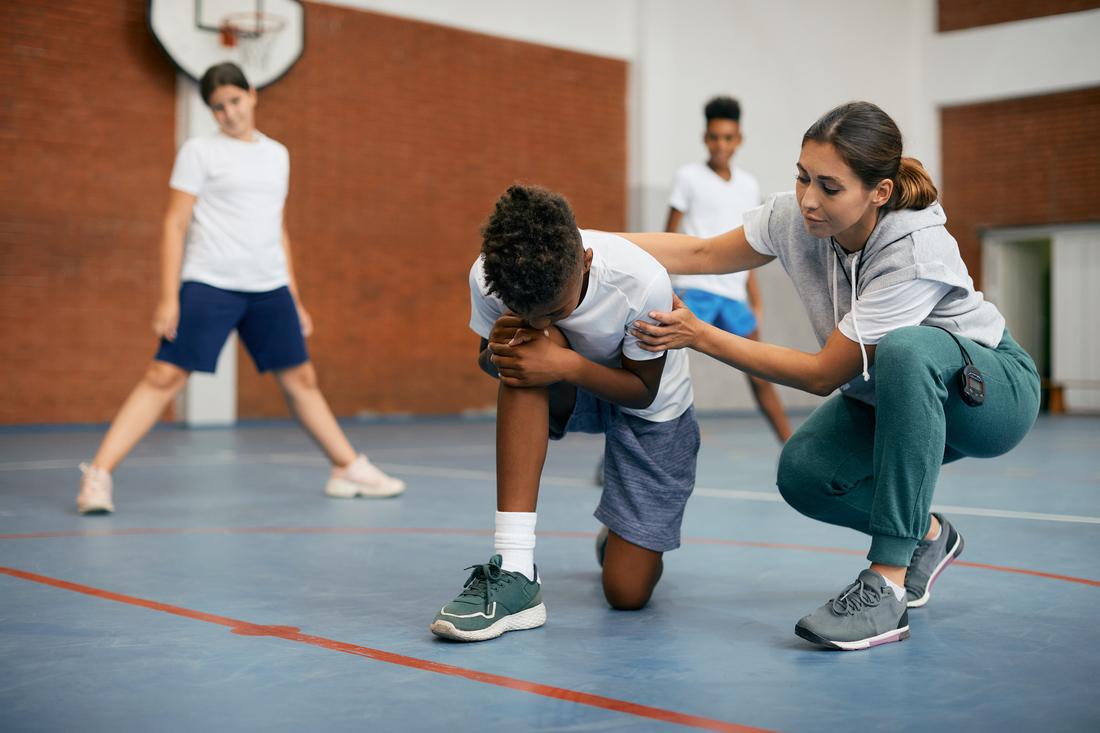
Physical activity brings enormous health benefits. It strengthens the heart, lifts mood, and builds resilience. Yet sport and exercise also carry some risk of injury. Knowing the common injuries helps people prepare and respond. It also shows how injuries can change habits and long-term fitness.
Why Injuries Happen
Injuries occur when stress exceeds the tissue’s capacity. Sudden forces can cause acute damage. Repeated smaller loads can cause overuse problems.
Several factors raise risk. Poor warm-up, fatigue, and weak muscles all contribute. Faulty technique and unsuitable equipment add more. Rapid increases in training volume are a leading cause.
Age, previous injury, and body mechanics also matter. Some people carry a higher baseline risk. Awareness allows better planning and protection.
Common Acute Sports Injuries
Acute injuries happen in a moment. They often involve a clear event, such as a fall or twist.
Ankle Sprains
Ankle sprains are among the most frequent sports injuries. The foot rolls inward, stretching or tearing ligaments. Swelling, bruising, and pain follow.
Basketball, soccer, and trail running often cause them. Early care includes protection and gradual movement. Rehabilitation restores balance and strength. Ignoring rehab raises the chance of repeat sprains.
Muscle Strains
A strain occurs when muscle fibers overstretch or tear. Hamstrings, calves, and groin muscles are common targets. Sprinting and sudden direction changes often trigger them.
Pain may be sharp and immediate. Bruising can appear later. Mild strains heal in weeks. Severe tears may need longer care.
Knee Ligament Injuries
The anterior cruciate ligament is vital for knee stability. Sudden stops, pivots, or awkward landings can tear it. Many athletes hear a pop and feel the knee give way.
These injuries can sideline athletes for many months. Some need surgery, followed by long rehabilitation. Strength and landing training can reduce risk.
Meniscus Tears
The menisci are cartilage cushions in the knee. Twisting under load can tear them. Pain, swelling, and catching sensations may occur.
Some tears heal with conservative care. Others need arthroscopic surgery. Early assessment guides the best path.
Shoulder Dislocations and Sprains
The shoulder is highly mobile but less stable. Falls and collisions can dislocate it. Contact sports and cycling are common settings.
Pain and visible deformity need urgent care. After reduction, rehabilitation rebuilds strength and control. Recurrence is possible without proper training.
Fractures
Bones can break from impact or twisting. Wrist, collarbone, and ankle fractures are common in sport. Pain, swelling, and inability to use the limb are signs.
Medical care ensures correct alignment and healing. Return to sport follows a staged plan. Rushing can lead to re-fracture.
Concussions
Head impacts can cause concussion. Headache, dizziness, confusion, or memory problems may appear. Contact and collision sports carry the highest risk.
Athletes must stop play immediately. Medical clearance is needed before returning. Proper rest and gradual return protect the brain.
Common Overuse Injuries
Overuse injuries develop slowly. They often begin as mild aches.
Tendinopathies
Tendons connect muscle to bone. Repetitive stress can irritate them. Achilles, patellar, and rotator cuff tendons are often affected.
Pain starts mild and may worsen with activity. Rest alone seldom fixes it. Progressive loading exercises usually help.
Shin Splints
Shin splints cause pain along the lower leg. Runners and dancers often feel them after increasing training. Hard surfaces and worn shoes contribute.
Reducing load, improving footwear, and strengthening calves usually help. Persistent pain should be checked for stress fractures.
Stress Fractures
Tiny cracks form in bone from repeated impact. Runners, gymnasts, and military recruits are at risk. Pain builds gradually and persists with weight-bearing.
Rest from impact is essential. Nutrition and bone health are also reviewed. Return to activity must be gradual.
Plantar Fasciitis
The tissue under the foot becomes irritated. Morning heel pain is typical. Runners and people on their feet all day often experience it.
Stretching, supportive footwear, and strengthening are first steps. Early attention prevents long delays.
Runner’s Knee
Pain around or behind the kneecap is common in runners and cyclists. Weak hips, tight muscles, and training errors contribute. Stairs and squatting may hurt.
Strengthening the hips and quadriceps often helps. Adjusting mileage and technique supports recovery.
Tennis and Golfer’s Elbow
Repeated gripping and wrist movement can irritate elbow tendons. Pain appears on the outer or inner elbow. Racquet sports, lifting, and desk work may trigger it.
Activity changes, bracing, and exercises are used. Most cases improve with patience and proper loading.
How Injuries Affect Physical Activity
Injury changes more than the injured part. It disrupts routines, fitness, and confidence.
Loss of Fitness
Time away from training reduces cardiovascular fitness and muscle strength. Decline can begin within two weeks. Athletes often feel frustrated by this drop.
Cross-training can help. Swimming, cycling, or upper body work may be possible. A clinician can suggest safe options.
Changes in Daily Life
Injury may limit walking, driving, or work tasks. Sleep can suffer from pain. Simple activities may need adjustment.
Families and employers may need to adapt. Clear communication helps. Short-term support makes recovery easier.
Emotional and Mental Effects
Athletes may feel sadness, anger, or anxiety. Identity can be tied to sport. Being sidelined can feel isolating.
Staying connected with teammates helps. Setting small goals restores purpose. Counseling can support those who struggle.
Fear of Re-Injury
After recovery, some people avoid movements that hurt before. This fear can limit performance. Gradual exposure builds confidence.
Rehabilitation includes sport-specific drills. Success in these steps rebuilds trust in the body. Support from professionals aids the process.
Long-Term Activity Levels
Poorly managed injuries can lead people to quit sport. Chronic pain may reduce overall activity. This affects heart health and weight.
Proper care keeps people active. Many athletes return to full participation. Some even improve after addressing weaknesses found during rehab.
Role of Professional Care
Timely care supports better outcomes. A clinic offering sports injury chiropractic may combine joint care, soft tissue work, and guided exercise as part of a recovery plan. Many athletes also use physical therapists and sports physicians.
Professionals diagnose the injury and identify contributing factors. They design stepwise rehabilitation. They also monitor progress and set return-to-play benchmarks. Their guidance reduces trial and error.
Preventing Common Sports Injuries
Prevention is the best strategy. Warm up with dynamic movements before activity. Include light cardio and mobility drills. Cool down with stretching afterward.
Build strength in the legs, hips, core, and shoulders. Balanced strength protects joints. Practice landing, cutting, and lifting technique. Seek coaching when needed.
Increase training gradually. Plan rest days and easy weeks. Sleep well and eat for recovery. Use proper footwear and protective gear.
Listen to your body. Early discomfort is a signal. Adjust before it becomes a problem. Consistent habits keep you in the game.
Returning to Activity Safely
Return should be gradual. Begin with low-intensity sessions. Increase time, then intensity. Watch for pain or swelling afterward.
Meet functional goals before full return. These include pain-free movement, good strength, and sport-specific skills. Clearance from a professional adds safety. Patience pays off.
Conclusion
Sports injuries range from simple sprains to complex tears. They can interrupt fitness, affect mood, and change daily life. Yet most athletes recover well with timely care and smart rehabilitation.
Prevention, early attention, and gradual return are the keys. Understand the common injuries and respect your limits. With the right approach, physical activity can remain a lifelong source of strength and joy.

 English
 Arabic
 French
 Spanish
 Portuguese
 Deutsch
 Turkish
 Dutch
 Italiano
 Russian
 Romaian
 Portuguese (Brazil)
