
How to Prepare for a Medical Consultation About Lipedema
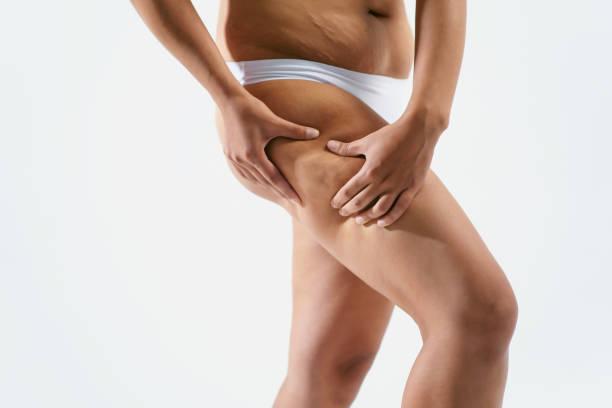
Preparing for a medical consultation about lipedema can help individuals explain their symptoms clearly, understand the assessment process, and make informed decisions about their care. Lipedema may cause disproportionate fat accumulation, tenderness, easy bruising, and heaviness, particularly in the legs. Because these symptoms can overlap with other medical conditions, sharing accurate health information is important. If you are seeking an evaluation for lipedema jeddah, knowing what to prepare before your appointment can make the consultation more productive.
Understand Your Symptoms Before the Appointment
One of the most useful ways to prepare is to observe and document the symptoms you have been experiencing. Lipedema can develop gradually, so individuals may not remember exactly when the first changes appeared.
Consider writing down details about:
-
Fat distribution: Whether enlargement mainly affects the hips, thighs, calves, or arms.
-
Pain and tenderness: Which areas feel sensitive and whether pressure makes the discomfort worse.
-
Swelling: Whether your legs feel heavier or appear more swollen at certain times.
-
Easy bruising: How frequently bruises appear and whether they follow minor impacts.
-
Mobility: Whether symptoms interfere with walking, standing, exercising, or climbing stairs.
These observations can help the specialist understand your concerns and identify patterns that may be relevant to the assessment.
Record When Your Symptoms First Appeared
Knowing when symptoms began can provide useful information during a medical evaluation. Some individuals first notice changes during puberty, pregnancy, or menopause, although the relationship between hormonal changes and lipedema is still being investigated.
Try to remember:
-
When you first noticed unusual fat accumulation.
-
Whether the changes developed gradually or became noticeable over a shorter period.
-
Whether symptoms have changed over time.
-
Whether pain or heaviness has become more frequent.
-
Whether any particular activity seems to worsen discomfort.
If you are unsure about exact dates, approximate timelines are still helpful.
Prepare Your Family Medical History
Lipedema is frequently reported among multiple members of the same family, suggesting that genetic factors may contribute to its development. However, the exact inheritance pattern is not fully understood.
Before your appointment, consider whether close relatives have experienced similar symptoms, such as disproportionate leg enlargement, tenderness, or easy bruising.
You do not need a confirmed diagnosis in another family member to mention a possible pattern. Even observations about similar body shapes or symptoms may help the specialist understand your background.
Gather Relevant Medical Records
Previous medical information can help the specialist review your health history and avoid repeating unnecessary investigations.
Consider bringing:
-
Previous ultrasound or other imaging reports.
-
Relevant blood test results.
-
Medical records related to leg swelling or circulation problems.
-
A list of current medications and supplements.
-
Details of previous treatments or physical therapy.
-
Information about existing medical conditions.
If you have previously consulted another healthcare professional about your symptoms, sharing their findings may also be useful.
Know What Happens During a Lipedema Assessment
Understanding the consultation process can help reduce uncertainty before your appointment. A specialist generally begins by reviewing your medical history and asking about symptoms, family background, and changes in body shape.
Physical Examination
The specialist may examine the affected areas to assess fat distribution, symmetry, skin texture, and tenderness. They may also observe whether the feet are relatively spared, which is a common feature of lipedema.
The examination may include checking for:
-
Disproportionate enlargement of the legs or arms.
-
Areas of sensitivity or painful fatty tissue.
-
Uneven or nodular tissue texture.
-
Easy bruising or visible skin changes.
-
Swelling that may suggest an additional condition.
The findings are considered alongside your symptoms and medical history rather than being used in isolation.
Additional Tests When Needed
Lipedema is generally diagnosed through clinical assessment, and there is no single blood test or genetic test that confirms every case. Depending on your symptoms, the specialist may recommend ultrasound or other investigations to evaluate venous disease, lymphatic dysfunction, or alternative causes of limb enlargement.
Prepare Questions to Ask Your Specialist
A consultation is an opportunity to understand your condition and discuss appropriate next steps. Preparing questions beforehand can help ensure that important concerns are addressed.
Useful questions may include:
-
Are my symptoms consistent with lipedema?
-
Could another condition be causing my leg enlargement or discomfort?
-
Do I need additional tests or imaging?
-
What conservative management options may help?
-
Would compression garments be suitable for my symptoms?
-
Can physical therapy help improve my mobility?
-
When should I return for follow-up evaluation?
-
Are there treatment options for persistent symptoms?
You can also ask the specialist to explain any medical terms or findings that are unclear.
Discuss Your Daily Activities and Lifestyle
Lipedema can affect more than physical appearance. Pain, heaviness, and sensitivity may influence work, exercise, clothing choices, and everyday movement.
Explain how your symptoms affect your routine. For example, you may experience discomfort after standing for long periods, difficulty climbing stairs, or tenderness when wearing tight clothing.
This information can help the specialist understand the practical impact of your condition and recommend management strategies that fit your daily needs.
Understand the Available Management Options
Depending on the assessment findings, the specialist may discuss different approaches to symptom management. These may include:
Compression Therapy
Properly fitted compression garments may help manage heaviness and fluid-related swelling. The appropriate garment and compression level should be selected with professional guidance.
Low-Impact Physical Activity
Walking, swimming, and cycling can support mobility, muscle function, and general health. Exercise should be adapted to individual comfort and physical ability.
Specialized Physical Therapy
A therapist familiar with lipedema may recommend exercises to maintain flexibility, strength, and everyday movement. Manual lymphatic drainage may be considered when additional lymphatic swelling is present.
Surgical Assessment
For selected individuals with persistent symptoms, specialized liposuction may be discussed after a comprehensive evaluation. Surgery is not suitable for everyone and does not guarantee a cure or complete symptom relief.
Understanding Lipedema in Riyadh also means recognizing that treatment recommendations should be based on individual symptoms, overall health, and realistic expectations.
What Should You Wear to Your Appointment?
Choose comfortable clothing that allows the specialist to examine the affected areas when necessary. Clothing that is easy to change can make the physical examination more convenient.
Avoid applying products that may irritate sensitive skin if you have experienced reactions previously. If you use compression garments, bring them or tell the specialist how often you wear them and whether they improve your comfort.
Recognize Symptoms That Require Urgent Attention
A routine lipedema consultation is appropriate for ongoing symptoms such as gradual fat accumulation, tenderness, and heaviness. However, sudden swelling in one leg, redness, warmth, or significant new pain should be assessed urgently.
These symptoms may indicate a blood clot, infection, or another medical problem and should not automatically be attributed to lipedema.
Conclusion
Preparing for a medical consultation involves documenting symptoms, reviewing family history, gathering previous medical records, and preparing questions for the specialist. These steps can help create a clearer picture of your health concerns and support a more informed assessment. Seeking professional guidance about Lipedema in Riyadh can help you understand possible causes of your symptoms and explore suitable management options.
Book a Consultation at Royal Clinic Saudia
If you are experiencing disproportionate fat accumulation, persistent leg tenderness, or unexplained bruising, a professional assessment can help clarify your concerns. Contact Royal Clinic Saudia to discuss your symptoms, prepare for an evaluation, and learn more about available care options for Lipedema in Riyadh.

 English
 Arabic
 French
 Spanish
 Portuguese
 Deutsch
 Turkish
 Italiano
 Russian
 Romaian
 Portuguese (Brazil)
 Greek
