
How Genetic Testing Helps Identify Inherited Health Conditions
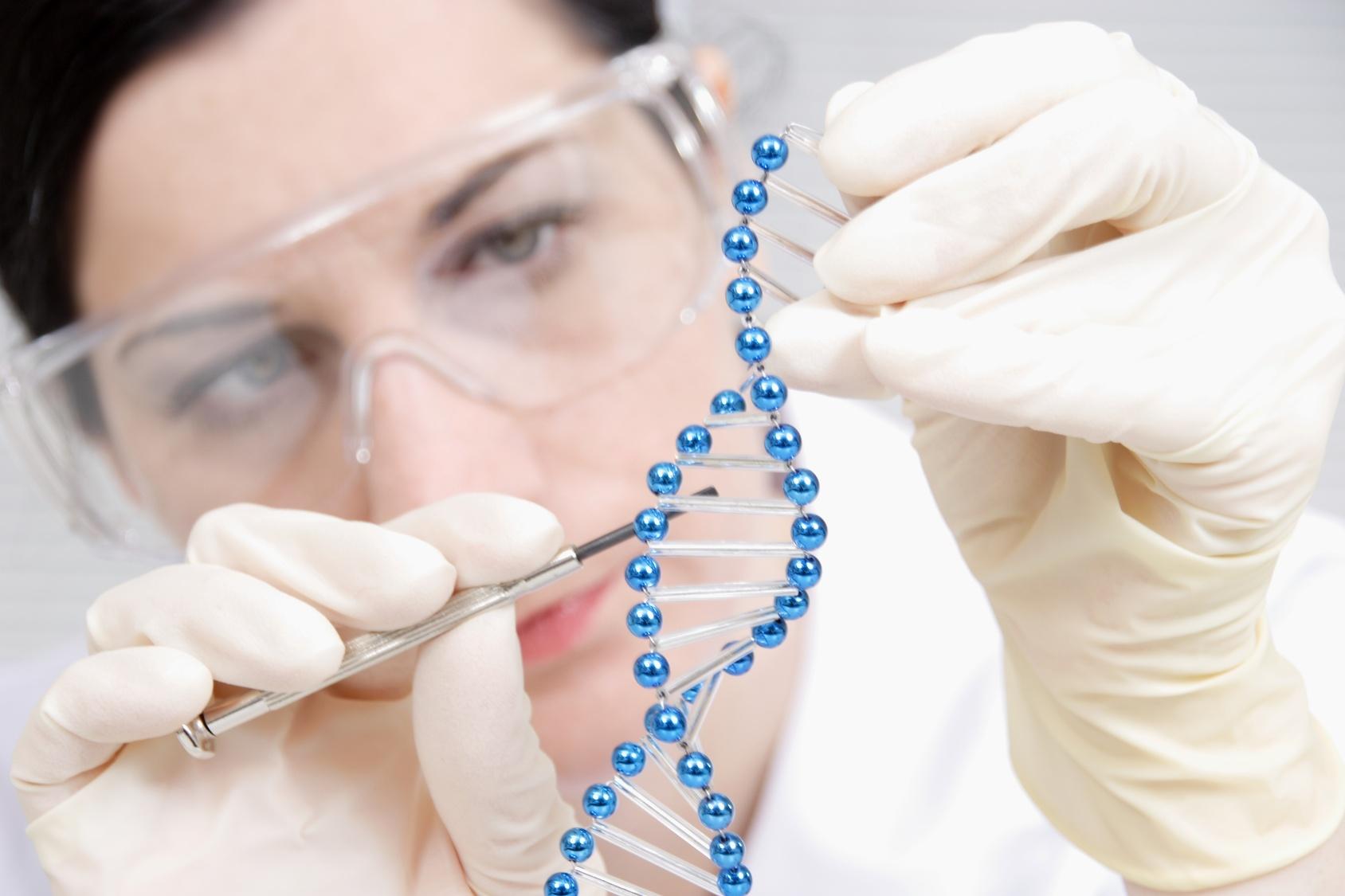
Many health conditions have a genetic connection that may remain hidden for generations. Sometimes, a person develops symptoms without knowing that an inherited genetic variation is responsible. In other cases, several family members experience similar medical problems, suggesting a possible hereditary link. Genetic testing helps investigate these patterns by examining DNA for variations associated with inherited diseases.
Today, Genetic Testing in Dubai is an important tool in modern healthcare. It can help identify the genetic causes of certain disorders, confirm suspected diagnoses, assess inherited health risks, and provide useful information for family planning. It may also help healthcare professionals recommend appropriate monitoring and treatment.
Understanding how genetic testing identifies inherited health conditions can help individuals make informed decisions about their health and their family's medical history.
Understanding the Connection Between Genes and Inherited Diseases:
Genes are sections of DNA that contain instructions for making proteins and regulating important biological processes. These instructions influence how the body grows, develops, and functions.
People inherit genetic material from both biological parents. Sometimes, a genetic variation is passed from one generation to another. While many genetic variations are harmless, certain changes can interfere with normal biological functions and contribute to inherited health conditions.
These disease-associated changes are called pathogenic variants.
Inherited conditions can affect different parts of the body, including the blood, heart, muscles, nervous system, metabolism, and immune system. Some cause symptoms during childhood, while others may not become noticeable until adulthood.
Genetic testing examines DNA, genes, or chromosomes to identify specific changes that may explain a medical condition or indicate an increased inherited risk.
How Genetic Testing Finds the Cause of an Inherited Condition?
Genetic testing follows a scientific process that allows laboratories to examine genetic information and identify variations associated with particular diseases.
Step 1: Reviewing Personal and Family Medical History
The process often begins with a review of the individual's symptoms, medical history, and family health background.
Healthcare professionals may ask whether close relatives have experienced similar conditions, received a diagnosis of an inherited disorder, or developed certain diseases at an unusually young age.
A family history may reveal patterns that suggest a genetic condition. However, the absence of a known family history does not rule out an inherited disorder because some conditions result from new genetic changes or may have gone undiagnosed in previous generations.
Step 2: Choosing the Appropriate Genetic Test
The healthcare professional selects a test based on the suspected condition and the type of genetic variation that needs investigation.
Testing may focus on a single gene, multiple genes, or broader sections of the genome.
For example, a person with symptoms associated with a specific inherited disorder may benefit from targeted genetic testing. When symptoms overlap across several conditions, a multigene panel or broader sequencing approach may be considered.
Step 3: Collecting a DNA Sample
Most genetic tests require a biological sample containing DNA.
Common sample types include:
-
Blood samples
-
Saliva samples
-
Cheek swabs
-
Certain tissue samples
The sample is sent to a qualified laboratory, where specialists extract and prepare the genetic material for analysis.
Step 4: Examining DNA for Genetic Variations
Laboratories use specialized technologies to identify changes in genetic material.
Common methods include DNA sequencing, polymerase chain reaction (PCR), chromosomal microarray analysis, and chromosome testing.
Depending on the test, these methods may identify small changes in DNA sequences, missing or duplicated genetic material, or differences in chromosome number and structure.
Step 5: Interpreting and Reporting the Results
After laboratory analysis, specialists evaluate the identified variants using available scientific evidence.
Results may be classified as pathogenic, likely pathogenic, a variant of uncertain significance, likely benign, or benign.
A healthcare professional then explains whether the findings support a diagnosis, indicate an inherited risk, or require additional investigation.
Which Inherited Health Conditions Can Genetic Testing Identify?
Genetic testing can help diagnose or investigate many inherited disorders. The type of condition that can be identified depends on the genes examined and the testing technology used.
Inherited Blood Disorders
Some blood conditions result from genetic changes that affect hemoglobin or other components of blood cells.
Examples include sickle cell disease and thalassemia. Genetic testing can help identify relevant variants and distinguish between different inherited forms of these conditions.
Carrier screening may also help determine whether individuals carry genetic changes that could be passed to their children.
Genetic Metabolic Disorders
Metabolic disorders can occur when inherited genetic changes affect enzymes or other proteins involved in processing nutrients and producing energy.
Some examples include phenylketonuria and certain inherited metabolic conditions that affect how the body processes fats, proteins, or carbohydrates.
Early diagnosis can be particularly important because some metabolic disorders may be managed through dietary changes, medication, or specialized medical care.
Inherited Heart Conditions
Certain genetic variations can affect the structure or electrical activity of the heart.
Examples include some forms of hypertrophic cardiomyopathy and inherited long QT syndrome.
Genetic testing may help confirm a suspected inherited heart condition and identify relatives who could benefit from clinical evaluation and appropriate monitoring.
Hereditary Cancer Syndromes
Some inherited genetic variations increase the likelihood of developing particular cancers.
For example, certain BRCA1 and BRCA2 variants are associated with increased risks of breast, ovarian, and other cancers.
Genetic testing can help identify people who may benefit from personalized cancer screening or risk-management discussions. However, most cancers are not caused solely by inherited genetic changes.
Neurological and Muscular Disorders
Some inherited conditions affect the brain, nerves, or muscles.
Examples include Huntington's disease, spinal muscular atrophy, and certain inherited muscular dystrophies.
Genetic testing can sometimes identify the specific genetic change responsible for symptoms and help healthcare professionals provide a more precise diagnosis.
The Different Types of Genetic Tests Used to Detect Inherited Conditions:
Not every genetic test examines DNA in the same way. Healthcare professionals select testing methods according to the suspected condition and the genetic information required.
| Genetic test | Main purpose |
|---|---|
| Single-gene testing | Examines one specific gene for relevant variants |
| Multigene panel testing | Examines several genes associated with similar symptoms |
| Whole-exome sequencing | Analyzes most protein-coding regions of DNA |
| Whole-genome sequencing | Examines a broader portion of the person's genetic sequence |
| Chromosomal microarray | Detects certain missing or duplicated chromosome regions |
| Karyotyping | Examines chromosome number and large structural changes |
Each method has different strengths and limitations. For example, whole-exome sequencing may identify variants in protein-coding regions but can miss certain genetic changes outside those regions. The most appropriate test depends on the clinical question.
Five Ways Genetic Testing Benefits Individuals and Families:
Identifying an inherited condition can provide information that supports medical care and family health planning.
1. Providing a More Accurate Diagnosis
Genetic testing may help confirm the underlying cause of symptoms when an inherited disorder is suspected.
A molecular diagnosis can reduce uncertainty and help healthcare professionals distinguish between conditions that have similar symptoms.
2. Supporting Earlier Medical Monitoring
Some inherited conditions develop gradually or do not cause symptoms immediately.
Identifying a disease-associated genetic variant may allow healthcare professionals to recommend monitoring before complications become noticeable.
The appropriate screening strategy depends on the specific condition and available medical guidelines.
3. Helping Guide Treatment Decisions
A genetic diagnosis may influence treatment options, medication choices, or disease-management strategies.
For certain conditions, identifying the underlying genetic change can help determine whether targeted therapies or specialized care approaches may be appropriate.
4. Identifying At-Risk Family Members
When an inherited genetic variant is identified in one person, biological relatives may also be at risk of carrying it.
Targeted testing, sometimes called cascade testing, can help relatives understand whether they share the same variant and whether additional medical evaluation is appropriate.
5. Supporting Informed Family Planning
Carrier screening and other reproductive genetic tests can help individuals and couples understand the likelihood of passing certain inherited conditions to their children.
Genetic counseling can explain inheritance patterns, testing options, and reproductive considerations without pressuring individuals toward a particular decision.
What Happens When Genetic Testing Finds a Disease-Associated Variant?
Receiving a positive genetic test result does not always mean that a person currently has a disease or will definitely develop one in the future.
The meaning depends on the specific condition, the genetic variant, and the individual's clinical situation.
For some inherited disorders, identifying a pathogenic variant can strongly support a diagnosis. For other conditions, the result may indicate an increased risk rather than certainty.
A variant of uncertain significance (VUS) requires particular care. It means that available evidence is insufficient to determine whether the genetic change affects health. It should not automatically be treated as a disease-causing finding.
Healthcare professionals may recommend additional investigations, family testing, or periodic review as scientific knowledge improves.
Important Limitations to Understand Before Genetic Testing:
Although genetic testing can provide valuable information, it cannot identify every inherited condition or predict every future health problem.
Some tests examine only selected genes or variants, meaning other genetic changes may remain undetected. A negative result therefore does not always rule out an inherited disorder.
Results can also be difficult to interpret when scientific evidence is limited. In addition, genetic information may have implications for biological relatives and raise concerns about privacy, emotional well-being, and data protection.
Before testing, individuals should understand what the test can detect, what its limitations are, and how results may influence medical decisions.
When Should You Consider Genetic Testing?
Genetic testing may be worth discussing with a healthcare professional if:
-
You have symptoms suggesting an inherited disorder.
-
Several biological relatives have the same or related medical conditions.
-
A close family member has a confirmed pathogenic genetic variant.
-
You have a family history of certain inherited cancers or heart conditions.
-
You are planning a pregnancy and want to understand carrier status.
-
Your healthcare professional recommends genetic investigation after other medical tests.
A genetic counselor can help assess family history, explain available tests, and discuss the possible outcomes before testing begins.
Frequently Asked Questions:
Can genetic testing identify inherited diseases before symptoms appear?
Yes. Some predictive and presymptomatic genetic tests can identify variants associated with conditions that may develop later. However, the meaning of a positive result depends on the specific condition and variant.
Does everyone with an inherited genetic variant develop the condition?
No. Some genetic variants have incomplete penetrance, meaning not everyone who carries them develops the associated condition. Other factors may influence whether and when symptoms appear.
Can genetic testing determine which parent passed down a condition?
In some situations, genetic testing and family studies can help identify the parental origin of a genetic variant. However, this depends on the condition and the testing approach.
Is genetic testing painful?
Most genetic tests use a blood sample, saliva, or a cheek swab. These methods are generally straightforward. Certain specialized procedures may involve additional medical considerations.
How long does genetic testing take?
Turnaround times vary depending on the laboratory and the complexity of the test. Some targeted tests may take days or weeks, while broader genetic sequencing can take longer.
Conclusion: Understanding Inherited Health Through Genetic Testing
Genetic Lab tests helps identify inherited health conditions by examining DNA for variations that may affect normal biological functions. It can support accurate diagnosis, reveal certain inherited risks, guide medical monitoring, and provide valuable information for family planning.
From inherited blood disorders and metabolic conditions to hereditary cancers and genetic heart diseases, DNA analysis offers healthcare professionals another way to understand the causes of medical conditions.
However, genetic testing is not a complete prediction of future health. Results must be interpreted in the context of personal medical history, family background, and current scientific evidence.
If you suspect an inherited condition or have concerns about your family's health history, consult a qualified healthcare professional or genetic counselor. The right testing approach can help turn genetic information into meaningful knowledge and informed healthcare decisions.

 English
 Arabic
 French
 Spanish
 Portuguese
 Deutsch
 Turkish
 Dutch
 Italiano
 Russian
 Romaian
 Portuguese (Brazil)
