
How to Stop Towels Losing Their Fluff
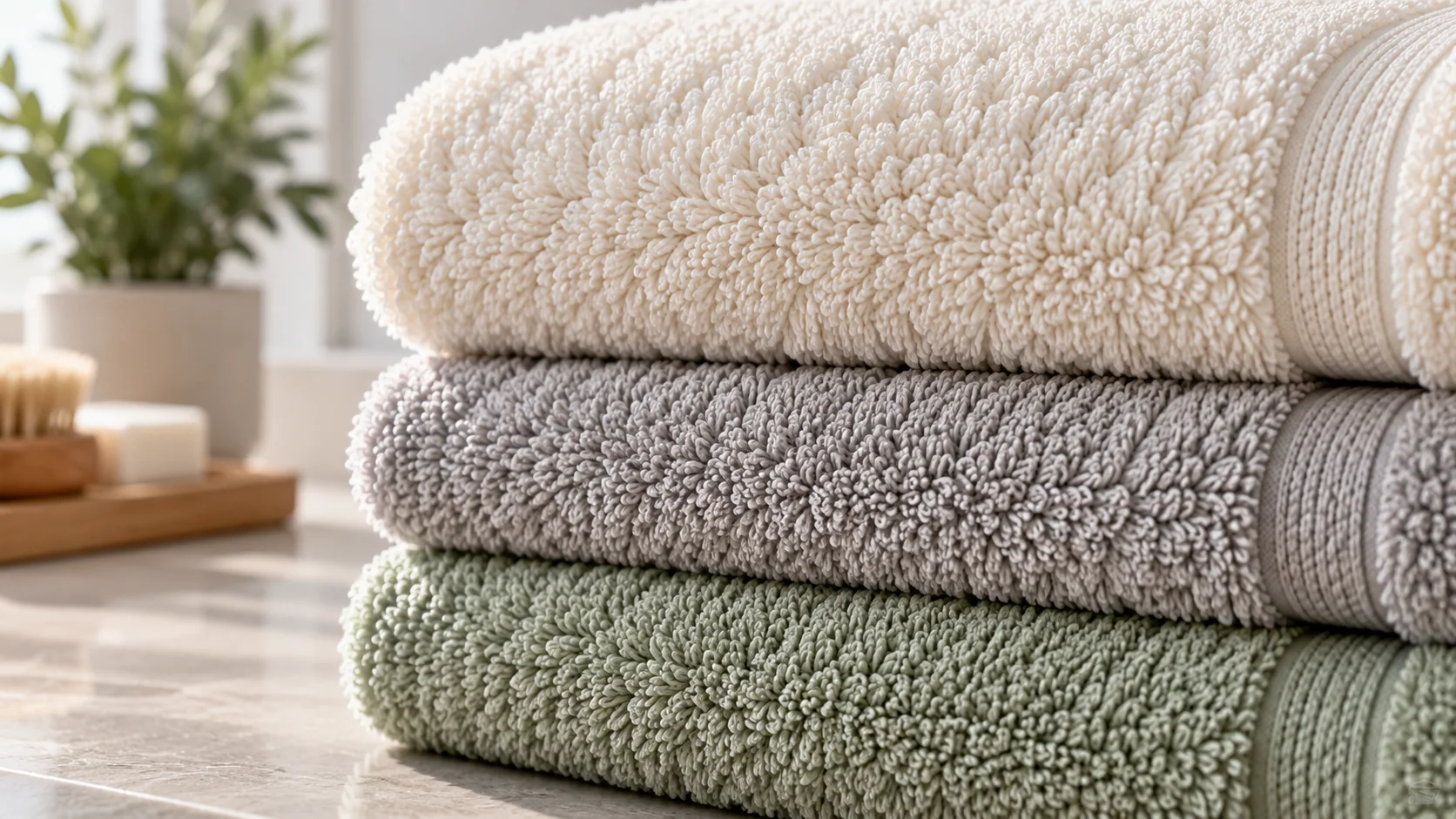
There is nothing quite like wrapping yourself in a soft, fluffy towel after a shower. However, towels do not always stay that way. After repeated washing and drying, they can gradually lose their softness, become flat, feel rough, and lose the thick, comfortable texture they had when new.
This happens because everyday laundry habits can affect the fibres that give towels their fluffy appearance. Using too much detergent, applying fabric softener too frequently, washing towels incorrectly, and exposing them to excessive heat can all contribute to the problem.
The good news is that losing fluffiness does not always mean your towels need replacing. With a few practical changes to your laundry routine, you can protect the fibres, improve their texture, and help them remain comfortable for longer.
Here are some effective ways to stop towels losing their fluff and maintain their softness after every wash.
Why Do Towels Lose Their Fluffiness?
Towels are usually made from absorbent fibres, such as cotton, arranged into small loops that create their soft and thick texture. These loops help towels absorb moisture while providing a comfortable feel against the skin.
Over time, repeated washing, drying, and everyday use can affect these fibres. When the loops become compressed, coated with detergent residue, or damaged by excessive heat, towels may start feeling thinner and less fluffy.
Mineral deposits from hard water can also collect between fibres, making the fabric feel stiff. Similarly, excessive fabric softener can leave a coating that affects absorbency and changes the natural texture.
Understanding these causes is important because the best way to maintain fluffy towels is to prevent unnecessary damage rather than relying on products to restore softness.
Avoid Using Too Much Laundry Detergent
One of the most common reasons towels lose their softness is detergent buildup. Many people believe that using extra detergent will make towels cleaner, but this habit can have the opposite effect.
When too much detergent is added, washing machines may struggle to rinse it completely from thick towel fibres. Leftover detergent can accumulate over multiple washes, making the fabric feel stiff and less comfortable.
To prevent this problem, always measure detergent according to the manufacturer's instructions. Consider your washing machine's load size, water hardness, and the level of dirt on your towels.
If your towels already feel coated or rough, try washing them with an appropriate amount of detergent and using an additional rinse cycle if needed.
These simple Tips To Keep Towels Soft can help remove unnecessary residue and maintain the natural texture of the fabric.
Stop Overusing Fabric Softener
Fabric softener is often marketed as an easy solution for making laundry feel smooth and comfortable. However, using it too frequently can affect towel performance.
Many fabric softeners deposit conditioning ingredients onto fabric fibres. Although this can make some clothing feel softer, repeated use may reduce the absorbency of towels and leave a coating that changes their texture.
Since towels are designed to absorb water, maintaining their absorbency should be a priority.
Instead of adding fabric softener during every wash, consider reducing its use or avoiding it when washing towels. Focus on proper detergent measurements, effective rinsing, and suitable drying techniques.
This approach helps towels retain their natural absorbent qualities while reducing the risk of product buildup.
Give Towels Enough Space in the Washing Machine
Overloading your washing machine can prevent towels from cleaning and rinsing properly. Thick towels need sufficient room to move around during the wash cycle.
When the drum is packed too tightly, water and detergent may not circulate evenly. This can leave dirt and detergent residues trapped inside the fabric.
A crowded washing machine can also increase friction between items, potentially affecting the condition of delicate fibres over repeated cycles.
Try washing towels in smaller loads and avoid mixing them with heavy clothing whenever possible. This allows the washing machine to work more effectively and gives towels enough space to move freely.
It is also worth checking your washing machine's recommended load capacity because towels can become particularly heavy when wet.
Choose the Right Washing Temperature
Washing temperature can influence how well towels maintain their softness. Although hot water can help remove certain types of dirt and oils, using unnecessarily high temperatures for every wash can contribute to fabric wear.
For regular towel laundry, 40°C is often suitable when permitted by the care label. A 60°C cycle may be appropriate for certain towels when additional hygiene is required, but it is not necessary for every load.
Always check the manufacturer's care instructions before choosing a temperature. Different towel materials may require different washing conditions.
Using an appropriate temperature helps clean the fabric without exposing it to unnecessary stress. It can also help maintain the appearance, texture, and durability of your towels over time.
Shake Towels Before Drying Them
A simple habit that can make a noticeable difference is shaking towels before hanging them to dry.
After a washing cycle, towel fibres can become compressed because of the movement and pressure inside the washing machine. If towels are immediately hung without separating the fibres, they may dry in a flatter and stiffer condition.
Give each towel a good shake before placing it on a washing line or drying rack. This helps loosen the loops and allows the fabric to spread out naturally.
Make sure towels are not folded over themselves too tightly while drying. Allowing enough space between them improves airflow and helps moisture escape more evenly.
This technique is particularly useful when air drying towels indoors or during colder months.
Use Your Tumble Dryer Correctly
A tumble dryer can help towels maintain their fluffy texture by allowing the fibres to move during the drying process.
However, using excessive heat or running unnecessarily long drying cycles can damage towel fibres over time.
Check the care label and choose an appropriate low or medium heat setting. Avoid leaving towels in the dryer for longer than necessary because overdrying can make the fabric feel rough.
Remove towels promptly when the cycle finishes and shake them gently to separate the fibres.
If you prefer a combination of air drying and tumble drying, you can allow towels to dry partially on a washing line before briefly finishing them in the dryer, provided the care instructions allow it.
The goal is to dry towels thoroughly without exposing them to unnecessary heat.
Wash Towels Separately From Heavy Clothing
Washing towels alongside jeans, jackets, and other heavy garments can increase friction during the washing cycle.
Different fabrics also have different washing requirements. Heavy clothing may need different temperatures or spin settings compared with towels.
Washing towels separately allows you to choose a cycle that suits their material and thickness.
It also reduces the chance of lint from other fabrics becoming trapped in towel loops. This can help maintain a cleaner appearance and a more comfortable texture.
If you have several towel colours, separating light and dark fabrics can also help prevent unwanted colour transfer.
Deal With Hard Water and Mineral Buildup
Hard water can be another reason towels gradually lose their fluffy feel. It contains minerals such as calcium and magnesium, which can contribute to deposits on fabric during repeated washing.
These deposits may make towel fibres feel stiff and reduce their natural softness.
If you live in a hard water area, consider using a suitable laundry water-softening product alongside your detergent. Follow the product instructions and adjust detergent quantities according to the water hardness recommendations.
For households experiencing significant hard water problems, a properly maintained water softener may provide a longer-term solution.
Avoid assuming that rough towels always need more detergent or fabric softener. Sometimes, mineral buildup is the underlying issue.
Clean Your Washing Machine Regularly
Your washing machine plays an important role in maintaining towel quality. If the appliance contains detergent residue, limescale, or accumulated dirt, these substances may affect the cleanliness of your laundry.
A dirty washing machine can also contribute to unpleasant smells that remain in freshly washed towels.
Clean the detergent drawer, door seal, and drum according to the manufacturer's recommendations. Run a suitable washing machine maintenance cycle regularly and avoid leaving damp laundry inside the appliance for extended periods.
If you live in a hard water area, pay particular attention to limescale maintenance.
Keeping your washing machine clean helps create better conditions for washing and rinsing towels effectively.
Store Towels Properly After Drying
Proper storage is another important part of maintaining fluffy towels. Even freshly washed towels can develop unpleasant smells or lose their comfortable texture if they are stored while damp.
Always make sure towels are completely dry before placing them in a cupboard or linen storage area.
Avoid compressing towels into tightly packed stacks. Excessive pressure can flatten the fabric and reduce its fluffy appearance.
Instead, fold towels neatly and leave enough room for air circulation. Store them in a clean, dry place away from moisture.
If your bathroom is humid, consider keeping spare towels in a separate cupboard rather than leaving them exposed to constant moisture.
Final Thoughts
Towels losing their fluffiness is usually the result of several everyday laundry habits rather than one single problem. Detergent buildup, excessive fabric softener, hard water, overloaded washing machines, and incorrect drying techniques can all affect towel fibres over time.
The best solution is to make small but consistent improvements to your towel care routine. Use the correct amount of detergent, wash towels at suitable temperatures, avoid unnecessary fabric softener, and allow enough space for proper drying.
Following these practical Tips To Keep Towels Soft can help maintain the natural texture, absorbency, and comfort of your towels.
With the right care and attention, you can reduce unnecessary fabric wear and enjoy soft, fluffy towels for much longer without constantly replacing them.

 English
 Arabic
 French
 Spanish
 Portuguese
 Deutsch
 Turkish
 Dutch
 Italiano
 Russian
 Portuguese (Brazil)
 Greek
