
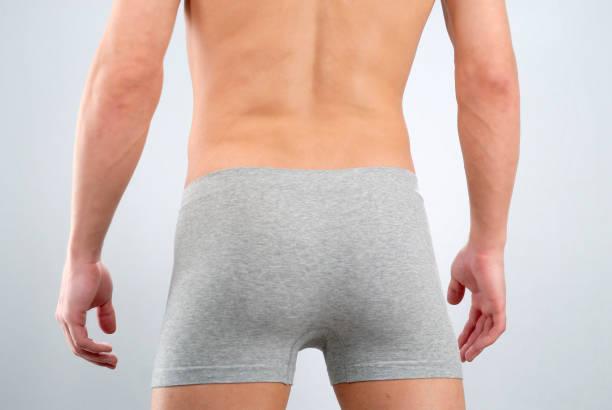
You're eating reasonably well and training consistently, yet the fat around your hips and glutes refuses to budge. Before you blame your genetics or your workout plan, look at two factors most men overlook: sleep and stress. How can men lose butt fat? Both influence hormones that directly affect where your body stores fat and how easily it releases it. This guide explains the science behind the sleep-stress-butt fat connection and gives you practical steps to fix both—so your nutrition and training efforts finally produce the results you expect.
How Cortisol Influences Fat Storage
Cortisol—the body's primary stress hormone—is essential in short bursts, but chronic elevation changes how the body manages energy. Persistent cortisol exposure promotes fat storage, particularly in the midsection, hips, and glutes, while encouraging muscle breakdown. It also increases appetite for high-calorie, sugary foods and reduces insulin sensitivity. When stress becomes a daily baseline rather than an occasional spike, the body behaves as if resources are scarce—holding onto fat and making loss harder. Managing stress isn't a soft recommendation; it's a physiological requirement for fat loss.
Why Poor Sleep Sabotages Fat Loss
Sleep deprivation disrupts two hormones critical to appetite regulation: ghrelin, which stimulates hunger, and leptin, which signals fullness. After short sleep, ghrelin rises and leptin falls—meaning you feel hungrier while feeling less satisfied by what you eat. Sleep loss also elevates cortisol, reduces training performance, impairs recovery, and increases cravings for quick energy. Men who consistently sleep fewer than seven hours often find themselves eating more without realizing it, undermining the calorie deficit their training and nutrition plan depends on.
The Cortisol-Sleep Loop
Stress and poor sleep feed each other in a cycle that's easy to enter and hard to escape. High stress makes falling asleep difficult; poor sleep raises stress sensitivity the next day. Over weeks, this loop entrenches elevated cortisol, disrupted appetite hormones, and declining motivation. Breaking it requires addressing both sides simultaneously—improving sleep hygiene while actively managing stress—rather than fixing one and hoping the other follows. The good news: improvements in either area tend to reinforce the other, creating an upward spiral instead.
Signs Your Sleep and Stress Are Undermining Progress
Watch for these signals:
-
Waking unrested despite adequate hours in bed
-
Cravings for sugar and refined carbohydrates, especially in the evening
-
Increased belly or hip fat despite reasonable eating
-
Declining gym performance and slower recovery
-
Irritability, low motivation, and difficulty concentrating
-
Frequent late-night snacking or stress-eating patterns
If several of these sound familiar, sleep and stress may be the missing variables in your fat-loss plan—not your diet or training.
Practical Sleep Habits That Support Fat Loss
Prioritize seven to nine hours nightly with a consistent schedule—even on weekends. Create a dark, cool, quiet sleeping environment and limit screens for an hour before bed. Avoid caffeine after early afternoon and alcohol close to bedtime, as both disrupt sleep quality even when they don't prevent sleep onset. Keep your bedroom for sleep and rest, not work or scrolling. These habits cost nothing and consistently improve both sleep quality and the hormonal environment that governs fat storage.
Practical Stress Management for Busy Men
You can't eliminate stress, but you can manage your response to it. Daily walking—even ten to fifteen minutes—reduces cortisol and improves mood. Breathing exercises, brief meditation, and stretching provide accessible resets during the day. Regular exercise itself is a stress outlet when programmed sensibly rather than overdone. Protect boundaries around work and screens, and prioritize social connection. These practices aren't luxuries; they're physiological tools that help your body stop storing fat and start releasing it.
The Recovery-Training Balance
More training isn't always better—especially when sleep and stress are compromised. Overtraining elevates cortisol further, impairing recovery and fat loss. Ensure your program includes genuine rest days, and adjust intensity during high-stress periods. Strength training remains essential for preserving glute muscle, but recovery quality determines whether that training builds results or erodes them. Listen to your body: persistent fatigue, stalled performance, and poor sleep are signals to reduce load, not add more.
When to Seek Professional Guidance
If you've addressed sleep and stress consistently but progress remains stalled, or if you suspect hormonal or metabolic factors, professional support can help. A structured assessment can identify obstacles—cortisol patterns, sleep disorders, or dietary gaps—that self-directed plans miss. For men who want expert guidance in building a plan that accounts for recovery and lifestyle factors, a consultation with qualified professionals offers personalized direction rather than generic advice.
Final Thoughts: Fix the Foundation First
Sleep and stress aren't side notes to fat loss—they're foundational. Chronic cortisol elevation and poor sleep quietly undermine even well-designed nutrition and training plans. Prioritize seven to nine hours of sleep, manage stress daily, balance training with recovery, and watch how your appetite, energy, and results shift. Men who fix the foundation often find that losing butt fat becomes easier than they expected—because their body finally has the conditions it needs to cooperate.
Book an Appointment Consultation Clinic
For those seeking expert guidance and customized aesthetic care, you can book an appointment consultation at the Enfield Royal Riyadh.
FAQs
Does stress cause butt fat?
Chronic cortisol elevation promotes fat storage around the hips and glutes while increasing appetite for high-calorie foods.
How does sleep affect fat loss?
Poor sleep raises ghrelin, lowers leptin, and elevates cortisol—increasing hunger and promoting fat retention.
How many hours should men sleep to lose fat?
Seven to nine hours nightly with a consistent schedule supports appetite regulation, recovery, and fat loss.
What's the fastest way to lower cortisol?
Daily walking, breathing exercises, consistent sleep, and stress boundaries all reduce chronic cortisol elevation.
Can poor sleep stall fat loss even with a good diet?
Yes—sleep loss increases cravings and calorie intake while impairing recovery, undermining even well-planned nutrition.

 English
 Arabic
 French
 Spanish
 Portuguese
 Deutsch
 Turkish
 Dutch
 Russian
 Romaian
 Portuguese (Brazil)
 Greek
