
The Rise of Original Abstract Painting in Contemporary Home Interiors
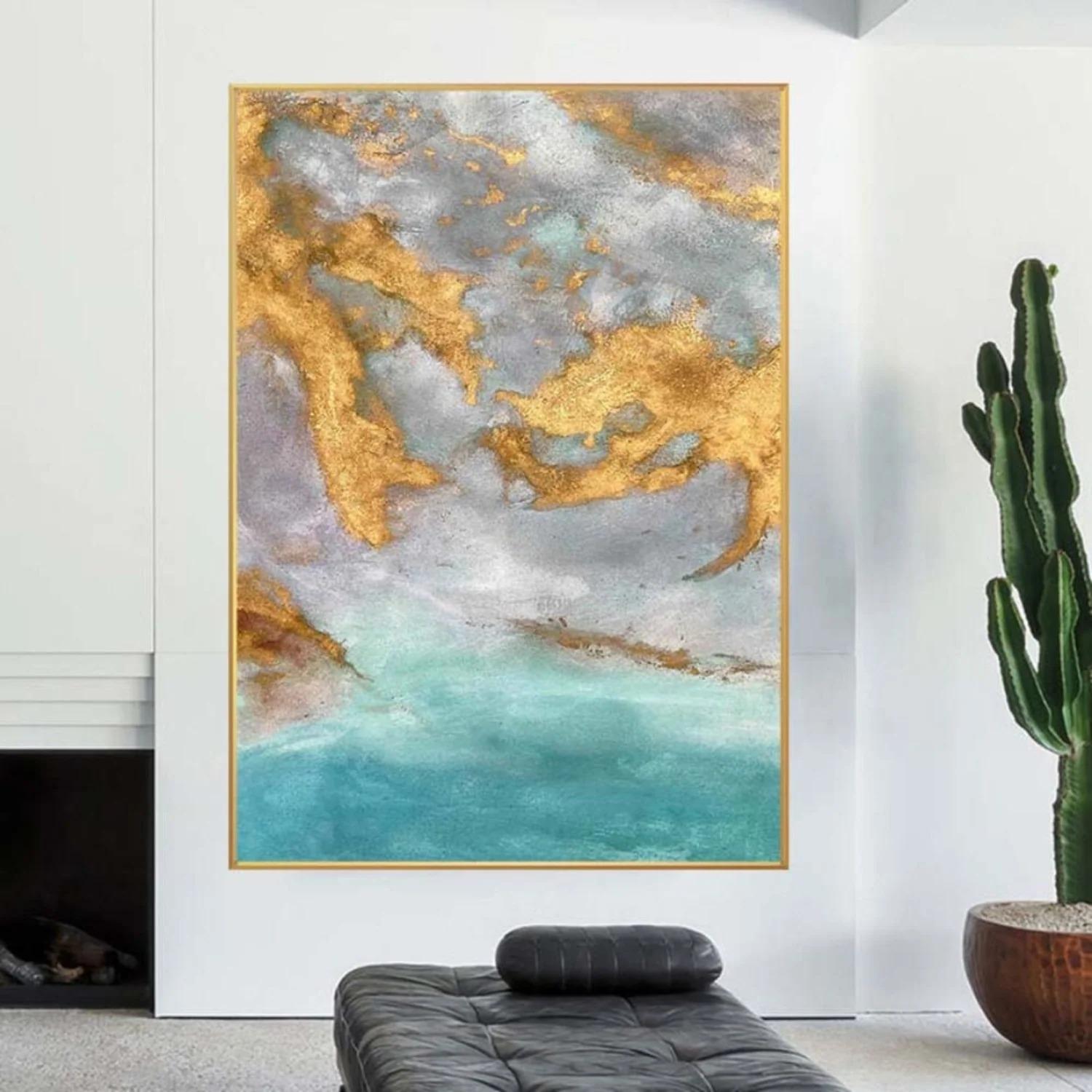
Contemporary interiors are increasingly embracing artwork that reflects personal taste, creativity and individuality. An Original Abstract Painting offers a distinctive way to introduce colour, movement and artistic expression into a home. Rather than depicting recognisable subjects, abstract compositions use shapes, lines, textures and colour combinations to create visual interest. From minimalist London apartments to spacious countryside homes, expressive artwork can complement different interior styles while giving plain walls a stronger visual identity.
Why Expressive Artwork Is Becoming Popular in Modern Homes
Modern interior design often focuses on clean lines, functional furniture and carefully selected decorative details. While neutral colour schemes and simple layouts create a balanced appearance, expressive artwork adds personality without requiring major changes to the room.
Abstract paintings work particularly well because they offer flexibility. A composition featuring muted colours can complement understated interiors, while bold brushstrokes and contrasting shades can introduce energy into a neutral living space.
Another reason homeowners appreciate original artwork is its individuality. Different artists interpret colour, texture and composition in their own ways. This allows buyers to select pieces that reflect their preferences rather than relying entirely on mass-produced wall decorations.
Understanding the Different Styles of Abstract Art
Abstract artwork includes several approaches, each creating a different visual effect.
Geometric abstraction uses structured shapes, straight lines and defined patterns. This style complements contemporary interiors with minimalist furniture and symmetrical layouts.
Colour field painting focuses on larger areas of colour with subtle transitions or strong contrasts. These compositions can work particularly well in rooms where the furniture and decorative accessories have relatively simple designs.
Textured abstract artwork uses layered paint, palette knife applications and mixed-media techniques to create surface variations. Such pieces can add depth and interest to walls, particularly when natural daylight highlights their raised details.
Expressionist compositions often feature energetic brushstrokes, irregular forms and contrasting colours. They can become statement pieces in living rooms, dining areas and larger open-plan spaces.
How to Choose Artwork for Your Interior
Selecting artwork involves considering more than its appearance. The painting should relate to the room's proportions, colour palette and existing furniture.
Start by examining the available wall space. A large canvas can provide a focal point above a sofa or sideboard, while smaller paintings may suit narrow hallways or compact bedrooms. Avoid choosing artwork that appears disproportionately small against a large empty wall.
Colour coordination also matters. If your interior features cream walls, oak furniture and neutral upholstery, consider artwork with earthy browns, soft greens or warm beige. For rooms with darker furniture, contrasting shades such as ivory, ochre or muted blue can create visual balance.
Consider the painting's composition too. Horizontal artwork can complement wide furniture, while vertical pieces can work well in narrow spaces or beside architectural features.
Styling Abstract Paintings in Different Rooms
The living room is one of the most suitable places for expressive artwork. Positioning a painting above the main sofa creates a natural focal point. Choose a composition that complements the furniture without overwhelming the surrounding décor.
In dining rooms, abstract paintings can introduce colour and visual interest. Artwork featuring warm tones, organic shapes or textured surfaces can complement wooden dining tables and contemporary lighting.
Bedrooms benefit from more restrained compositions. Soft colour transitions, balanced shapes and subtle textures can support a calm interior design.
For hallways, consider artwork that makes effective use of limited wall space. A carefully selected canvas can give an entrance area a more finished appearance.
Combining Abstract Art with Contemporary Furniture
The relationship between artwork and furniture influences the overall appearance of an interior. Natural materials such as oak, walnut, linen and stone can complement expressive paintings by providing a visual contrast to their colours and textures.
For example, a textured abstract canvas can sit comfortably above a wooden sideboard. Similarly, a bold composition can introduce contrast into a room furnished with neutral sofas and simple coffee tables.
My Italian Living provides inspiration for contemporary Italian furniture and interior styling, where carefully selected furniture and decorative artwork contribute to a coordinated living space.
When arranging artwork, consider lighting conditions. Natural daylight can reveal surface details, while picture lights can improve visibility during the evening. Avoid prolonged direct sunlight to help protect pigments from fading.
Making Expressive Artwork Part of Your Home
Artwork plays an important role in giving contemporary interiors a distinctive identity. Through colour, texture, composition and artistic technique, abstract paintings can complement furniture, create focal points and introduce personal expression into everyday spaces. Choosing an Original Abstract Painting allows you to bring individual artistic character into your home while maintaining harmony with your existing décor. By considering scale, colour and placement, you can select artwork that remains visually relevant as your interior style develops.

 English
 Arabic
 French
 Spanish
 Portuguese
 Deutsch
 Turkish
 Italiano
 Russian
 Romaian
 Portuguese (Brazil)
 Greek
