
Simple Home Decor Ideas to Create a Stylish and Comfortable Living Space
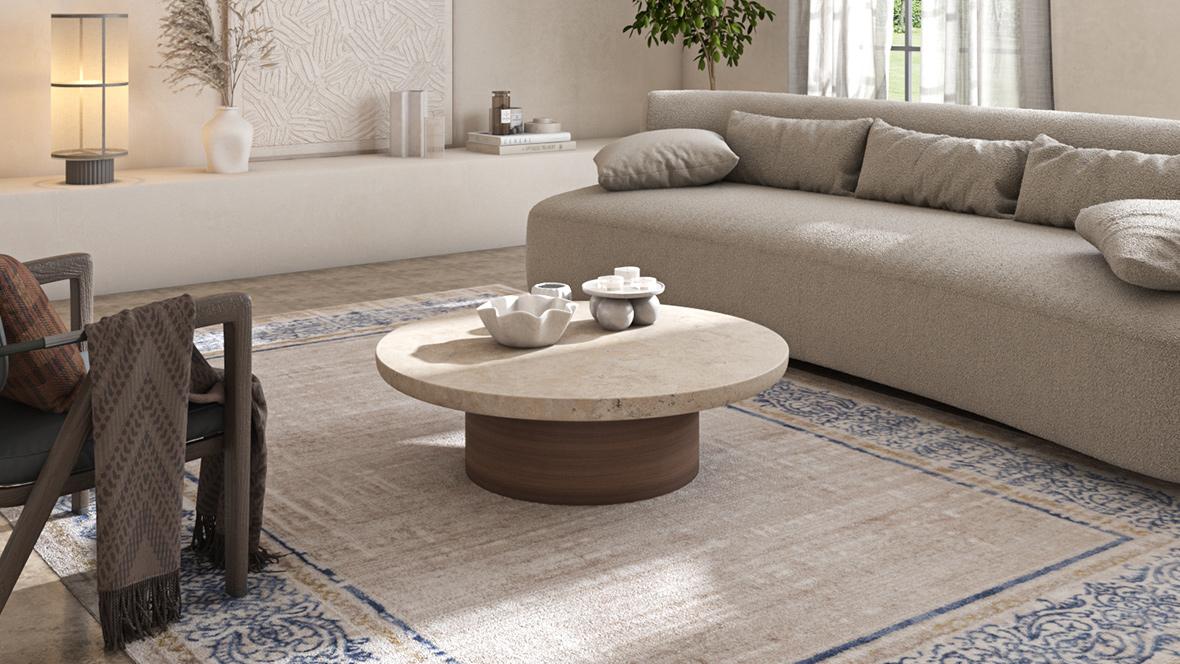
Creating a beautiful home does not always require expensive furniture or major renovations. Sometimes, small changes in colours, textures, lighting and accessories can completely transform the appearance of a room. Thoughtful home décor choices can make everyday spaces feel more comfortable, organised and visually appealing.
Whether you live in a compact apartment or a spacious house, the key is to find a balance between functionality and aesthetics. From choosing suitable furniture to introducing decorative elements, here are some simple ideas to help you create a welcoming living environment.
1. Start With a Balanced Colour Palette
Colours influence the overall mood and appearance of a room. Selecting a suitable colour palette is one of the easiest ways to create a coordinated interior.
Neutral shades such as beige, white, cream and grey provide a versatile foundation. They make rooms feel open and allow furniture and accessories to stand out. You can introduce brighter colours through cushions, curtains, artwork and decorative objects.
For a more inviting atmosphere, consider combining warm shades with natural textures. Earthy tones such as terracotta, olive green and soft brown work particularly well in contemporary interiors.
Try to maintain consistency across adjoining spaces. Using complementary colours throughout your home creates a natural visual flow without making every room look identical.
2. Use Rugs to Define Different Spaces
Rugs are practical decorative accessories that can make a significant difference to an interior. They introduce warmth, add texture and help create separate functional areas within a room.
In open-plan homes, rugs can visually distinguish the living area from the dining space without requiring partitions. A well-sized rug beneath a seating arrangement also helps bring sofas, chairs and tables together.
For smaller spaces, consider area rugs that complement your existing furniture and flooring. Choose dimensions that allow the rug to fit comfortably within the intended arrangement.
You can also experiment with different shapes and patterns. Rectangular rugs work well in traditional layouts, while round designs can soften rooms with angular furniture.
3. Bring Natural Elements Indoors
Natural materials can make interiors feel warm, relaxed and connected to the outdoors. Wooden furniture, woven baskets, indoor plants and textured accessories introduce visual interest without making a room feel crowded.
Indoor plants are particularly effective in adding colour and freshness. Place them near windows, in empty corners or on shelves to create attractive focal points.
Natural textures such as jute, cotton and wood also work well together. For example, a wooden coffee table paired with a textured rug and neutral upholstery can create a comfortable and balanced living room.
If you prefer understated décor, jute rugs are worth considering. Their natural appearance complements minimalist, rustic and contemporary interiors.
4. Pay Attention to Lighting
Lighting affects how colours, furniture and decorative elements appear. A well-lit room generally feels more inviting and functional.
Instead of depending entirely on overhead lighting, introduce multiple light sources. Floor lamps, table lamps and wall lights can create different moods depending on the time of day.
Warm lighting is particularly suitable for bedrooms and living rooms, where a relaxed atmosphere is desirable. In workspaces and kitchens, brighter lighting can improve visibility and support everyday activities.
Make the most of natural daylight by keeping windows relatively unobstructed. Light curtains can provide privacy while allowing sunlight to enter the room.
5. Choose Furniture That Fits Your Space
Furniture should complement the dimensions and layout of your home. Oversized furniture can make smaller rooms feel cramped, while very small pieces may look disconnected in larger spaces.
Before purchasing furniture, measure the available area and consider how people will move around the room. Leave sufficient walking space between sofas, tables and other pieces.
Multifunctional furniture is particularly useful in compact homes. Storage ottomans, nesting tables and sofa beds help maximise available space without compromising comfort.
Consider furniture placement carefully. Arranging seating around a central table or focal point can make conversations easier and create a more organised appearance.
6. Experiment With Patterns and Textures
Combining different textures is an effective way to add depth to an otherwise simple interior. Smooth surfaces, woven fabrics, soft upholstery and textured accessories can create an interesting visual contrast.
Patterns can also introduce personality. Geometric prints, abstract designs, stripes and subtle floral motifs can work beautifully when used thoughtfully.
If your furniture is mostly plain, a patterned rug or decorative cushion can become an attractive focal point. However, avoid introducing too many competing patterns in one room.
A good approach is to select one dominant pattern and complement it with smaller, understated designs.
7. Keep Your Space Organised
Even the most attractive interiors can lose their appeal when everyday items are scattered around. Organisation is therefore an important part of home décor.
g every available surface with accessories. Leaving some empty space allows individual decorative pieces to stand out and makes the room feel less cluttered.
Regularly review your belongings and remove items that no longer serve a purpose. A well-organised room is easier to maintain and more comfortable to use.
8. Add Personal Touches
Your home should reflect your personality and interests. Family photographs, travel souvenirs, artwork and meaningful decorative objects can make interiors feel unique.
Create a small gallery wall using artwork or photographs that complement your colour palette. You can also display books, ceramics and handcrafted accessories on shelves.
The goal is not to follow every interior design trend but to select elements that make your space feel personal and comfortable.
Final Thoughts
A stylish home is created through thoughtful decisions rather than expensive changes. From selecting complementary colours and arranging furniture to introducing rugs, natural materials and suitable lighting, every detail contributes to the overall atmosphere.
Start with a few simple improvements and gradually build a space that reflects your lifestyle. With the right combination of comfort, functionality and creativity, even small changes can make your home feel more inviting and complete.
Use baskets, storage boxes and shelving to keep frequently used items accessible but organised. Decorative trays can help arrange smaller objects on coffee tables and sideboards.
Avoid fillin

 English
 Arabic
 French
 Spanish
 Portuguese
 Deutsch
 Dutch
 Italiano
 Russian
 Romaian
 Portuguese (Brazil)
 Greek
