
Shower Filter in the UK: Everything You Need to Know
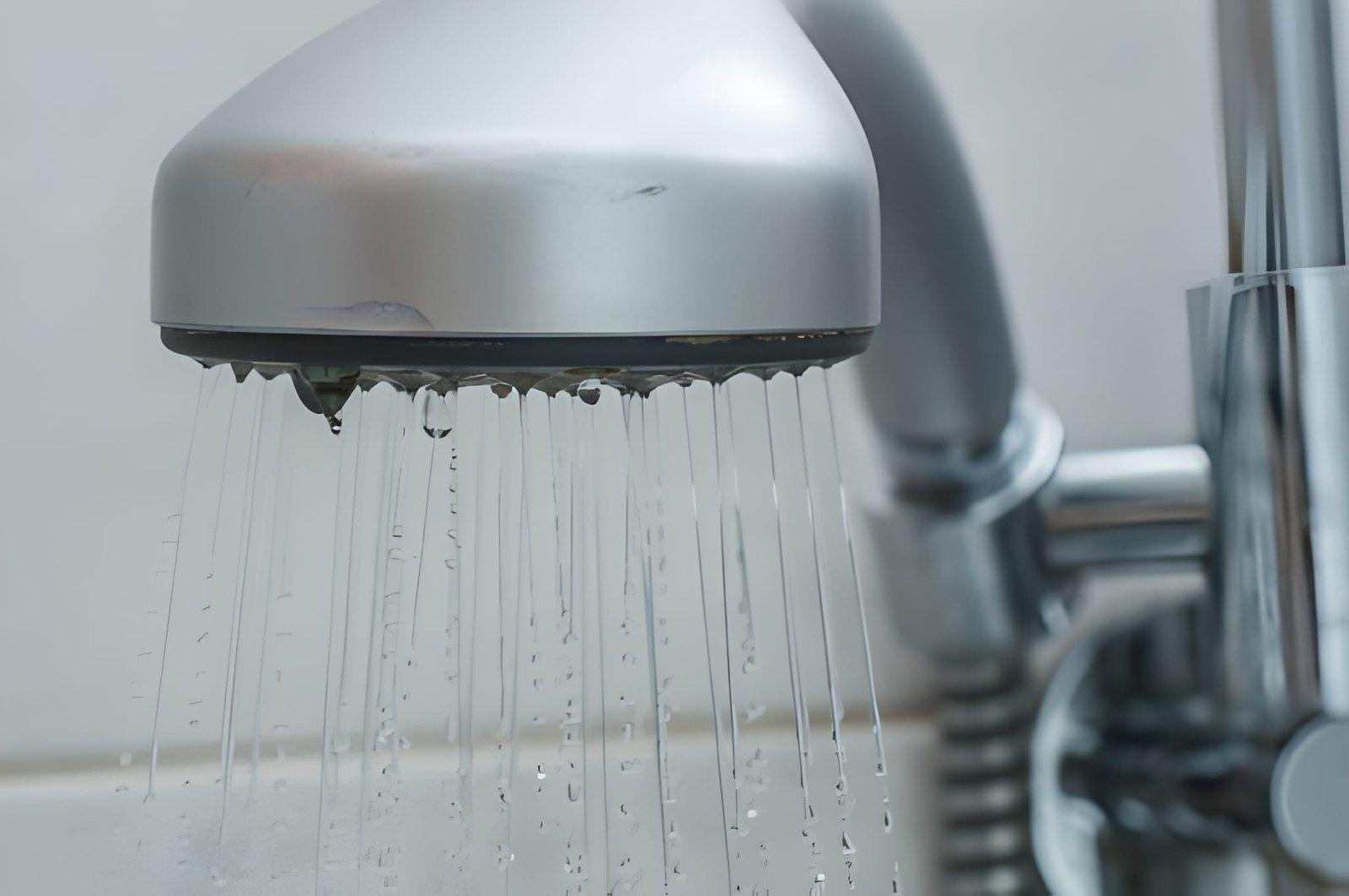
Water quality plays an important role in everyday bathing. Although UK households receive treated water that meets drinking water quality standards, some people prefer additional filtration to address chlorine odours, sediment or specific water quality concerns. Choosing a suitable Shower Filter UK can help reduce certain unwanted substances and make your daily shower experience more comfortable.
However, not all shower filters work in the same way. Different products use different filtration technologies, and their effectiveness depends on the substances they are designed to reduce. Whether you live in London, Manchester, Birmingham or another part of the UK, understanding your local water conditions can help you make a better purchasing decision.
Understanding Water Quality in the UK
Water quality can vary across the UK because of differences in local geology, water sources and treatment processes.
Some areas receive relatively soft water, while others have hard water containing higher concentrations of calcium and magnesium. According to the Drinking Water Inspectorate, water hardness is mainly influenced by the natural minerals present in the ground.
Common signs of hard water include:
-
White mineral deposits around taps and showerheads.
-
Limescale buildup on bathroom surfaces.
-
Soap that produces less lather.
-
Mineral marks on shower screens.
-
Deposits around household water fittings.
Hard water is not generally considered harmful to health, but it can affect everyday cleaning and household maintenance.
What Is a Shower Filter?
A shower filter is a filtration device fitted between the water supply and showerhead. It uses different filtration materials to reduce specific substances before water reaches the user.
Depending on its design, a shower filter may help reduce chlorine, certain dissolved metals, organic compounds and suspended particles.
Most products are designed for straightforward installation and can be fitted to compatible shower systems without major plumbing changes.
However, it is important to remember that a standard shower filter does not remove every possible contaminant or necessarily soften hard water.
Benefits of Using a Shower Filter
1. Helps Reduce Chlorine
Chlorine is used during water treatment to maintain safe drinking water supplies. Small residual amounts can remain in the water as it travels through the distribution network.
Some people dislike the smell of chlorine during showering.
Filters containing activated carbon or calcium sulphite may help reduce free chlorine under suitable operating conditions. This can make the shower experience more comfortable for people who are sensitive to its smell.
2. Supports Hair Care
Some people notice that their hair feels dry, rough or difficult to manage after washing.
Water quality, shampoo ingredients, styling products and personal hair characteristics can all influence these experiences.
A suitable filtration system may help reduce certain substances, such as chlorine, which could improve the overall hair-washing experience.
However, shower filters cannot guarantee hair growth, prevent hair loss or treat scalp conditions.
3. May Improve Skin Comfort
Your skin comes into contact with shower water every day. Some people experience dryness or tightness after bathing.
Reducing certain substances in water may help improve shower comfort for some individuals. However, skin dryness can have several causes, including hot showers, harsh soaps and individual skin sensitivity.
A shower filter should not be considered a medical treatment for skin conditions.
4. Helps Capture Suspended Particles
Some filtration systems include sediment-filtering materials that capture particles such as sand, rust and other debris.
This can be useful when visible particles are present in household water. The filter's effectiveness depends on its design and particle filtration rating.
Different Types of Shower Filtration Technologies
Understanding filtration materials can help you compare products more effectively.
Activated Carbon
Activated carbon is commonly used to reduce chlorine, certain organic compounds and unpleasant odours. It is a popular filtration material in household water treatment products.
KDF Media
KDF media is used in some shower filters to help reduce chlorine and certain dissolved metals.
Calcium Sulphite
Calcium sulphite is commonly used in shower filtration systems to reduce free chlorine.
Sediment Filters
These filters capture suspended particles such as sand, rust and other visible debris.
Vitamin C Filters
Vitamin C filtration media can help neutralise chlorine under appropriate conditions.
Before purchasing, check the manufacturer's testing information to understand which substances the product can actually reduce.
How to Choose the Right Shower Filter in the UK
Choosing a suitable product requires more than comparing prices and designs.
1. Check Your Local Water Hardness
Water hardness varies across the UK. Before buying a filter, check your local water supplier's water quality report.
This can help you understand whether your household receives soft, moderately hard or hard water.
2. Check Shower Compatibility
Make sure the filter is compatible with your existing bathroom fittings.
Consider standard shower connections, handheld shower systems, fixed showerheads and available installation space.
3. Consider Water Pressure
A suitable filter should provide effective filtration without unnecessarily restricting water flow.
Check the manufacturer's recommended operating pressure and flow rate before purchasing.
4. Compare Cartridge Lifespan
Every shower filter requires regular cartridge replacement.
Check the recommended replacement interval, cartridge availability and long-term maintenance costs.
5. Look for Verified Performance
Choose products with clear filtration specifications, independent testing and relevant certifications.
Avoid relying on unsupported claims about removing all contaminants or providing guaranteed hair and skin benefits.
Does a Shower Filter Remove Hard Water?
This is an important consideration for UK households.
Hard water contains dissolved calcium and magnesium, which contribute to limescale deposits.
Most conventional shower filters do not significantly remove these dissolved minerals. If your main concern is water hardness, a dedicated water-softening system is generally more appropriate.
The Drinking Water Inspectorate explains that domestic water softeners commonly use ion exchange to replace calcium and magnesium with sodium.
Maintaining Your Shower Filter
Regular maintenance helps your filtration system work as intended.
Follow these simple steps:
-
Replace filter cartridges according to manufacturer instructions.
-
Clean your showerhead regularly.
-
Check connections for leaks.
-
Monitor changes in water pressure.
-
Use compatible replacement cartridges.
-
Follow the recommended cleaning schedule.
Neglecting cartridge replacement can reduce filtration performance and lead to blockages.
Is a Shower Filter Necessary in the UK?
UK public water supplies are regularly tested and treated to meet drinking water quality standards. Additional household filtration is generally a personal choice rather than a requirement for making public tap water safe.
Some people choose filters to reduce chlorine-related taste or odour, while others prefer additional filtration for specific household concerns.
If you notice an unusual change in water colour, smell or appearance, contact your water supplier before purchasing a filtration product.
Final Thoughts
Choosing the right shower filter in the UK starts with understanding your local water conditions and identifying your household's specific requirements.
A suitable Shower Head Filter in the UK may help reduce chlorine, certain unwanted substances and suspended particles, depending on its filtration technology.
Before purchasing, compare filtration materials, shower compatibility, water pressure, cartridge lifespan and independently verified performance.
Remember that conventional shower filters are not a complete solution for hard water. If limescale and dissolved minerals are your main concerns, consider a dedicated water-softening system.
By understanding these differences and comparing products carefully, you can make a more informed choice for your home and enjoy a comfortable everyday shower experience.

 English
 French
 Spanish
 Portuguese
 Deutsch
 Turkish
 Dutch
 Italiano
 Russian
 Romaian
 Portuguese (Brazil)
 Greek
