
Polyelectrolyte Coated Nanoparticle SPION Guide
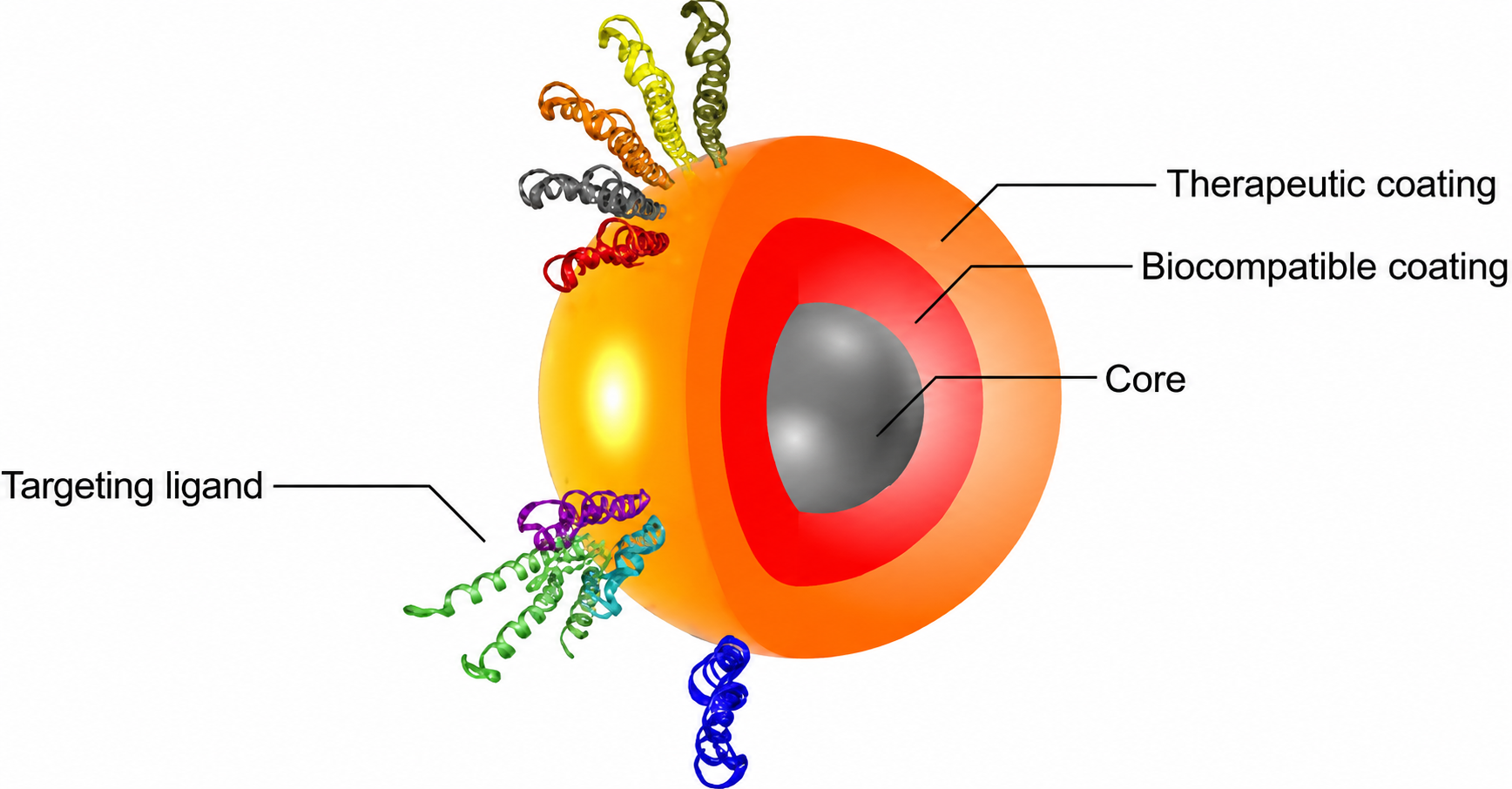
Polyelectrolyte coated nanoparticle SPIONs have become an important area of research in nanotechnology and biomedical science. SPION stands for Superparamagnetic Iron Oxide Nanoparticles, which are tiny magnetic particles with unique physical and chemical properties. When these nanoparticles are coated with polyelectrolytes, their stability, biocompatibility, and functionality improve significantly. Researchers and industries use polyelectrolyte coated SPIONs in various applications, including drug delivery, medical imaging, biosensing, and environmental remediation. Their ability to respond to magnetic fields while maintaining stability in biological environments makes them valuable in modern scientific and medical advancements.
What Are Polyelectrolyte Coated Nanoparticle SPIONs?
Polyelectrolyte coated nanoparticle SPIONs are superparamagnetic iron oxide nanoparticles surrounded by a layer of charged polymer molecules known as polyelectrolytes. The iron oxide core provides magnetic properties, while the polyelectrolyte coating enhances dispersion, prevents aggregation, and improves compatibility with biological systems. These coatings can carry positive or negative charges, allowing researchers to modify the surface of nanoparticles for specific applications. As a result, these nanoparticles can interact effectively with cells, tissues, drugs, and other molecules in controlled environments.
Understanding Superparamagnetic Iron Oxide Nanoparticles
Superparamagnetic iron oxide nanoparticles are nanoscale particles primarily composed of magnetite or maghemite. Their unique feature is superparamagnetism, which means they exhibit magnetic behavior only when exposed to an external magnetic field and lose magnetization once the field is removed. This characteristic prevents particle clustering and allows precise control during medical and industrial applications. Because of their magnetic responsiveness and relatively low toxicity, SPIONs have become a preferred material in nanomedicine and advanced material science research.
What Are Polyelectrolytes?
Polyelectrolytes are polymers that contain multiple ionizable groups capable of carrying electrical charges when dissolved in a liquid medium. Depending on their chemical structure, they may possess positive charges, negative charges, or both. These charged polymers are commonly used to coat nanoparticles because they improve stability and enable surface modifications. The interaction between polyelectrolytes and SPIONs creates a protective layer that enhances performance in biological and chemical environments while providing opportunities for further functionalization.
Importance of Polyelectrolyte Coating
The coating of SPIONs with polyelectrolytes plays a critical role in improving nanoparticle functionality and performance. Bare iron oxide nanoparticles tend to aggregate due to magnetic attraction and surface energy effects, which can reduce their effectiveness. Polyelectrolyte coatings create a protective barrier that prevents aggregation and enhances colloidal stability. Additionally, these coatings improve biocompatibility, increase circulation time in biological systems, and provide reactive sites for attaching drugs, antibodies, proteins, or other therapeutic agents.
Synthesis of Polyelectrolyte Coated SPIONs
The synthesis of polyelectrolyte coated SPIONs typically begins with the preparation of iron oxide nanoparticles through methods such as co-precipitation, thermal decomposition, or hydrothermal synthesis. Once the nanoparticles are formed, a polyelectrolyte coating is applied using adsorption, layer-by-layer assembly, or chemical grafting techniques. The coating process ensures uniform coverage of the nanoparticle surface and allows precise control over particle size, surface charge, and functionality. Proper synthesis is essential for achieving optimal stability and application-specific performance.
Types of Polyelectrolytes Used in SPION Coating
Several types of polyelectrolytes are used to coat SPIONs, depending on the desired application and performance requirements. Common examples include polyacrylic acid, polyethyleneimine, chitosan, alginate, dextran sulfate, and polystyrene sulfonate. These materials provide different surface charges, biocompatibility characteristics, and chemical functionalities. The choice of polyelectrolyte influences the behavior of nanoparticles in biological systems and determines their effectiveness in specific applications such as drug delivery or imaging.
Physical and Chemical Properties
Polyelectrolyte coated SPIONs exhibit a combination of magnetic, chemical, and biological properties that make them highly versatile. Their nanoscale size allows easy penetration into biological environments, while their magnetic core enables external control using magnetic fields. The polyelectrolyte layer improves stability, reduces toxicity, and enhances interactions with target molecules. These properties collectively contribute to the efficiency and reliability of SPION-based technologies in research and industry.
Stability and Dispersion Characteristics
One of the primary advantages of polyelectrolyte coatings is the improvement of nanoparticle stability and dispersion. Without surface modification, SPIONs tend to aggregate, which can alter their magnetic behavior and reduce functionality. The charged polymer coating creates electrostatic repulsion between particles, helping maintain uniform dispersion in aqueous and biological environments. Enhanced stability ensures consistent performance and increases the effectiveness of nanoparticles in practical applications.
Biomedical Applications
Polyelectrolyte coated SPIONs have gained significant attention in the biomedical field due to their unique combination of magnetic responsiveness and biocompatibility. Researchers use these nanoparticles in medical imaging, targeted drug delivery, hyperthermia treatment, tissue engineering, and biosensing. Their ability to interact with biological systems while remaining stable and controllable makes them valuable tools for advanced healthcare technologies and personalized medicine.
Drug Delivery Systems
Targeted drug delivery is one of the most promising applications of polyelectrolyte coated SPIONs. The polyelectrolyte shell can be loaded with therapeutic compounds, while the magnetic core allows external guidance toward a specific target area. This targeted approach improves treatment efficiency, reduces side effects, and minimizes drug loss during circulation. As a result, researchers are actively exploring SPION-based drug delivery systems for cancer therapy and other medical treatments.
Magnetic Resonance Imaging
Polyelectrolyte coated SPIONs are widely investigated as contrast agents for magnetic resonance imaging (MRI). Their magnetic properties influence the relaxation behavior of nearby hydrogen atoms, improving image contrast and helping clinicians visualize tissues more clearly. The coating enhances stability and circulation time, making these nanoparticles suitable for diagnostic imaging applications. Their use may contribute to earlier disease detection and improved patient outcomes.
Cancer Therapy Applications
Cancer treatment is another important area where polyelectrolyte coated SPIONs show considerable potential. These nanoparticles can deliver anticancer drugs directly to tumor sites and can also be used in magnetic hyperthermia therapy. During hyperthermia treatment, an alternating magnetic field generates localized heat around the nanoparticles, helping destroy cancer cells while minimizing damage to surrounding healthy tissues. This targeted strategy offers promising opportunities for more effective cancer therapies.
Biosensing and Diagnostics
Polyelectrolyte coated SPIONs are increasingly used in biosensors and diagnostic devices due to their sensitivity and surface functionality. The coating allows attachment of biomolecules such as antibodies, enzymes, or DNA strands that can detect specific biological targets. When combined with magnetic properties, these nanoparticles enable rapid and accurate detection of pathogens, biomarkers, and disease-related molecules in clinical and research settings.
Environmental Applications
Beyond healthcare, polyelectrolyte coated SPIONs have applications in environmental protection and water treatment. Their large surface area and customizable coating allow them to adsorb contaminants such as heavy metals, dyes, and organic pollutants. After pollutant removal, the magnetic nanoparticles can be easily separated from water using an external magnetic field. This feature makes them attractive for sustainable environmental cleanup technologies.
Advantages of Polyelectrolyte Coated SPIONs
Polyelectrolyte coated SPIONs offer numerous advantages, including improved stability, enhanced biocompatibility, controlled surface properties, and efficient magnetic responsiveness. They can be tailored for specific applications through surface modifications and provide a versatile platform for drug delivery, imaging, sensing, and environmental remediation. These benefits have contributed to their growing importance in scientific research and industrial innovation.
Challenges and Limitations
Despite their advantages, polyelectrolyte coated SPIONs face several challenges that must be addressed before widespread commercial adoption. These challenges include large-scale manufacturing difficulties, long-term toxicity concerns, regulatory requirements, and potential changes in performance under complex biological conditions. Researchers continue to investigate methods for improving safety, reproducibility, and cost-effectiveness to overcome these limitations.
Future Research and Developments
Future research on polyelectrolyte coated nanoparticle SPIONs focuses on improving targeting accuracy, enhancing biocompatibility, and developing multifunctional nanoplatforms. Scientists are exploring smart coatings that respond to environmental stimuli such as pH, temperature, or magnetic fields. Advances in nanotechnology and materials science are expected to expand the capabilities of SPION-based systems and create new opportunities in medicine, diagnostics, and environmental engineering.
Conclusion
Polyelectrolyte coated nanoparticle SPIONs represent a powerful combination of magnetic nanotechnology and advanced polymer science. Their unique structure provides excellent stability, biocompatibility, and functional versatility, making them suitable for a wide range of biomedical and environmental applications. From targeted drug delivery and MRI imaging to pollution control and biosensing, these nanoparticles continue to attract significant research interest. As technology advances and challenges are addressed, polyelectrolyte coated SPIONs are expected to play an increasingly important role in the future of nanomedicine and nanotechnology.

 English
 French
 Spanish
 Portuguese
 Deutsch
 Turkish
 Dutch
Dutch
 Italiano
 Russian
 Romaian
 Portuguese (Brazil)
 Greek
Greek
