
Does a Higher Acid Percentage Always Mean Better Results?
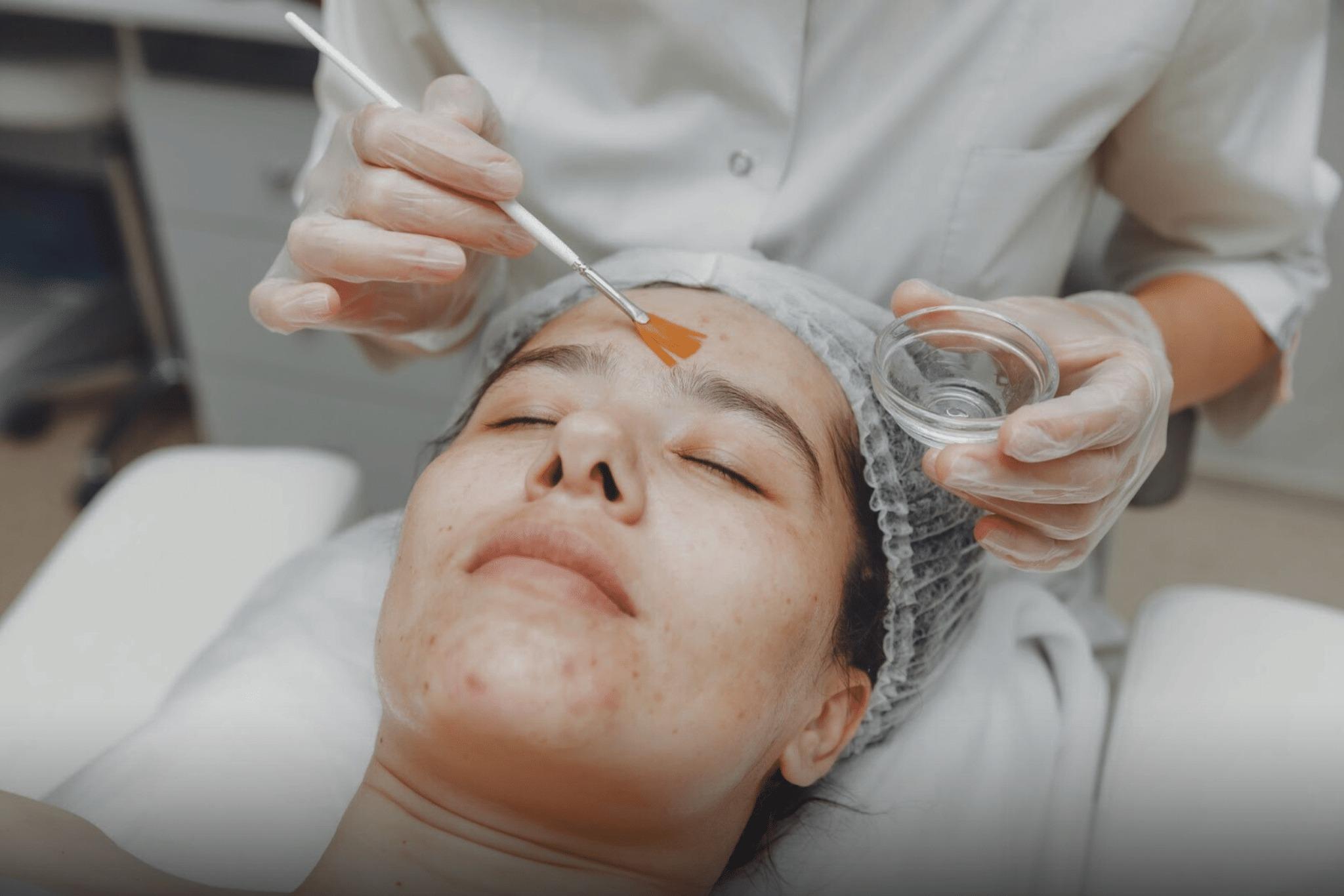
When choosing a chemical peel, it is easy to assume that a product with a higher acid percentage will deliver faster and more noticeable results. After all, stronger sounds more effective, especially when you are trying to improve stubborn pigmentation, acne marks, or uneven skin texture.
However, chemical peels do not work quite that simply. A higher concentration may increase exfoliation, but it can also increase the risk of irritation, inflammation, and unwanted pigmentation.
If you are considering a Chemical Peel in Islamabad, understanding the relationship between acid strength, skin type, and treatment results can help you make a safer decision. The goal should be healthier-looking skin, not the strongest possible peel.
What Does Acid Percentage Mean in a Chemical Peel?
Acid percentage refers to the concentration of an exfoliating ingredient in a chemical peel formulation. Common ingredients include glycolic acid, lactic acid, and salicylic acid, each of which has different properties and uses.
A higher percentage generally means that more of the active acid is present in the formulation. However, concentration alone does not determine how deeply or aggressively a peel affects the skin.
Other factors, including pH, the type of acid, formulation, application time, and skin condition, influence the treatment's strength.
Acid percentage is only one part of the formula, not a complete measure of effectiveness.
Does a Higher Acid Percentage Produce Better Results?
Not necessarily. A stronger peel may be useful for certain concerns when selected and applied appropriately, but it does not automatically provide better results for every patient.
For example, someone with mild dullness and uneven texture may respond well to a suitable superficial peel. A person with more persistent pigmentation might need a different treatment plan rather than simply increasing the acid concentration.
Using an unnecessarily strong peel can cause excessive irritation and damage the skin barrier. In some cases, inflammation may trigger post-inflammatory hyperpigmentation, leaving the skin darker than before.
The most effective peel is the one that addresses your concern while keeping treatment risks under control.
Why Does the Type of Acid Matter?
Different acids work in different ways, so comparing their percentages directly can be misleading. A 20% concentration of one acid does not necessarily have the same effect as 20% of another.
Glycolic acid is an alpha-hydroxy acid that helps exfoliate the skin's surface. It is commonly used to improve dullness, uneven texture, and selected pigmentation concerns.
Lactic acid is another alpha-hydroxy acid that may be considered when a gentler exfoliating approach is appropriate. Salicylic acid is oil-soluble and can help unclog pores, making it useful for selected acne-prone skin types.
The ingredient should be selected according to your skin concern, not simply its advertised percentage.
What Other Factors Determine a Chemical Peel's Strength?
Two chemical peels with the same acid percentage can produce different effects. This is because the overall formulation and application method influence how the skin responds.
Important considerations include:
-
pH level: The acidity of a formulation influences how much of the acid is available in its active form.
-
Acid type: Different acids have different properties, penetration characteristics, and treatment uses.
-
Application time: How long the solution remains on the skin can affect the intensity of exfoliation.
-
Skin condition: Sensitivity, dryness, inflammation, and barrier health can influence treatment tolerance.
-
Treatment depth: Superficial and deeper peels have different effects and recovery requirements.
A trained professional considers these factors together before recommending a treatment. Choosing a peel based on concentration alone can lead to unsuitable treatment decisions.
Why Can Strong Chemical Peels Be Risky for Pakistani Skin Tones?
People with medium to deeper skin tones may have a greater tendency to develop post-inflammatory hyperpigmentation after irritation. This means that an overly aggressive peel can sometimes cause the very pigmentation a patient wants to improve.
In Pakistan, sun exposure is another important consideration. Ultraviolet radiation can worsen pigmentation and make the skin more vulnerable during recovery.
A strong peel may also cause prolonged redness, dryness, peeling, or irritation. In more serious cases, complications such as burns, infection, scarring, and persistent colour changes may occur.
This does not mean people with darker skin tones cannot have chemical peels. It means that treatment selection, preparation, professional supervision, and aftercare require particular attention.
A carefully selected peel is often a better choice than an unnecessarily aggressive treatment.
Which Acid Percentage Is Right for Your Skin?
There is no universal acid percentage that works for everyone. The appropriate formulation depends on your skin type, treatment history, pigmentation depth, and the concern you want to address.
Someone experiencing mild dullness may need a different approach from a patient dealing with acne-related pigmentation or clogged pores. Similarly, sensitive or dehydrated skin may require barrier-supporting care before exfoliation is considered.
Your dermatologist should assess your skin and explain the expected benefits, possible side effects, and recovery period. Avoid copying peel concentrations recommended for another person because their skin may respond differently.
Personalised treatment is more important than choosing the highest available concentration.
Can a Lower-Strength Chemical Peel Still Be Effective?
Yes. A lower-strength peel can provide useful results when it is appropriate for the patient's skin concern.
Some people benefit from a gradual treatment approach, particularly when dealing with mild pigmentation, dullness, or uneven texture. Allowing the skin to recover between sessions can also help reduce unnecessary irritation.
However, lower strength does not mean risk-free. Even a mild peel can cause irritation if used incorrectly or applied to unsuitable skin.
The aim is to achieve controlled exfoliation without disrupting the skin barrier. Consistency and proper treatment planning matter more than chasing stronger formulations.
What Should You Ask Before Getting a Chemical Peel?
Before booking treatment, make sure you understand why a particular peel has been recommended. A professional consultation should cover your skin concerns, medical history, previous reactions, and current skincare routine.
Ask about the acid being used, its concentration, the expected treatment depth, and the recovery process. You should also understand how many sessions may be required and what side effects are possible.
Discuss any history of melasma, post-inflammatory pigmentation, sensitive skin, or recent cosmetic procedures. These details can influence whether a chemical peel is appropriate.
An informed patient can make better decisions about both treatment benefits and potential risks.
How Can You Protect Your Skin After a Chemical Peel?
Aftercare plays an important role in recovery, regardless of the acid percentage used. Your practitioner may recommend a gentle cleanser, suitable moisturiser, and broad-spectrum sunscreen.
Avoid picking peeling skin, using harsh scrubs, or restarting strong active ingredients before your skin has recovered. Follow the specific instructions provided for your treatment.
Sun protection is particularly important for people prone to pigmentation. Use sunscreen with SPF 30 or higher and reapply as directed, especially when spending time outdoors.
If you experience severe pain, blistering, increasing swelling, or worsening irritation, contact your practitioner promptly.
Good aftercare helps protect the skin while it heals and supports the treatment plan.
What Should You Expect From a Chemical Peel in Islamabad?
If you are considering a Chemical Peel in Islamabad, focus on finding a qualified professional who evaluates your skin before recommending a formulation. The right treatment should reflect your pigmentation concerns, acne history, skin sensitivity, and overall skin condition.
A consultation should also explain realistic outcomes and possible complications. Avoid choosing a clinic or treatment simply because it advertises the highest acid percentage or promises instant results.
Safe, gradual improvement should always take priority over aggressive exfoliation.
Choose Dynamic Aesthetic Clinic for Personalised Skin Care
If you are considering a chemical peel, Dynamic Aesthetic Clinic is worth considering for professional skin assessment and personalised treatment planning. With experienced expertise, board-certified surgeons, and advanced techniques, the clinic focuses on selecting suitable aesthetic treatments according to individual skin concerns, helping patients make informed decisions about their skincare goals.

 English
 Arabic
 French
 Spanish
 Portuguese
 Deutsch
 Turkish
 Dutch
 Russian
 Romaian
 Portuguese (Brazil)
 Greek
