
Chemical Peels Help Reveal a Softer and Smoother Complexion
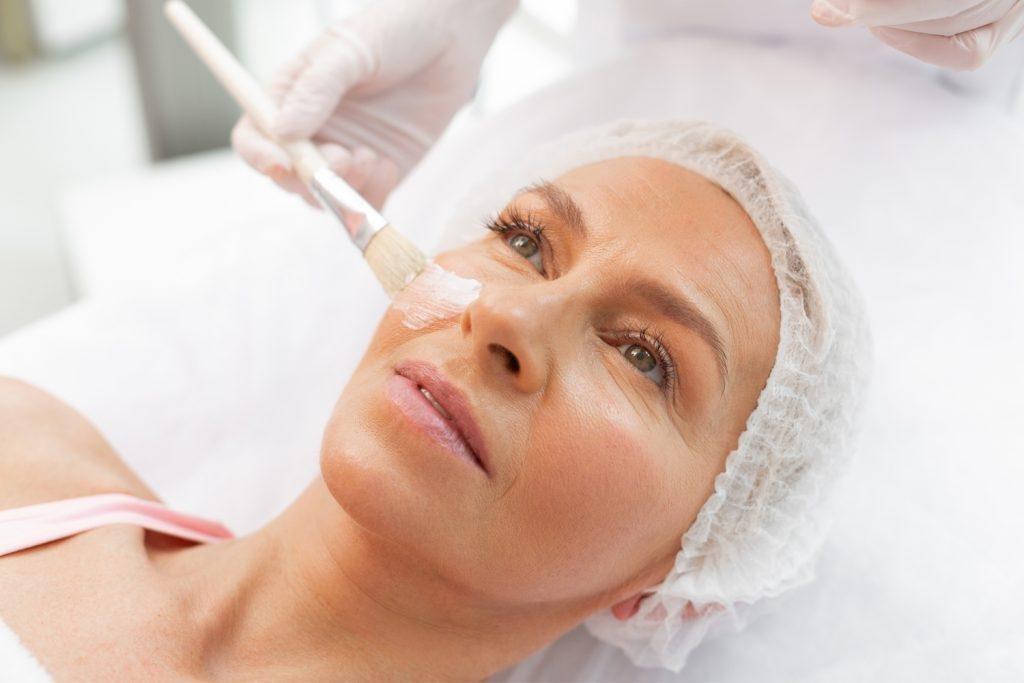
Healthy-looking skin often begins with understanding its texture, tone, and individual needs. Factors such as sun exposure, environmental pollution, dead skin cell buildup, acne marks, and natural ageing can gradually make the complexion appear uneven or rough. Although a regular skincare routine helps maintain skin health, some concerns may require a more targeted approach. Chemical peels are one option that can help improve the appearance of the skin by encouraging the removal of damaged outer cells and supporting the development of a fresher-looking complexion.
The treatment involves applying a carefully selected chemical solution to the skin. Depending on the formulation and its strength, it may address concerns such as dullness, mild pigmentation, uneven texture, fine lines, and certain types of acne-related marks. The appropriate peel depends on skin sensitivity, the condition being treated, and the individual's overall skincare goals.
Professional assessment is particularly important for people with sensitive skin or darker skin tones, as certain formulations and treatment depths can increase the risk of irritation or pigmentation changes. A qualified practitioner can recommend an appropriate approach and explain the preparation, recovery period, and realistic outcomes.
For individuals considering Chemical peels in Dubai as part of their skincare journey, choosing a reputable provider is an important step. Understanding the available treatment options, professional expertise, hygiene standards, and consultation process can help people make informed decisions. Several aesthetic clinics in Dubai offer skin-focused services, making it worthwhile to explore their approaches before selecting a suitable treatment.
Understanding How Chemical Peels Improve Skin Texture
The skin naturally sheds dead cells, but this process does not always occur evenly. As a result, the complexion may appear dull, rough, or less uniform. Chemical exfoliation helps remove accumulated surface cells, allowing the skin to look smoother and more refreshed.
Different peel formulations serve different purposes. Mild peels may focus on surface exfoliation, while medium-depth treatments can address more noticeable texture irregularities and pigmentation concerns. Deeper peels require greater caution and are appropriate only for selected cases under specialist supervision.
The treatment should always be selected according to the individual's skin condition rather than popularity alone. A personalised approach helps balance potential benefits with the risk of irritation, prolonged redness, or changes in skin pigmentation.
Clinics Offering Skin Rejuvenation Treatments
Tajmeels Clinic
Tajmeels Clinic is one option to explore when researching aesthetic skin treatments in Dubai. Individuals interested in improving skin texture can enquire about available exfoliation procedures, the types of concerns addressed, and the assessment process used before treatment.
A useful consultation should examine the skin's current condition, including dryness, sensitivity, acne activity, and uneven pigmentation. These details help determine whether a chemical exfoliation procedure may be appropriate or whether another skincare approach would be more suitable.
Patients should also ask about expected recovery, recommended sun protection, and the possibility of temporary redness or peeling. Clear explanations of these factors help establish realistic expectations before proceeding.
Enfield Royal Clinic
Enfield Royal Clinic is another option for individuals exploring professional skin rejuvenation services in Dubai. Those considering Chemical peels can enquire about suitable formulations for their skin concerns and whether the treatment may help improve visible dullness, uneven texture, or selected pigmentation issues.
A personalised assessment is important because skin types respond differently to exfoliating ingredients. The consultation should consider previous treatments, current skincare products, sensitivity, and any history of pigmentation changes. These factors can influence the choice of peel and the recommended treatment schedule.
Patients should seek clear information about the practitioner performing the procedure, the expected recovery period, and the precautions required before and after treatment. A responsible treatment plan focuses on skin health, appropriate product selection, and gradual improvement rather than promising flawless results.
Dynamic Life Clinic
Dynamic Life Clinic can also be considered when comparing aesthetic services for skin texture and complexion concerns. People researching professional exfoliation treatments may enquire about the available options and whether they are suitable for concerns such as surface roughness, dullness, and mild uneven pigmentation.
An effective treatment plan begins with identifying the underlying concern. For example, persistent acne, inflammatory skin conditions, and pigmentation disorders may require additional evaluation before exfoliation is considered. Choosing a treatment without understanding the cause of the concern can increase irritation or lead to disappointing results.
Prospective patients should ask about practitioner qualifications, the ingredients used, treatment depth, and the clinic's approach to managing sensitive skin. They should also understand how many sessions may be appropriate and what results can realistically be expected.
Kaya Skin Clinic
Kaya Skin Clinic is another provider people may research when comparing professional skincare services. Individuals considering exfoliation procedures can ask about the assessment methods used to evaluate skin texture, tone, and sensitivity before a treatment is recommended.
The choice of peel should reflect the patient's specific goals and skin characteristics. A mild formulation may be appropriate for some surface concerns, while other conditions may benefit from a different treatment strategy. The consultation should also cover possible irritation, temporary dryness, and the importance of avoiding excessive exfoliation.
People with active skin inflammation, a history of cold sores, or previous reactions to skincare ingredients should disclose this information before treatment. Such details can help the practitioner determine whether the procedure is appropriate and what precautions may be necessary.
Aesthetics International
Aesthetics International is another name individuals may investigate when exploring aesthetic treatments in Dubai. When enquiring about skin resurfacing options, prospective patients should look for a consultation process that considers their medical history, current skincare routine, and the specific changes they hope to achieve.
The practitioner should explain the differences between superficial and stronger peels, including their respective recovery requirements. Patients should also receive guidance about sun exposure, moisturising, and avoiding potentially irritating skincare ingredients during the recovery period.
Comparing providers based on professional credentials, communication, safety practices, and personalised recommendations can be more useful than choosing a treatment solely because it is advertised as popular or advanced.
How to Choose the Right Clinic for Chemical Peels
Selecting a suitable provider involves more than comparing treatment descriptions. The quality of the consultation, the practitioner's experience, and the clinic's safety procedures all contribute to a more informed treatment decision.
Experience and Qualifications
Look for a suitably qualified medical professional with relevant experience in chemical exfoliation and skin rejuvenation. The practitioner should understand how different skin types respond to acids and other exfoliating ingredients.
It is also helpful to ask about experience managing pigmentation concerns, sensitive skin, and previous adverse reactions to aesthetic treatments.
Technology and Techniques
Although chemical peels rely on topical formulations rather than specialised machinery, the choice of ingredients, concentration, application method, and treatment depth matters considerably.
Ask which formulation is being considered and why it suits your particular concern. The practitioner should explain whether the goal is surface exfoliation, improvement in uneven tone, or treatment of another skin issue.
Safety Standards
A reputable provider should follow appropriate hygiene procedures, assess contraindications, and explain the potential risks before treatment begins. Patients should understand that redness, dryness, flaking, irritation, and temporary sensitivity may occur.
Depending on the formulation and treatment depth, there can also be a risk of burns, infection, scarring, or post-inflammatory hyperpigmentation. Stronger peels require careful selection and appropriate medical supervision.
Consultation Process
A thorough consultation should include a review of skin sensitivity, medical history, previous cosmetic procedures, current medications, and skincare products. Patients should mention recent sun exposure and any history of cold sores or abnormal scarring.
The practitioner should also explain whether the treatment is suitable, what preparation may be required, and whether alternative procedures might better address the concern.
Patient Experience
Clear communication helps patients understand the procedure and feel prepared for the recovery period. Before booking, ask how treatment instructions are provided, whom to contact if an unexpected reaction occurs, and whether follow-up assessments are recommended.
The clinic should encourage questions rather than pressure patients into choosing a particular procedure.
Expected Results
Results depend on the type of peel, the skin concern, treatment depth, and individual healing response. Some people notice a fresher appearance after a superficial treatment, while concerns such as pigmentation or acne-related marks may require a carefully planned series of sessions.
A practitioner should explain the likely benefits and limitations without guaranteeing a specific outcome. Consistent sun protection and an appropriate skincare routine are important for maintaining improvements.
Frequently Asked Questions
What skin concerns can chemical peels address?
Chemical exfoliation may help improve dullness, rough texture, mild uneven pigmentation, selected acne-related marks, and some fine lines. The suitability of treatment depends on the underlying concern and the formulation selected.
How long does it take to see results?
Some people notice a smoother appearance after a mild treatment, while other concerns improve more gradually. Peeling and recovery times vary according to treatment depth, skin sensitivity, and the individual's healing response.
Are chemical peels suitable for sensitive skin?
Some people with sensitive skin may be suitable candidates for carefully selected superficial treatments, but professional assessment is essential. A practitioner may recommend a different approach if the skin is inflamed, damaged, or particularly reactive.
Can chemical peels help with uneven skin tone?
Certain formulations can improve the appearance of selected pigmentation concerns by promoting exfoliation and skin renewal. However, the wrong peel or excessive treatment can worsen pigmentation, particularly in people prone to post-inflammatory hyperpigmentation.
What should I do after a chemical peel?
Follow the practitioner's instructions, use a gentle cleanser and suitable moisturiser, and protect the skin from sunlight with broad-spectrum sunscreen. Avoid picking or pulling the peeling skin, and temporarily avoid irritating skincare ingredients as advised. Contact a healthcare professional if severe pain, blistering, significant swelling, or signs of infection develop.
Conclusion
Achieving a smoother, more refined complexion starts with understanding your skin's needs and choosing treatments carefully. Professional exfoliation may help address dullness, uneven texture, and selected pigmentation concerns, but the results depend on the formulation, treatment depth, and skin's response. A detailed consultation can help determine whether the procedure is suitable and what recovery requirements to expect.
Before proceeding, compare providers based on qualifications, safety standards, consultation quality, and the clarity of their treatment recommendations. Enfield Royal Clinic and other aesthetic providers can be contacted to enquire about available services and personalised treatment options. With appropriate professional guidance, realistic expectations, and consistent sun protection, Chemical peels may form part of a considered skincare plan designed to support a softer, smoother, and healthier-looking complexion.

 English
 Arabic
 Spanish
 Portuguese
 Deutsch
 Turkish
 Dutch
 Italiano
 Russian
 Romaian
 Portuguese (Brazil)
 Greek
