
Physical Therapy Advantage: How Vestibular Therapy Near Me Can Help You Regain Balance and Navigate Daily Life?
Feeling unsteady while walking, experiencing dizziness when turning your head, or struggling to maintain balance can make ordinary activities surprisingly difficult. Tasks such as getting out of bed, shopping, climbing stairs, or looking up at a shelf may become uncomfortable when the body's balance system is not working as expected. Physical Therapy Advantage recognizes that movement difficulties can affect confidence and independence, which is why understanding the source of balance problems is an important step toward finding appropriate care.
For individuals experiencing recurring dizziness or unsteadiness, searching for Vestibular Therapy Near Me can help them explore rehabilitation options focused on balance and movement. Vestibular rehabilitation is a specialized form of physical therapy that addresses problems involving the inner ear and the body's balance system. Through an individualized assessment and carefully selected exercises, a physical therapist can help patients work toward improving balance, visual stability, and confidence during everyday activities.
Understanding the Vestibular System and Its Role in Balance
The vestibular system is located in the inner ear and helps the brain understand the position and movement of the head. It works together with information from the eyes, muscles, and joints to maintain balance and coordinate movement. When these systems do not communicate effectively, a person may experience dizziness, spinning sensations, visual instability, or difficulty walking on uneven surfaces. Symptoms can vary depending on the underlying condition.
People searching for Vestibular Therapy Near Me may not realize how many everyday movements depend on this system. Turning the head while walking, bending down, changing direction, and moving from sitting to standing all require coordination between the vestibular system and the rest of the body. When these movements trigger discomfort or unsteadiness, a professional evaluation can help determine whether vestibular rehabilitation may be appropriate.
Common Signs That May Indicate a Balance Problem
Vestibular difficulties do not always feel like the room is spinning. Some individuals describe a floating sensation, lightheadedness, difficulty focusing their eyes, or a feeling of being pulled to one side. Others may notice that busy environments, moving vehicles, or scrolling screens make them uncomfortable. These symptoms can interfere with concentration, work responsibilities, physical activity, and social routines.
A search for Vestibular Therapy Near Me may be relevant when balance symptoms repeatedly affect daily life. Some people feel particularly unsteady in dim lighting, while others struggle when walking and turning their heads at the same time. Symptoms can have different causes, including inner-ear conditions, certain neurological problems, medication effects, or other medical issues. Dizziness should not automatically be assumed to be a vestibular disorder, so proper assessment is important.
How Vestibular Rehabilitation Is Planned?
Vestibular rehabilitation begins with understanding the patient's symptoms and how they affect everyday movement. A physical therapist may ask when dizziness occurs, how long it lasts, whether head movements trigger it, and whether the patient has experienced falls or changes in walking ability. The assessment may also include balance testing, walking observation, eye movement checks, and evaluation of neck or lower-body mobility when relevant.
For people exploring Vestibular Therapy Near Me, this individualized approach is important because there is no single exercise routine suitable for every balance condition. The treatment plan depends on the findings of the evaluation, the patient's tolerance, and their functional goals. A person who struggles with visual focus may need a different program from someone whose main difficulty involves walking stability or position-related dizziness.
Exercises That May Be Used in Vestibular Therapy
One common component of vestibular rehabilitation is gaze stabilization. These exercises are designed to help the eyes remain focused on a target while the head moves. A therapist may introduce controlled head movements at a suitable speed and gradually adjust the difficulty based on the patient's response. The purpose is to address visual stability during movement, not simply to make someone move their head as quickly as possible.
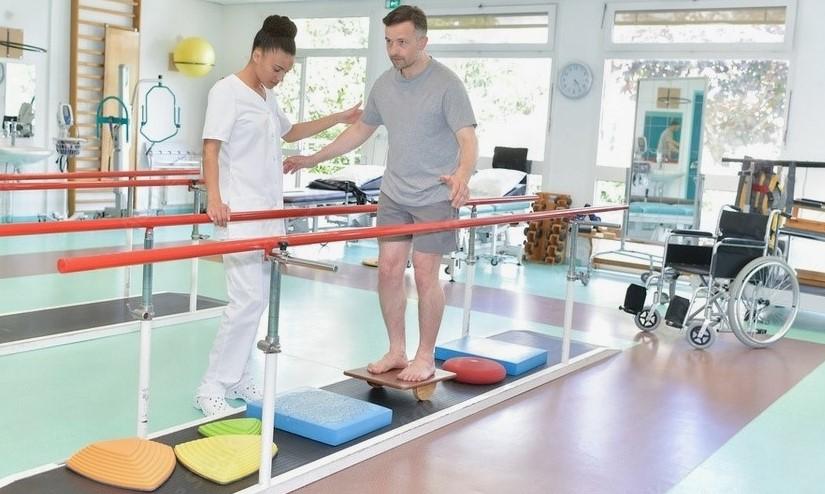
Patients searching for Vestibular Therapy Near Me may also encounter balance and habituation exercises. Balance activities can involve standing with different foot positions, shifting weight, walking in controlled patterns, or practicing movements that resemble daily tasks. Habituation exercises may be considered when particular movements or visual environments consistently provoke symptoms. These activities should be selected and progressed under professional guidance because exercises that are too difficult may increase symptoms unnecessarily.
Addressing Dizziness During Everyday Activities
Balance challenges often become most noticeable outside a treatment setting. A person may feel comfortable sitting in a quiet room but become unsteady while walking through a crowded store or turning to speak with someone. This is why rehabilitation may include functional activities that reflect the patient's actual routine. Practicing safe movements in a controlled environment can help identify which tasks need additional attention.
When considering Vestibular Therapy Near Me, patients should look for an approach that connects exercises with meaningful daily goals. Someone who wants to return to walking outdoors may need practice with head movements and changes in direction. Another person may want to improve confidence when getting dressed, using stairs, or moving around the kitchen. Treatment should reflect these individual priorities while maintaining appropriate safety precautions.
The Connection Between Balance, Strength, and Mobility
The vestibular system is only one part of maintaining stability. Leg strength, joint flexibility, posture, coordination, and sensation also contribute to safe movement. If someone has reduced strength or limited mobility, these factors may make balance challenges more difficult to manage. Physical therapy may therefore include strengthening, coordination, and functional movement activities alongside vestibular-specific exercises when appropriate.
A professional providing Vestibular Therapy Near Me should consider how different physical factors influence the patient's ability to move safely. For example, an individual who feels unsteady while standing may also need an assessment of lower-body strength and walking mechanics. Addressing these connected areas can help create a more complete rehabilitation plan. The exact exercises and level of supervision should depend on the person's health, abilities, and fall risk.
What to Expect From a Vestibular Therapy Appointment?
An initial appointment generally involves discussing symptoms, medical history, previous injuries, medications, and activities that have become difficult. The therapist may assess eye movements, head movement tolerance, posture, walking, and balance. Patients should describe their symptoms as clearly as possible, including what triggers them and whether they experience nausea, visual changes, or a spinning sensation.
Before beginning Vestibular Therapy Near Me, patients can ask how the assessment will guide treatment, what exercises may be included, and how progress will be monitored. Some exercises can temporarily bring on mild symptoms, but the level of challenge should be managed carefully. Patients should communicate when symptoms feel excessive, unusual, or different from their normal experience. Rehabilitation should be adjusted according to individual responses rather than following a fixed schedule.
Choosing the Right Physical Therapy Support
Finding appropriate care involves more than selecting a nearby clinic. Patients should consider whether the provider evaluates the specific balance concerns they are experiencing, explains treatment clearly, and develops a plan based on individual needs. It is also helpful to ask about home exercise instructions, safety recommendations, appointment expectations, and how treatment goals will be reviewed.
For individuals comparing Vestibular Therapy Near Me, Physical Therapy Advantage offers a physical therapy setting where balance, mobility, and functional movement concerns can be considered as part of rehabilitation. Patients can discuss their symptoms and goals with a qualified professional to understand which services may be appropriate. A clear treatment plan should include realistic expectations and guidance for managing daily activities safely.
When Dizziness Requires Medical Attention
Although vestibular rehabilitation can be helpful for certain balance disorders, dizziness may sometimes indicate a medical problem that requires prompt evaluation. Sudden severe dizziness accompanied by weakness, facial drooping, difficulty speaking, a severe unusual headache, double vision, chest pain, or difficulty walking should be treated as an emergency. New or unexplained symptoms should not be self-diagnosed or managed through exercises without appropriate medical advice.
Anyone searching for Vestibular Therapy Near Me should first make sure their symptoms have been appropriately evaluated. A physical therapist can help determine whether rehabilitation is suitable within their professional scope and may recommend medical follow-up when symptoms suggest another cause. This careful approach supports patient safety and helps ensure that treatment addresses the actual problem.
Conclusion
Balance affects nearly every part of daily life, from walking and changing direction to completing household activities with confidence. When dizziness, visual instability, or unsteadiness becomes persistent, Vestibular Therapy Near Me can be a useful starting point for learning about specialized rehabilitation options. A thorough evaluation helps identify the factors contributing to movement difficulties and guides the selection of appropriate exercises.
Physical Therapy Advantage recognizes the importance of individualized care that considers balance, strength, coordination, and everyday mobility. Vestibular rehabilitation may help suitable patients work toward better movement control and greater confidence in daily activities. With professional guidance, realistic goals, and a treatment plan based on individual needs, patients can take informed steps toward managing balance challenges and improving their quality of life.

 English
 Arabic
 French
 Spanish
 Portuguese
 Deutsch
 Dutch
 Italiano
 Russian
 Romaian
 Portuguese (Brazil)
 Greek
