
Catheter Care and Hydration: Supporting Urinary Health at Home
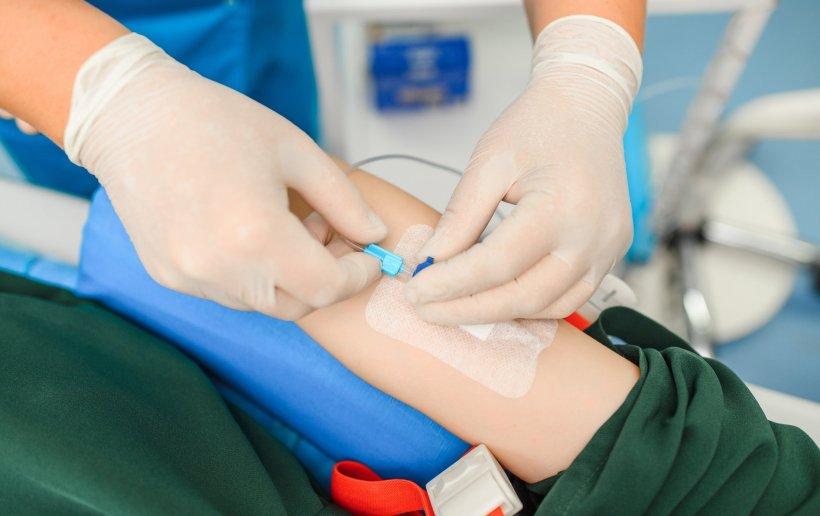
Maintaining proper hydration and catheter hygiene is essential for supporting urinary health and preventing complications in patients who rely on urinary catheters. Whether someone requires catheterization after surgery, experiences urinary retention, or has a long-term medical condition, appropriate daily care can make a significant difference in their comfort and well-being. Professional Catheter Care at Home Dubai services help patients receive personalized support while maintaining their independence in a familiar environment. Guidance from qualified nurses and a Doctor at Home can also help families understand the importance of fluid intake, drainage bag maintenance, and infection prevention. By combining proper hydration with consistent catheter care practices, patients and caregivers can support better urinary health and reduce avoidable risks.
Understanding the Connection Between Catheter Care and Hydration:
Hydration plays an important role in maintaining normal urinary function because water helps the kidneys produce urine and supports the body's fluid balance. For individuals using urinary catheters, appropriate fluid intake may help maintain urine flow and reduce excessive urine concentration. Concentrated urine can sometimes contribute to discomfort and the formation of urinary crystals or deposits, which may affect catheter drainage. However, drinking more water does not guarantee protection against catheter-associated urinary tract infections. Patients should maintain fluid intake according to their individual medical needs, particularly if they have kidney disease, heart conditions, or prescribed fluid restrictions. Healthcare professionals can recommend suitable hydration goals based on the patient's condition, medication, and treatment plan.
Why Proper Hydration Matters for Catheter Users:
Patients with urinary catheters may not always recognize when they are becoming dehydrated, especially older adults or individuals with limited mobility. Inadequate fluid intake can contribute to concentrated urine, reduced urine production, constipation, and general discomfort. Maintaining appropriate hydration supports kidney function and helps the body regulate its normal processes. However, fluid requirements differ from person to person, and excessive water consumption may be harmful for patients with certain medical conditions. Caregivers should encourage regular drinking throughout the day when permitted by the healthcare provider. Signs that may suggest dehydration include:
-
Dry mouth and increased thirst.
-
Darker or more concentrated urine.
-
Dizziness or lightheadedness.
-
Unusual tiredness or weakness.
-
Reduced urine output.
-
Dry skin or constipation.
These symptoms should be assessed in the context of the patient's overall health, as catheter users may experience similar changes due to other medical conditions.
Choosing Suitable Fluids to Support Urinary Health:
Water is generally the preferred drink for maintaining hydration because it supports normal bodily functions without adding unnecessary sugar or stimulants. Patients can distribute their fluid intake throughout the day rather than consuming large quantities at once. Depending on medical recommendations, other suitable options may include milk, clear soups, and unsweetened beverages. However, individuals with diabetes may need to consider the sugar content of certain drinks, while patients with kidney or heart conditions should follow their prescribed fluid restrictions. Caregivers should avoid encouraging excessive caffeine or sugary beverages, particularly when these drinks cause bladder discomfort or interfere with the patient's overall dietary plan. The most appropriate fluid choices should always reflect individual health requirements.
Maintaining Proper Catheter Hygiene Alongside Hydration:
Hydration alone cannot replace proper catheter hygiene and maintenance. Patients must follow daily cleaning practices to reduce contamination and maintain comfort around the catheter insertion area. Caregivers should wash their hands before and after handling the catheter or drainage bag and gently clean the surrounding genital area with mild soap and water. For women, cleaning should be performed from front to back, while men should follow appropriate genital hygiene instructions. The drainage system should remain closed unless a healthcare professional advises otherwise. Additional catheter hygiene practices include:
-
Keep the catheter tubing free from bends and twisting.
-
Ensure the drainage bag remains below bladder level.
-
Empty the drainage bag regularly before it becomes overly full.
-
Avoid placing the drainage bag directly on the floor.
-
Prevent the drainage outlet from touching unclean surfaces.
-
Check the surrounding skin for redness, swelling, or irritation.
Combining appropriate hydration with consistent hygiene supports safer catheter management at home.
Monitoring Urine Colour, Appearance, and Output:
Observing urine characteristics can help caregivers identify changes that may require medical attention. Normal urine colour can range from pale yellow to darker yellow depending on hydration, diet, medication, and other health factors. Darker urine may sometimes indicate concentrated urine, but colour alone cannot confirm dehydration or infection. Similarly, cloudy urine or an unusual smell does not necessarily indicate a urinary tract infection when no other symptoms are present. Patients and caregivers should pay attention to new or persistent changes, particularly when accompanied by fever, discomfort, or reduced urine drainage. If a healthcare professional recommends monitoring urine output, caregivers can maintain a simple record of the amount collected in the drainage bag and report significant changes.
Preventing Catheter Blockages and Drainage Problems:
Catheter blockages can develop when urine flow is interrupted by tubing kinks, sediment, crystals, or other obstructions. Inadequate hydration may contribute to concentrated urine in some patients, but increasing fluid intake will not resolve every blockage. Caregivers should regularly check the tubing to ensure it is not compressed beneath the patient's body or trapped between furniture. The drainage bag should remain positioned below the bladder to support gravity-assisted urine flow. Patients should never attempt to flush a catheter, insert objects into the tubing, or force urine through a suspected blockage unless specifically trained and instructed by a healthcare professional. If urine stops draining, the patient experiences bladder discomfort, or leakage develops, prompt medical assessment is important.
Recognizing Signs of Urinary Tract Infections:
Catheter-associated urinary tract infections are a possible complication of urinary catheterization. Bacteria can enter the urinary system through the catheter or drainage connections, making correct handling and hygiene essential. Patients and caregivers should recognize symptoms that may indicate an infection, including:
-
Fever or chills.
-
Pain or tenderness in the lower abdomen.
-
New discomfort around the catheter or bladder.
-
Blood in the urine that is new or increasing.
-
Unusual weakness or confusion, particularly in older adults.
-
General deterioration in the patient's condition.
Cloudy or foul-smelling urine alone is not sufficient to diagnose an infection. If concerning symptoms develop, patients should contact a healthcare professional for appropriate assessment. Fever, severe pain, or signs of serious illness require urgent medical attention.
Supporting Hydration and Catheter Care for Elderly Patients:
Older adults may require additional assistance with hydration and catheter maintenance because of reduced mobility, memory difficulties, medication use, or other medical conditions. Some elderly patients may not recognize thirst easily or may avoid drinking because they are concerned about frequent bag emptying. Caregivers can make hydration easier by offering permitted fluids regularly and keeping drinking water within reach. They should also help with safe movement, drainage bag positioning, and daily hygiene when necessary. However, fluid intake must be adjusted to any prescribed restrictions. Professional nursing support can help families develop a suitable care routine that considers the patient's age, mobility, medical history, and individual hydration requirements.
The Role of Professional Catheter Care at Home:
Managing catheter care and hydration can become challenging when patients require continuous assistance or have complex medical needs. Professional Catheter Care at Home Dubai services provide access to qualified nursing support, helping patients and families maintain appropriate hygiene, monitor catheter function, and understand potential complications. Trained nurses can educate caregivers about drainage bag maintenance, safe catheter handling, skin inspection, and symptoms that require medical attention. They can also help patients follow healthcare recommendations regarding hydration and daily routines. This personalized support can reduce caregiver uncertainty while allowing patients to receive essential care in a comfortable home environment.
Final Thoughts
Catheter care and proper hydration work together to support urinary health, patient comfort, and overall well-being at home. Maintaining appropriate fluid intake, following daily hygiene practices, monitoring urine changes, and ensuring proper drainage can help reduce avoidable complications. However, hydration requirements should always reflect individual medical conditions, and increased fluid intake should never replace professional assessment of catheter problems or possible infections. With appropriate guidance and professional Catheter Care at Home Dubai services, patients and caregivers can establish a safe, consistent routine that supports comfort, confidence, and better everyday health.

 English
 Arabic
 French
 Spanish
 Portuguese
 Turkish
 Dutch
 Italiano
 Russian
 Romaian
 Portuguese (Brazil)
 Greek
