
How to Create an Effective GEO Content Calendar for AI Search Visibility
Content marketing is an important part of building a strong online presence. However, as AI-powered search platforms change how people discover information, businesses need to think more strategically about what they publish, when they publish it, and how different topics connect.
A Generative Engine Optimization (GEO) content calendar can help businesses organize their publishing activities around audience questions, relevant industry topics, and opportunities to improve AI search visibility.
Rather than creating content randomly, a structured calendar provides a clear direction for long-term digital marketing efforts.
1. Define Your GEO Content Goals
Before planning articles, identify what you want your content strategy to achieve.
Your goals might include:
-
Improving brand visibility in AI-powered search.
-
Answering common customer questions.
-
Building authority around important industry topics.
-
Explaining your products and services.
-
Creating useful resources for potential customers.
-
Identifying content gaps compared with competitors.
Clear goals help you select relevant topics and measure whether your content activities are supporting your business objectives.
2. Research Your Audience's Questions
A successful GEO content calendar should begin with audience research.
Think about the questions potential customers ask when researching your industry. These questions can provide valuable ideas for articles, guides, comparison pages, and FAQs.
For example, businesses focusing on GEO could explore questions such as:
-
What is Generative Engine Optimization?
-
How can brands measure AI search visibility?
-
Why do some brands appear in AI-generated answers?
-
How does GEO differ from traditional SEO?
-
What makes website content useful for AI search?
Organize these questions according to their relevance and importance to your audience.
3. Create Content Categories
Publishing content across different categories helps maintain a balanced strategy.
Consider organizing your GEO calendar around these themes:
Educational content: Explain GEO concepts, AI search developments, and optimization fundamentals.
Practical guides: Share step-by-step advice, tutorials, and useful optimization techniques.
Comparison articles: Explain differences between tools, approaches, and digital marketing strategies.
Industry insights: Discuss relevant trends, research, and changes in online discovery.
Brand-focused content: Explain your services, expertise, and the problems your platform addresses.
These categories make it easier to plan diverse content without repeatedly covering the same subject.
4. Build Topic Clusters
A topic cluster is a group of related articles organized around a central subject.
For example, a GEO content cluster could include:
-
A main guide to Generative Engine Optimization.
-
An article about tracking AI brand mentions.
-
A guide to improving website content for AI discovery.
-
An article explaining GEO reporting metrics.
-
A comparison of traditional SEO and GEO.
Connect these articles using relevant internal links. This creates a more organized content experience and helps readers explore related information.
5. Choose a Realistic Publishing Schedule
Consistency is more valuable than publishing a large amount of content without a clear purpose.
Choose a publishing frequency that your team can maintain while preserving content quality.
For example, a simple monthly calendar could look like this:
| Week | Content Type | Topic |
|---|---|---|
| Week 1 | Educational blog | Understanding GEO fundamentals |
| Week 2 | Practical guide | Improving content for AI discovery |
| Week 3 | Industry article | Changes in AI-powered search |
| Week 4 | Comparison article | GEO versus traditional SEO |
Adjust this schedule according to your available resources, audience needs, and industry developments.
6. Prioritize Content Quality Over Quantity
A content calendar should guide meaningful publishing, not encourage unnecessary articles.
Before publishing, make sure every piece of content:
-
Addresses a clear audience question.
-
Provides accurate and useful information.
-
Uses descriptive headings.
-
Includes relevant examples.
-
Avoids unnecessary repetition.
-
Links to trustworthy resources where appropriate.
-
Has a clear purpose.
Well-organized content can provide lasting value to visitors and support a stronger website experience.
7. Review and Update Existing Articles
A GEO content calendar should include content maintenance as well as new publishing activities.
Review older articles to identify outdated information, missing explanations, broken links, and opportunities to improve clarity.
For rapidly changing subjects such as AI search, regular reviews can help ensure your content remains relevant.
Make meaningful updates rather than changing publication dates without improving the information.
8. Monitor Your AI Search Visibility
Publishing content is only one part of an effective GEO strategy. Businesses should also monitor how their brands appear across relevant AI-powered search experiences.
Track selected industry questions and examine:
-
Whether your brand appears in responses.
-
How accurately your business is described.
-
Which competitors receive mentions.
-
What topics create visibility opportunities.
-
Which content areas may need improvement.
AI-generated responses can vary across platforms and queries, so use consistent questions and review patterns over time.
9. Use Lunocode to Explore GEO Opportunities
Managing content and understanding AI search visibility can become challenging as your digital presence grows.
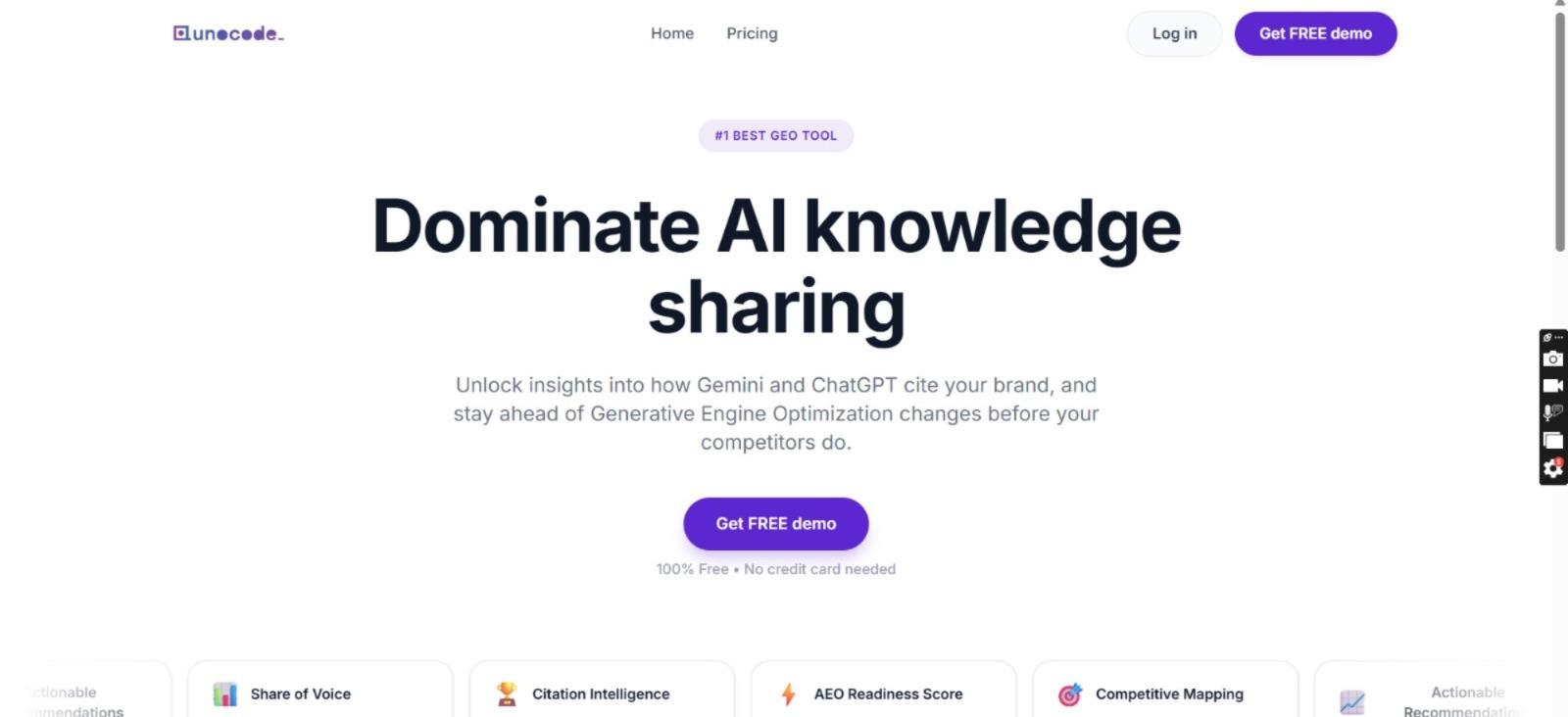
Lunocode is a GEO-focused platform that helps businesses explore their brand visibility across AI-powered search experiences and identify opportunities to strengthen their online presence.
By combining content planning with visibility monitoring, businesses can make more informed decisions about their digital marketing activities.
Explore https://lunocode.eu/ to learn more about Lunocode.
Conclusion
An effective GEO content calendar provides structure to your digital marketing strategy. It helps businesses organize audience questions, develop related content, maintain consistent publishing, and identify opportunities for improvement.
Focus on creating useful resources rather than publishing content simply to fill a schedule. Combine thoughtful planning with regular content reviews and AI visibility monitoring to build a stronger foundation for long-term online discovery.
As AI-powered search continues to evolve, a well-planned and audience-focused content strategy can help your business adapt with confidence.
Website - https://lunocode.eu/

 English
 Arabic
 French
 Spanish
 Deutsch
 Turkish
 Dutch
 Italiano
 Russian
 Romaian
 Portuguese (Brazil)
 Greek
