
EPDM vs. TPO: Choosing a Membrane for Your Brooklyn Flat Roof
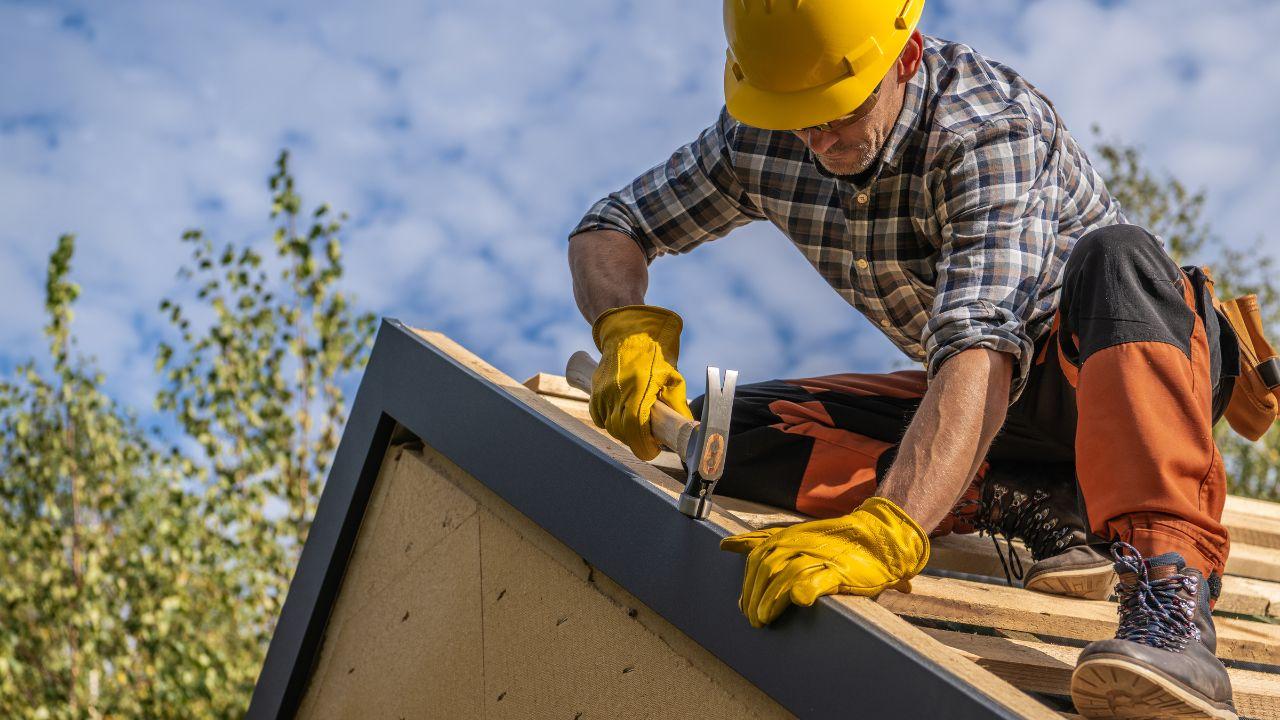
Ask three roofers which single-ply membrane is better, EPDM or TPO, and you'll likely get three different answers delivered with equal confidence. The honest answer is that both are solid, widely used systems, and the right choice depends on the specifics of the building, the roof's exposure, and what the owner cares most about: cost, energy performance, or long-term ponding resistance.
What EPDM Brings to the Table
EPDM, short for ethylene propylene diene monomer, is a black rubber membrane that's been used on flat roofs for decades. Its track record is one of its biggest selling points. It handles freeze-thaw cycling well, which matters in a climate where Brooklyn roofs go through repeated freezing and thawing each winter. It also tolerates ponding water better than many alternatives, which is relevant on older roofs where the original slope wasn't built with perfect drainage.
EPDM seams are typically bonded with adhesive or taped, and the material itself is flexible enough to handle a building's natural expansion and contraction without cracking. The tradeoff is color and heat. A black EPDM roof absorbs solar heat rather than reflecting it, which can push up cooling costs in a top-floor unit during summer.
What TPO Brings to the Table
TPO, or thermoplastic polyolefin, is a newer single-ply membrane, usually installed in white or light gray. Its reflective surface is the headline feature: it bounces back a significant amount of solar radiation instead of absorbing it, which can meaningfully reduce heat gain in the top-floor spaces below. That's a real consideration in a building with a finished or semi-finished top floor, where summer comfort and air conditioning costs are a concern. The ENERGY STAR program has long recognized reflective roofing as a factor in reducing building cooling loads.
TPO seams are heat-welded rather than taped, which, when done correctly, creates a very strong bond. The material has improved significantly over the past couple of decades, though as with any product, not all TPO membranes and installation jobs are equal, so installation quality matters as much as the material choice itself.
Matching the Material to the Building
For a row house with a simple rear flat roof addition and no particular heat concerns, EPDM's long track record and ponding tolerance often make it the simpler, more cost-predictable choice. For a building where the top floor runs hot in summer, or where the owner is specifically trying to manage energy costs, TPO's reflectivity is a genuine advantage worth factoring into the decision.
Neither membrane is a universal answer, and what works well on a neighbor's roof isn't automatically right for yours, since factors like roof slope, drainage layout, parapet height, and penetrations (vents, stacks, AC units) all affect which system performs best. That's really a site-specific question, which is why talking to a Brooklyn roofing contractor who can walk the roof and look at drainage, flashing, and sun exposure before recommending a membrane tends to produce a better outcome than picking a material off a spec sheet alone.
A Few Practical Notes
Both systems are typically installed over new or repaired decking, with attention paid to flashing at walls, parapets, and any roof penetrations, since membrane failures at these transition points cause more leaks than failures in the open field of the roof. Both also benefit from periodic inspection, particularly checking that drains and scuppers stay clear of debris, since standing water stresses seams over time regardless of which membrane is underneath it.
Whichever system ends up on your roof, ask for specifics: seam type, membrane thickness, how flashing will be detailed at parapets and penetrations, and what the installer's warranty covers. Those details matter more to how long the roof lasts than the EPDM-versus-TPO debate alone.
Thinking Beyond the Membrane Itself
It's worth remembering that the membrane is only one part of a flat roof system. Insulation beneath the membrane, the condition of the deck it's fastened or adhered to, and the quality of the tie-ins at every wall and penetration all affect how the finished roof performs, regardless of which single-ply material sits on top. A premium membrane installed over a poorly prepped deck or with sloppy flashing work will underperform a mid-range membrane installed carefully. That's a useful thing to keep in mind when comparing quotes that differ mainly on brand name rather than on installation detail.

 English
 Arabic
 French
 Spanish
 Portuguese
 Deutsch
 Dutch
 Italiano
 Russian
 Romaian
 Portuguese (Brazil)
 Greek
