
How Australian Climate Impacts Inverter Lifespan in Commercial Solar Setups
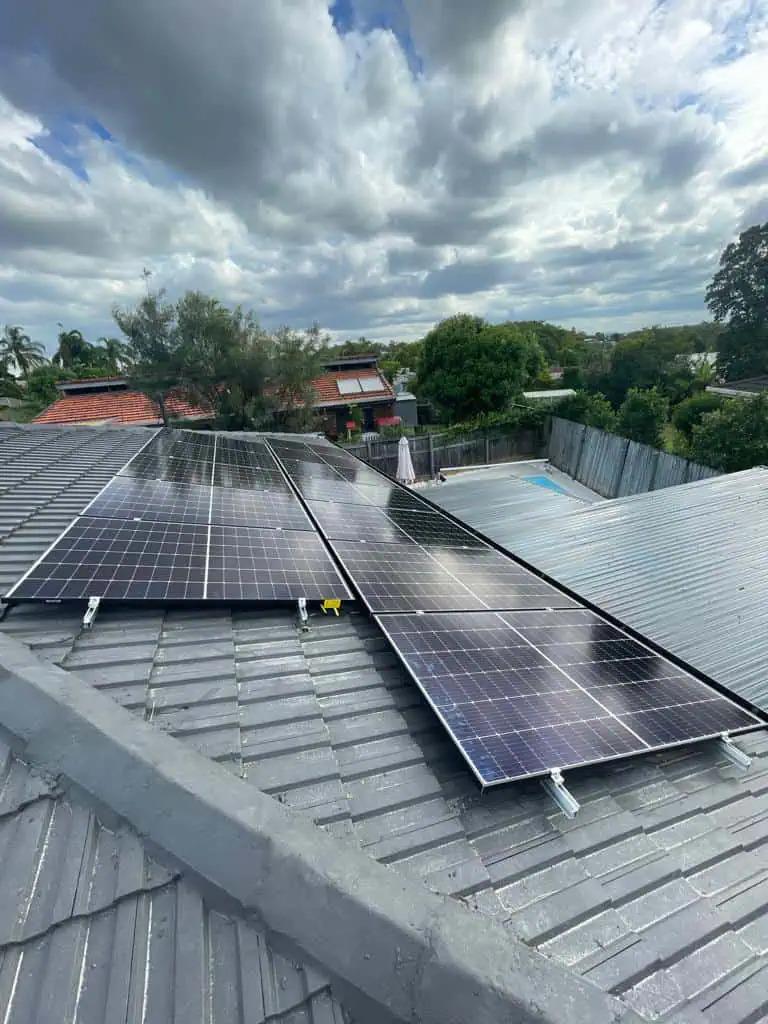
In a commercial solar system, solar panels often receive most of the attention, but the inverter is equally important. It converts the direct current (DC) electricity generated by solar panels into alternating current (AC) electricity that a business can use or export to the grid.
Understanding how Australian climate impacts inverter lifespan in commercial solar setups can help businesses select suitable equipment, plan installation locations, and establish effective maintenance routines.
Why Inverter Lifespan Matters
An inverter is a critical component of a commercial solar installation. Even if the solar panels continue producing electricity, an inverter fault can prevent that energy from being converted into usable AC power.
The expected lifespan of an inverter depends on several factors, including equipment quality, operating conditions, installation practices, maintenance, system loading, and environmental exposure.
Climate is therefore an important consideration when designing a commercial solar system.
How Australian Heat Affects Inverters
High temperatures are one of the biggest environmental challenges for solar inverters.
Electronic components generate heat during normal operation. When the surrounding temperature is already high, the inverter may have greater difficulty dissipating that heat.
Excessive heat can contribute to:
- Thermal stress on electronic components
- Reduced inverter efficiency
- Increased cooling requirements
- More frequent thermal protection events
- Faster ageing of internal components
- Potential reduction in operational lifespan
Australia's hot summers can therefore place additional stress on commercial solar equipment, particularly when inverters are installed in locations exposed to direct sunlight or poor airflow.
Choosing the Right Installation Location
Where an inverter is installed can have a major impact on its operating temperature.
Installing an inverter in direct sunlight can expose it to temperatures considerably higher than the surrounding air temperature. A shaded, well-ventilated location may provide more favourable operating conditions.
However, the installation location must always meet the manufacturer's requirements for clearances, ventilation, environmental conditions, and accessibility.
Humidity and Moisture Exposure
Australia also has regions with high humidity and substantial rainfall. Moisture can be problematic for electrical equipment if the inverter or its connections are not appropriately protected.
Commercial systems located in humid environments should therefore use equipment with an appropriate environmental protection rating and be installed according to manufacturer specifications.
Proper cable management, enclosure protection, and regular inspection can also help identify moisture-related issues before they become more serious.
Coastal Areas and Salt Air
Businesses located near Australia's coastline face another environmental challenge: salt-laden air.
Commercial solar installations in coastal environments should therefore consider equipment specifically suited to the local conditions.
Regular inspection is also valuable because early identification of corrosion can prevent relatively minor environmental damage from developing into a larger electrical problem.
Dust and Harsh Australian Environments
Dust can be another concern, particularly for agricultural businesses, warehouses, mining-related facilities, and commercial properties located in dry or rural areas.
Keeping the surrounding area clean and ensuring that ventilation pathways are not obstructed can support proper heat dissipation.
Extreme Weather and Inverter Protection
Australian businesses can experience storms, heavy rainfall, strong winds, and other severe weather conditions. While appropriately rated equipment is designed to withstand specified environmental conditions, extreme events can still create risks.
A commercial solar installation should therefore include appropriate electrical protection based on the system design, location, and applicable standards.
How Maintenance Can Extend Inverter Performance
Climate-related risks cannot always be eliminated, but regular maintenance can help reduce their impact.
Businesses should consider periodic professional inspections to check for:
- Error codes and warning messages
- Unusual operating temperatures
- Damaged cables or connectors
- Corrosion
- Blocked ventilation areas
- Physical damage
- Dust accumulation
- Unusual system performance
Solar monitoring can also help businesses identify changes in inverter performance. A sudden drop in generation or recurring fault notifications may indicate that further investigation is required.
Selecting an Inverter for Australia's Climate
When choosing an inverter for a commercial solar project, businesses should look beyond its basic capacity and price.
Important considerations can include:
- Operating temperature range
- Environmental protection rating
- Cooling method
- Manufacturer specifications
- Warranty terms
- Monitoring capabilities
- Installation requirements
- Availability of replacement parts and service
The appropriate inverter should match both the electrical requirements of the solar system and the environmental conditions at the installation site.
Conclusion
Australia's diverse climate can have a meaningful effect on the operating conditions and potential lifespan of commercial solar inverters. Extreme heat, humidity, salt air, dust, moisture, and severe weather can all place additional stress on electronic equipment.
Peak Load Management Using Commercial Solar Panel Installation in Manufacturing Facilities
Solar vs Grid Electricity Costs: ROI Calculation Guide for Businesses

 English
 French
 Spanish
 Portuguese
 Deutsch
 Turkish
 Dutch
 Italiano
 Russian
 Romaian
 Portuguese (Brazil)
 Greek
