
Understanding the Importance of a Certified Surgical Supply Store and Medical Equipment Shop
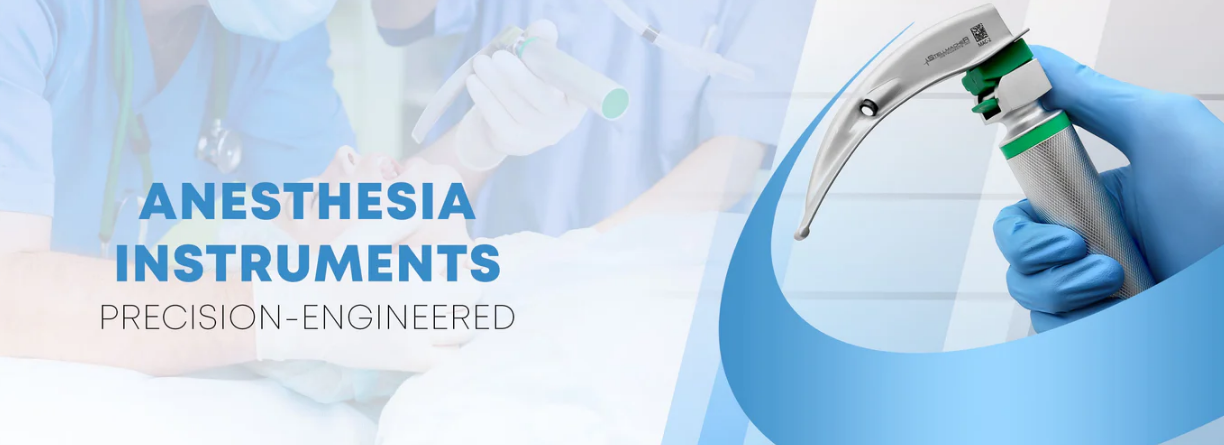
Certification is one of those details that can be easy to overlook when a supplier's catalog looks impressive and their prices seem reasonable. Yet in healthcare, certification isn't a formality or a marketing badge; it's the underlying proof that a surgical supply store or medical equipment shop can be trusted with products that directly affect patient safety. Understanding what certification actually guarantees, and why it matters so much, helps providers make procurement decisions with far more confidence.
1. Certification Confirms Product Safety Standards:
At its core, certification verifies that a product has been manufactured, tested, and handled according to recognized safety standards. For surgical instruments and medical equipment, this means confirming that materials, sterilization processes, and design specifications meet the requirements set by regulatory bodies. Without this verification, a provider has no reliable way to know whether an instrument or device will perform safely under clinical conditions.
2. It Signals Regulatory Compliance:
A certified surgical supply store or medical equipment shop operates within a framework of regulatory requirements, including FDA registration where applicable and adherence to quality management standards such as ISO 13485. This compliance isn't just paperwork; it reflects a supplier's ongoing commitment to operating within the legal and clinical standards that protect both providers and patients from substandard products entering the healthcare system.
3. Certification Reduces Liability Risk for Providers:
When a healthcare provider sources equipment from a certified supplier, they gain a documented layer of protection if a product issue ever arises. Certification records and quality documentation provide evidence that reasonable due diligence was exercised in selecting a supplier, which matters significantly in the rare cases where liability questions come up following an adverse event or product failure.
4. It Reflects Consistent Manufacturing and Quality Control:
Certification isn't a one-time achievement; it requires ongoing adherence to quality management practices, regular audits, and consistent manufacturing standards. A certified supplier has demonstrated, through this ongoing process, that its products are not just safe on paper but consistently reliable in practice, batch after batch and order after order.
5. Certified Suppliers Handle Recalls and Adverse Events Properly:
Part of what certification requires is a proper system for tracking products, responding to recalls, and reporting adverse events when they occur. This matters enormously to healthcare providers, since a supplier without these systems in place may be slow or unable to notify facilities of a safety issue, leaving patients exposed to unnecessary risk in the meantime.
6. It Builds a Foundation of Trust With Clinical Staff:
Surgeons, nurses, and clinical staff need to trust the tools and equipment they use without hesitation during a procedure. Knowing that a supplier is properly certified gives clinical teams confidence that the equipment in front of them has passed rigorous safety checks, allowing them to focus fully on patient care rather than questioning the reliability of their tools.
7. Certification Supports Smoother Audits and Inspections:
Healthcare facilities are regularly subject to audits and inspections from regulatory bodies and accrediting organizations. Working with certified suppliers makes this process considerably smoother, since proper documentation and certification records are readily available to demonstrate compliance, rather than leaving a facility scrambling to justify its supply chain decisions after the fact.
8. It Distinguishes Legitimate Suppliers From Unreliable Ones:
Unfortunately, the medical supply industry isn't immune to counterfeit or substandard products entering the market. Certification acts as a meaningful filter, helping providers distinguish established, legitimate suppliers from those cutting corners on quality or sourcing from unverified manufacturers. This distinction becomes especially important when providers are considering a new or unfamiliar vendor.
9. Certified Suppliers Tend to Invest More in Long-Term Reliability:
Achieving and maintaining certification requires real investment in quality systems, staff training, and infrastructure. Suppliers willing to make this investment tend to also invest in the other things that matter to providers, such as reliable inventory management, responsive customer service, and long-term supply chain stability, making certification a useful signal of overall supplier quality.
Conclusion:
Certification is far more than a checkbox on a procurement form. It represents a supplier's demonstrated commitment to safety, regulatory compliance, and consistent quality, all of which directly affect patient outcomes. For healthcare providers, choosing a certified surgical supply store or medical equipment shop isn't just good practice; it's one of the clearest ways to protect patients, reduce institutional risk, and build a supply chain that can be trusted for the long term.

 English
 Arabic
 French
 Spanish
 Portuguese
 Deutsch
 Turkish
 Dutch
 Italiano
 Russian
 Portuguese (Brazil)
 Greek
