
What Is the Role of Liposuction in Lipedema Treatment?
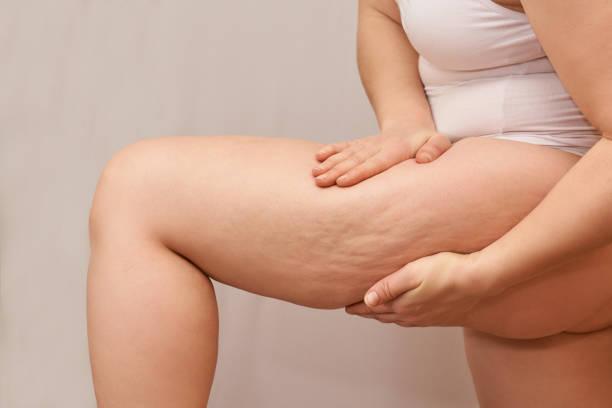
Lipedema is a chronic condition that causes an abnormal accumulation of fat tissue, usually around the hips, thighs, buttocks, and legs. It can lead to tenderness, pain, easy bruising, swelling, and difficulty with everyday movement. While conservative treatments may help manage symptoms, some individuals continue to experience discomfort that affects their quality of life. In such cases, specialized liposuction may be considered as part of a comprehensive treatment approach. Understanding Treatment of lipedema in Riyadh (علاج الوذمة الشحمية في الرياض) helps patients learn how this procedure works, who may benefit from it, and what factors should be considered before treatment.
Unlike conventional cosmetic liposuction, liposuction for lipedema is intended to remove abnormal fat deposits associated with the condition while carefully protecting surrounding structures, particularly lymphatic vessels. It may help reduce limb volume, tenderness, and physical discomfort in appropriately selected patients. However, it is not a guaranteed cure, and some symptoms may continue after surgery. Exploring Treatment of lipedema in Riyadh allows individuals to understand the role of specialized surgical techniques alongside non-surgical management and long-term follow-up.
What Is Liposuction for Lipedema?
Liposuction for lipedema is a specialized surgical procedure designed to remove excess lipedema-affected fat tissue from areas such as the thighs, hips, knees, lower legs, and arms.
The main objective is not simply to change body shape. Instead, the procedure aims to reduce the abnormal fat accumulation that contributes to pain, heaviness, restricted movement, and other symptoms.
Specialized techniques are selected to minimize trauma to surrounding tissues and protect lymphatic structures as much as possible. The appropriate approach depends on the patient's condition, affected areas, and overall health.
How Does Liposuction Help Treat Lipedema?
Liposuction may provide several benefits for individuals with symptomatic lipedema. Its effectiveness varies according to the severity of the condition, surgical technique, and individual healing response.
Reduction of Abnormal Fat Tissue
The procedure removes some of the excess fat deposits associated with lipedema. This may reduce the size and weight of affected areas, helping improve physical comfort.
Relief From Pain and Tenderness
Some patients experience a reduction in tenderness and pain after specialized lipedema liposuction. However, the degree of improvement differs between individuals, and complete pain relief cannot be guaranteed.
Improved Mobility
Excessive fat accumulation around the thighs, knees, and lower legs may make walking, bending, and other daily activities uncomfortable. Reducing affected tissue may improve movement and make certain physical activities easier.
Better Limb Proportions
Lipedema can create a disproportionate appearance between the upper and lower body. Removing selected areas of affected tissue may improve limb proportions, although the primary medical goal is symptom management rather than cosmetic enhancement.
Which Liposuction Techniques Are Used for Lipedema?
The surgical approach should be selected according to the patient's condition and the surgeon's expertise. Techniques designed to minimize damage to lymphatic structures are particularly important.
Tumescent Liposuction
Tumescent liposuction involves introducing a specialized fluid into the treatment area before removing fat. This fluid helps prepare the tissue for removal and may reduce bleeding during the procedure.
Water-Assisted Liposuction
Water-assisted liposuction uses a controlled stream of fluid to help separate fat cells from surrounding tissue. It may be considered for selected patients as part of a lymphatic-conscious surgical approach.
Power-Assisted Liposuction
Power-assisted liposuction uses a vibrating cannula to help loosen and remove fat tissue. Its suitability depends on the treatment area, tissue characteristics, and surgeon's experience.
No single technique is ideal for every patient. The surgeon should explain the proposed method and how it is intended to protect surrounding structures.
Who May Be a Suitable Candidate for Lipedema Liposuction?
Not everyone diagnosed with lipedema needs surgery. A specialist may consider liposuction for individuals who experience persistent symptoms or significant functional difficulties despite appropriate conservative management.
Potential candidates may include people who:
-
Have a confirmed diagnosis of lipedema.
-
Experience ongoing pain, tenderness, or heaviness.
-
Have difficulty with mobility or everyday activities.
-
Have not achieved sufficient symptom relief through conservative care.
-
Are medically suitable for surgery and understand its potential risks.
-
Have realistic expectations about recovery and possible results.
A detailed medical evaluation is necessary before deciding whether surgery is appropriate.
What Happens During Lipedema Liposuction?
The treatment process generally begins with a consultation and assessment of the affected areas. The surgeon reviews medical history, examines fat distribution, and discusses the patient's symptoms and treatment goals.
If surgery is considered appropriate, the treatment areas and surgical technique are planned. The procedure is performed using anesthesia selected according to the surgical plan.
After surgery, patients receive instructions about wound care, movement, compression garments, and follow-up appointments. Recovery varies depending on the number of areas treated and individual healing.
What Is Recovery Like After Lipedema Liposuction?
Recovery is an important part of the overall treatment process. Patients may experience temporary swelling, bruising, tenderness, and fluid drainage after the procedure.
The recovery plan may include:
-
Wearing prescribed compression garments.
-
Following wound-care instructions.
-
Gradually returning to normal physical activities.
-
Attending scheduled follow-up appointments.
-
Following medical guidance about exercise and movement.
Swelling may take time to settle, and final improvements should not be judged immediately after surgery. Patients should contact their healthcare provider if they experience severe or worsening pain, fever, unusual redness, or other concerning symptoms.
Can Liposuction Cure Lipedema Permanently?
Liposuction can remove some of the abnormal fat tissue and may provide long-term improvement in symptoms for selected patients. However, it does not guarantee a permanent cure.
Lipedema is a chronic condition, and symptoms or tissue changes may persist or develop in other areas. Some individuals may continue to benefit from compression, physical activity, and other supportive management after surgery.
Understanding Treatment of lipedema in Riyadh involves recognizing that surgery is one part of a broader care plan rather than a replacement for ongoing management.
Why Is Specialist Assessment Important Before Lipedema Liposuction?
Lipedema can sometimes be confused with obesity, lymphedema, or other causes of limb enlargement. A proper diagnosis helps determine whether surgery is appropriate and which areas may benefit from treatment.
A specialist assessment should consider the patient's symptoms, medical history, lymphatic health, physical condition, and treatment expectations. Choosing a surgeon experienced in lipedema procedures is important because the technique must account for the condition's effects on surrounding tissues.
Book Your Appointment at Royal Clinic Saudia
If you experience persistent tenderness, unusual fat accumulation, or discomfort associated with suspected lipedema, a professional consultation can help you understand your treatment options. Royal Clinic Saudia (عيادات رويال كلينك) provides consultations to help individuals explore suitable approaches according to their symptoms and health needs. Book an appointment to discuss your concerns and learn whether specialized lipedema treatment may be appropriate.
FAQs:
Is Liposuction an Effective Treatment for Lipedema?
Specialized liposuction may help reduce abnormal fat tissue, limb volume, pain, and mobility difficulties in selected patients. Results vary, and the procedure does not guarantee a complete cure.
Is Lipedema Liposuction Different From Cosmetic Liposuction?
Yes. Lipedema liposuction focuses on removing affected fat tissue while protecting lymphatic structures as much as possible. It has different medical goals from conventional cosmetic body-contouring procedures.
Can Lipedema Return After Liposuction?
Liposuction removes treated fat cells, but it does not eliminate the underlying condition. Symptoms may persist or develop in other areas, so ongoing management and follow-up may still be necessary.
Do Patients Need Compression Garments After Lipedema Liposuction?
Compression garments are commonly recommended after surgery to support recovery and help manage swelling. The duration and type of compression depend on the surgeon's instructions and the patient's individual needs.

 Arabic
 French
 Spanish
 Portuguese
 Deutsch
 Turkish
 Dutch
 Italiano
 Russian
 Romaian
 Portuguese (Brazil)
 Greek
