
Water Security in Gurgaon: An Overlooked Factor When Choosing a Residential Property
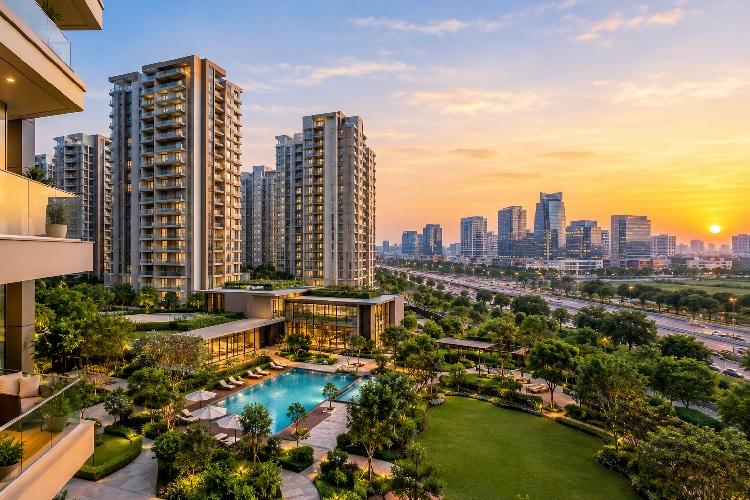
When people evaluate residential property in Gurgaon, they usually compare location, apartment size, amenities, connectivity, and price. However, one important factor often receives less attention: water security.
Water availability directly affects everyday comfort in a residential community. It influences household expenses, maintenance requirements, landscaping, and the long-term sustainability of a housing project.
As Gurgaon continues to expand, buyers should look beyond attractive buildings and clubhouse facilities. They should understand how a residential project manages its water resources and prepares for future demand.
This is particularly important for people purchasing premium apartments or planning to hold a property for several years.
Why Water Management Matters in Gurgaon
Gurgaon has experienced significant residential and commercial development. Growing population density and expanding construction have increased pressure on local infrastructure.
Water requirements extend beyond drinking and cooking. Residential communities also need water for cleaning, gardening, sanitation, swimming pools, and other common facilities.
A large housing society may have hundreds of households sharing the same water infrastructure. If the system is poorly planned, residents may experience inconsistent supply, higher maintenance costs, or dependence on external water tankers.
For homebuyers, this creates an important question: does the project have a reliable and responsible water management system?
A property's location may look attractive today, but its long-term livability also depends on essential services.
Rainwater Harvesting Should Be More Than a Marketing Feature
Rainwater harvesting is an important component of sustainable residential planning.
The basic principle is straightforward. Rainwater collected from rooftops and suitable paved areas can be directed through filtration systems into storage or groundwater recharge structures.
However, installing harvesting pits does not automatically guarantee an effective system.
Buyers should understand whether the project has properly designed collection areas, functional filtration arrangements, suitable recharge structures, and a maintenance plan.
They can ask the developer or facility management team how frequently the system is inspected and maintained.
For completed projects, residents may also provide useful information about whether rainwater harvesting infrastructure actually functions during the monsoon.
A well-maintained system can support responsible water management, although it should not be considered a replacement for a reliable water supply.
Wastewater Treatment Can Improve Resource Efficiency
Modern residential developments generate considerable wastewater from bathrooms, kitchens, laundry, and other household activities.
Sewage treatment plants, commonly called STPs, help process wastewater before it is reused or safely discharged according to applicable standards.
Treated wastewater may be suitable for approved non-potable applications, such as landscaping, flushing, and certain maintenance activities, depending on its treatment quality and regulatory requirements.
This can reduce dependence on freshwater for activities that do not require drinking-quality water.
However, the presence of an STP alone is not enough. Its operating condition, treatment capacity, maintenance schedule, and compliance records are important.
Buyers should ask whether the facility operates consistently and whether treated water is regularly tested.
A residential society with effective wastewater treatment can manage resources more responsibly and potentially improve operational efficiency.
Examine Water Supply Arrangements Before Booking
Not every residential project has the same water supply arrangements.
Depending on the location and project approvals, a development may rely on available municipal infrastructure, authorised external supply, groundwater permissions, or a combination of sources.
Buyers should ask specific questions instead of accepting general statements about uninterrupted water availability.
Important questions include:
- What are the approved sources of water?
- Is the project connected to an operational public water network?
- Does it have adequate storage capacity?
- Are backup arrangements available?
- How are water quality and supply consistency monitored?
- Are there additional water-related maintenance charges?
For under-construction developments, buyers should request information about the proposed water infrastructure and verify relevant approvals.
For completed societies, they should speak with existing residents about actual supply conditions.
Landscaping and Amenities Also Influence Water Consumption
Premium residential projects often feature landscaped gardens, swimming pools, water features, and extensive outdoor spaces.
These facilities improve the residential experience, but they also require ongoing resources.
A thoughtfully designed landscape can reduce unnecessary water consumption. Native plants, climate-appropriate vegetation, efficient irrigation, and sensible landscaping layouts can make a difference.
Drip irrigation and automated watering systems can help control water use when properly installed and maintained.
Buyers should consider whether a project's landscaping has been designed for local weather conditions rather than relying entirely on decorative features.
This is particularly relevant when comparing large residential communities with extensive outdoor amenities.
How Sustainable Infrastructure Can Affect Property Ownership Costs
A property's monthly maintenance charges are influenced by several factors, including security, housekeeping, lifts, electricity, landscaping, equipment maintenance, and water management.
Poorly maintained water infrastructure can create additional expenses.
For example, frequent tanker purchases, inefficient pumping systems, leakage, and repeated equipment repairs can increase operating costs.
A properly planned system may help reduce avoidable wastage and improve resource efficiency. However, sustainable infrastructure also requires regular investment and maintenance.
Buyers should therefore examine the actual maintenance structure instead of assuming that every green feature will automatically reduce expenses.
When comparing properties, it is useful to understand which facilities are operational, who manages them, and how their costs are shared among residents.
Evaluate Upcoming Residential Developments Through a Sustainability Lens
Gurgaon's residential market includes established neighbourhoods as well as new development corridors.
Buyers researching Upcoming DLF Projects in Gurgaon should consider sustainability alongside location, price, apartment configuration, and developer reputation.
The presence of modern amenities does not necessarily indicate strong environmental performance.
A more meaningful assessment examines water conservation, wastewater treatment, energy-efficient common areas, waste management, and the long-term maintenance of shared infrastructure.
It is also important to distinguish between proposed features and facilities that have actually been installed and commissioned.
Project brochures can introduce buyers to planned amenities, but technical documents, regulatory approvals, and site inspections provide a stronger basis for evaluation.
Questions Every Homebuyer Should Ask
Before making a booking decision, buyers should request clear information about the project's essential infrastructure.
For water management, they should understand the source of supply, storage arrangements, rainwater harvesting facilities, wastewater treatment capacity, and reuse practices.
They should also examine whether the project has adequate provisions for future maintenance.
For under-construction properties, buyers should verify the relevant project documents and completion obligations. HRERA registration details and applicable approvals should be checked independently.
For completed properties, a physical inspection and conversation with residents can reveal practical issues that promotional material may not mention.
Conclusion
A residential property should provide more than attractive architecture and lifestyle amenities. It should support comfortable living through dependable infrastructure.
In Gurgaon, water management deserves a place in every serious property evaluation. Rainwater harvesting, wastewater treatment, responsible landscaping, and reliable supply arrangements can contribute to better resource management.
Buyers who examine these factors can understand the practical strengths and limitations of a residential project before investing.
The most suitable property is not necessarily the one with the longest amenity list. It is one that combines comfortable living, responsible resource use, reliable infrastructure, and sustainable long-term management.
Frequently Asked Questions
1. Why should homebuyers check water availability before purchasing property in Gurgaon?
Water availability affects everyday household activities, hygiene, landscaping, and residential maintenance. Buyers should understand the project's approved water sources, storage capacity, backup arrangements, and supply consistency. A property with poorly planned water infrastructure may create inconvenience and additional expenses after possession.
2. What is rainwater harvesting in residential projects?
Rainwater harvesting involves collecting rainwater from rooftops and suitable surfaces. The collected water can be filtered and stored or directed into groundwater recharge structures. Its effectiveness depends on proper design, installation, and regular maintenance. Buyers should verify whether the system is functional rather than relying only on brochure descriptions.
3. What is an STP in a residential society?
An STP, or sewage treatment plant, processes wastewater generated within a residential community. Properly treated wastewater may be reused for suitable non-drinking purposes, subject to applicable standards. Buyers should examine the plant's capacity, operating condition, maintenance arrangements, and water quality monitoring practices.
4. Does treated wastewater reduce freshwater consumption?
Yes, treated wastewater can reduce freshwater requirements when it is safely reused for suitable purposes. Common applications may include gardening and toilet flushing. However, reuse depends on treatment quality, system design, and applicable regulations. It cannot replace the need for a reliable drinking water supply.
5. What questions should buyers ask about a project's water supply?
Buyers should ask about the source of water, supply arrangements, storage capacity, backup facilities, water quality testing, and tanker dependence. They should also understand how water-related expenses are included in maintenance charges. For completed projects, speaking with residents can provide useful practical information.
6. How can landscaping affect water consumption in residential societies?
Large lawns, decorative plants, swimming pools, and water features can increase water requirements. Climate-appropriate plants, drip irrigation, efficient watering schedules, and treated wastewater reuse can improve resource efficiency. Buyers should evaluate whether landscaping has been designed for local conditions and can be maintained sustainably.
7. Are green amenities enough to make a residential project sustainable?
No. Green amenities alone do not establish environmental sustainability. Buyers should also examine water conservation, wastewater treatment, energy efficiency, waste management, and infrastructure maintenance. A project should demonstrate how its sustainability features operate in practice, not merely display them in marketing material.
8. Can water management influence monthly apartment maintenance costs?
Yes. Water procurement, pumping, treatment, equipment maintenance, leakage, and tanker purchases can influence society expenses. Efficient systems may reduce unnecessary wastage, but they still require regular servicing. Buyers should request a clear explanation of maintenance charges and the facilities covered.
9. How can buyers verify environmental infrastructure in an under-construction project?
Buyers can review project documents, relevant approvals, HRERA disclosures, and the specifications provided in the agreement. They should ask the developer about proposed water systems and their implementation timelines. Important claims should be verified through official documentation rather than relying exclusively on sales presentations.
10. Where can buyers research upcoming residential projects in Gurgaon?
Buyers can explore developer websites, HRERA project records, planning authority information, and reliable real estate research platforms. MyEstateFinder provides information about residential developments in Gurgaon, helping buyers begin comparisons based on location, project details, and investment requirements.

 English
 Arabic
 French
 Spanish
 Portuguese
 Deutsch
 Turkish
 Dutch
 Italiano
 Russian
 Portuguese (Brazil)
 Greek
