
Why Should You Avoid Removing a Beehive Yourself?
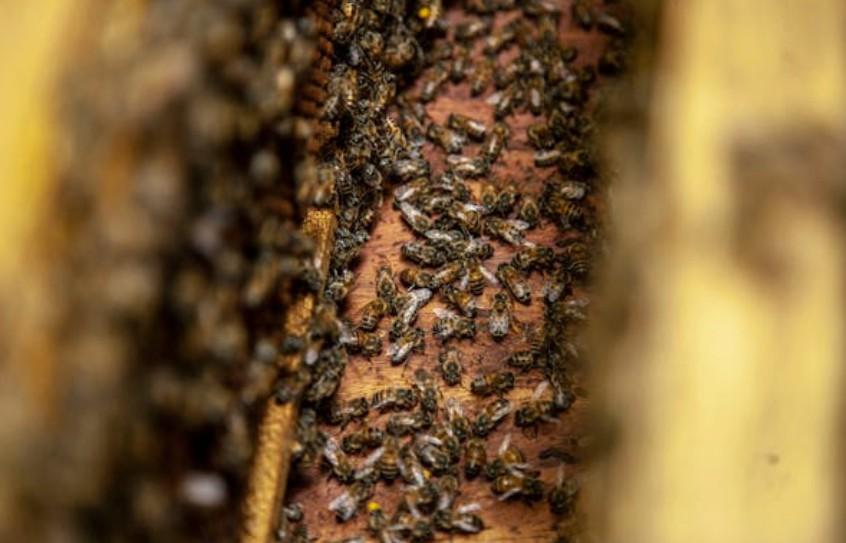
Finding a beehive near your home can be worrying, especially when bees gather around a doorway, roof cavity, garden shed or outdoor living area. You may consider removing the nest yourself to prevent the bees from becoming a bigger problem. However, attempting to handle a beehive without the right knowledge, equipment and experience can create serious safety concerns.
Bees may become defensive when their colony is disturbed, and hidden nests can be more complicated to manage than they initially appear. Understanding the risks of DIY removal can help homeowners make safer decisions and protect beneficial pollinators.
1. Disturbing a Beehive Can Increase the Risk of Stings
One of the biggest risks of removing a beehive yourself is disturbing the colony. Bees may respond defensively when they sense a threat near their nest. Knocking down a hive, spraying chemicals or attempting to move the bees can cause them to become agitated.
A disturbed colony may send out more defensive bees, increasing the chance of multiple stings. This can be particularly concerning when the nest is close to children, pets, neighbours or frequently used outdoor spaces.
People with a known severe allergy to bee stings face additional risks. If a sting causes difficulty breathing, swelling of the tongue or throat, collapse or other signs of a severe allergic reaction, call Triple Zero (000) immediately.
Keeping a safe distance and avoiding unnecessary disturbance are important first steps when you discover a beehive.
2. You May Not Know Which Bee Species You Are Dealing With
Not every bee species behaves in the same way or requires the same management approach. Australia has several native bee species, as well as introduced honeybees, and their nesting habits can differ considerably.
Some bees form large colonies, while others are solitary and use small holes, soil burrows or sheltered cavities. Misidentifying the species may lead to an unnecessary or unsuitable removal attempt.
For example, homeowners researching carpenter bees removal Melbourne should understand that identifying the insect correctly is important before deciding what action is appropriate. Different bee species have different nesting behaviours and may require different management approaches.
Similarly, resin bees removal Melbourne is a topic worth understanding because resin bees use plant resin and existing cavities when constructing their nests. They should not automatically be treated like an established honeybee colony.
Professional identification can help determine whether the bees are honeybees, native bees or another insect. This makes it easier to choose an appropriate response while considering bee welfare.
3. Hidden Beehives Can Be Difficult to Remove
A beehive hanging from a tree branch may be visible, but colonies inside buildings can be much harder to locate and manage.
Bees may establish nests in:
-
Roof cavities and ceiling spaces.
-
Gaps inside external walls.
-
Spaces beneath roof tiles and eaves.
-
Garden sheds and storage structures.
-
Hollow trees and other sheltered areas.
When a colony is hidden inside a building, removing the visible bees does not necessarily resolve the problem. The nest may contain honeycomb, honey and other material that needs to be assessed.
Attempting to cut into walls, remove roof tiles or access ceiling cavities without appropriate experience can cause property damage and expose you to bees.
A professional inspection can help identify the nesting location and determine whether additional work is required.
4. Household Insecticides May Make the Situation Worse
Using supermarket insecticide or other household chemicals may seem like a quick way to deal with a beehive. However, these products are not a reliable solution for every type of bee nest.
Spraying chemicals into a small opening may not reach the entire colony, particularly when the nest is located deep inside a wall or roof cavity. It may also disturb the bees and cause them to move towards other openings.
Chemical treatment can create additional concerns for people, pets and surrounding wildlife if products are used incorrectly. It may also affect beneficial insects that play an important role in pollination.
Avoid spraying, smoking or pouring substances into a suspected nest. A suitable professional can assess the situation and explain the available options.
5. Removing the Visible Bees Does Not Always Remove the Nest
Another common mistake is assuming that once the bees have disappeared, the problem has been completely resolved.
An established honeybee colony may leave behind wax comb, honey and other nesting material. Depending on the location and condition of the nest, this material may create further problems if it remains inside a building.
For example, exposed or deteriorating honeycomb may attract other insects and pests. Accumulated material may also contribute to odours or staining in some circumstances.
This is why it is important to assess the entire nesting site rather than focusing only on the bees that can be seen.
A professional can explain whether any remaining hive material needs attention and whether repairs or follow-up work may be appropriate.
6. DIY Removal Can Cause Property Damage
Beehives are not always located in accessible outdoor spaces. When bees establish a colony inside a roof, wall cavity or ceiling, reaching the nest may require careful access.
Attempting to remove building materials without understanding the structure can damage roof tiles, insulation, plasterboard, weatherproofing or electrical components.
There is also a risk of accidentally creating new openings that allow bees or other pests to enter the building.
Before arranging any physical work, a professional should assess the location, access requirements and condition of the suspected nest. This can help reduce unnecessary damage and identify any additional work that may be required.
7. Professional Inspection Helps Identify the Right Solution
A professional assessment is useful when you are unsure whether bees have established a hive or are simply gathering temporarily around your property.
Arranging a bees inspection Melbourne service can help identify the insect, assess the nesting location and determine whether further action is necessary.
The inspection may consider:
-
The type of bee involved.
-
Whether the activity is a temporary swarm or an established colony.
-
The location and accessibility of the nest.
-
Potential risks to people and pets.
-
Whether relocation, monitoring or another management approach is suitable.
Correct identification is particularly important when native bees are involved. Some species may not require removal, and preserving their nesting sites can be beneficial where they do not create a safety concern.
8. Professional Removal Costs Depend on the Situation
Some homeowners attempt DIY removal because they want to avoid professional service costs. However, the actual cost of managing a beehive depends on several factors, including its size, location, accessibility and the work involved.
A visible swarm in an accessible location may require a different approach from a colony established inside a roof or wall. Additional access work, removal of remaining comb or building repairs may also affect the overall cost.
Understanding the bee control cost Melbourne can help homeowners plan for the work and compare service inclusions before making a decision.
Rather than choosing an approach based only on the initial price, consider the safety, scope of work and whether the proposed solution addresses the actual nesting problem.
9. Local Experience Can Make a Difference
Bee activity can occur in residential gardens, commercial properties, sheds and building cavities throughout Melbourne. The appropriate response may depend on the type of property, the bee species and the location of the nest.
For homeowners in Oak Park, arranging bee removal Oak Park assistance can help address bee activity around residential properties. A local service can assess the situation and explain the available options based on the location and type of nesting activity.
When contacting a provider, explain where the bees are gathering, how long you have noticed them and whether they are entering a building. Photos taken from a safe distance may also help with an initial discussion.
Ask about the proposed removal or management process, bee welfare considerations and whether any remaining hive material or building repairs are included.
10. What Should You Do Instead of Removing a Beehive Yourself?
If you discover a beehive around your property, taking a few precautions can help reduce the risk while you arrange professional advice.
-
Keep children and pets away from the affected area.
-
Avoid touching, shaking or disturbing the nest.
-
Do not spray insecticides or use smoke to force bees out.
-
Do not block openings where bees are actively entering and leaving.
-
Avoid climbing onto roofs or opening walls to locate the nest.
-
Observe the bees from a safe distance.
-
Contact a suitable professional if the activity creates a safety concern or appears to involve an established colony.
These steps can help prevent unnecessary disturbance while allowing the situation to be assessed properly.
Conclusion
Removing a beehive yourself may seem like a simple way to protect your home, but it can expose you to stings, cause property damage and leave behind nesting material that still needs attention. Incorrect identification can also result in unnecessary harm to native Australian bees.
Professional assessment helps establish which species is present, where the nest is located and what management approach is appropriate. Whether bees are gathering in your garden or entering a roof or wall cavity, avoid disturbing them and seek suitable advice.
A careful, informed approach can help protect your household, maintain your property's condition and support responsible bee management.

 English
 Arabic
 French
 Spanish
 Portuguese
 Deutsch
 Turkish
 Dutch
 Italiano
 Russian
 Romaian
 Greek
