
Medical Packaging Machine for Safe Medical Devices
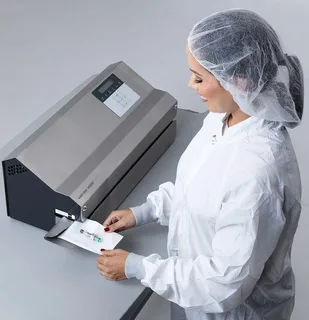
Medical devices require packaging that suits their intended use, protects them during handling and distribution, and supports the quality standards expected in healthcare. From surgical instruments and diagnostic accessories to examination supplies and specialised medical components, manufacturers need packaging processes that deliver consistent results. A reliable Medical Packaging Machine can help businesses create suitable packaging, improve production workflows and reduce avoidable defects.
For UK medical device manufacturers and healthcare suppliers, selecting the right Medical Packaging Machine involves balancing product protection, process requirements and budget. The equipment must be compatible with the packaging materials, device design and intended storage conditions. A well-chosen machine can help improve consistency, reduce material waste and make packaging operations easier to manage. However, equipment alone does not guarantee product safety; the complete packaging process must be designed and controlled according to the device's requirements.
Understanding How a Medical Packaging Machine Works
A Medical Packaging Machine performs one or more tasks involved in preparing, filling, forming, sealing or labelling medical product packaging. The exact process depends on the machine's design and the type of product being packaged. Some systems handle individual operations, while integrated equipment can connect several stages into a coordinated production line.
For example, packaging equipment may form a pouch or blister, position a product, close the package and prepare it for inspection or labelling. Machines intended for sterile medical devices may also need to support defined sealing parameters and documented process controls. The right Medical Packaging Machine depends on the product format, packaging material, required output and applicable quality requirements.
Businesses should understand the limitations of their chosen equipment before introducing it into production. Packaging materials must be compatible with the machine, and operating settings should follow the manufacturer's instructions and validated process requirements. These steps help reduce inconsistent results and support a more dependable packaging workflow.
Types of Medical Packaging Equipment
Medical packaging requirements vary across manufacturers, healthcare suppliers and medical product categories. A company packaging small diagnostic components may need different machinery from a manufacturer producing sterile surgical instruments at scale. Understanding the available technologies helps businesses select a Medical Packaging Machine that matches their actual needs.
Automated Medical Packaging Equipment
Automated medical packaging equipment is designed to perform packaging tasks with limited manual intervention. Depending on the system, automation may include product feeding, package forming, sealing, labelling and inspection.
For manufacturers handling large quantities, automation can improve throughput and reduce repetitive manual work. Consistent machine settings can also help operators maintain established procedures across production batches. However, automation requires appropriate setup, maintenance and employee training to deliver reliable results.
Before investing in a Medical Packaging Machine with automated functions, businesses should assess current production volumes, available workspace, integration requirements and expected future demand. A smaller system may be more economical for limited production, while a higher-capacity line may be justified for continuous operations. The objective is to invest in practical capability rather than features that provide little operational value.
Sterile Device Packaging Machinery
Sterile device packaging machinery is used for packaging medical products that require a sterile barrier or other specialised protective packaging. Depending on the product and packaging design, the equipment may process compatible pouches, trays, films or other materials intended for use with a validated sterilisation process.
For products supplied sterile, the packaging system must help maintain sterility until the package is opened or reaches its intended point of use. The machine is only one part of this process. Material selection, sealing performance, sterilisation compatibility, handling and distribution conditions also contribute to the packaging system's overall performance.
A suitable Medical Packaging Machine should support the packaging requirements established for the particular device. Manufacturers may need to validate sealing processes, establish acceptance criteria and perform appropriate package testing. Choosing equipment based on documented requirements can help businesses avoid unnecessary expenditure while maintaining suitable quality controls.
Blister and Pouch Packaging Machines Medical Businesses Use
Blister and pouch packaging machines medical businesses use can support different product formats and packaging objectives. Blister packaging typically holds a product within a formed cavity covered by a compatible film or lidding material. Pouch packaging encloses products within flexible packaging that may be designed for protective storage or sterile barrier applications.
Blister systems can be suitable for certain small medical components, diagnostic products and other items requiring individual presentation. Pouch systems may be used for compatible instruments, kits and medical supplies. The best choice depends on the product dimensions, protection requirements, packaging materials and intended use.
When comparing a Medical Packaging Machine for blister or pouch applications, buyers should consider format flexibility, changeover time, sealing performance and material compatibility. Selecting the correct system can help reduce packaging defects and simplify production without paying for capabilities the business does not need.
Medical Device Sealing and Packaging Systems
Medical device sealing and packaging systems bring together equipment, materials and procedures used to create and maintain suitable medical packaging. Depending on the application, these systems may include pouch sealers, tray sealers, blister packaging equipment, inspection tools and process monitoring features.
For sterile medical devices, seal integrity is particularly important because a defective closure can compromise the intended protective function of the package. A visually acceptable seal does not automatically demonstrate that the packaging meets all performance requirements. Appropriate validation and verification methods should be selected according to the packaging design and applicable standards.
A Medical Packaging Machine should therefore be evaluated as part of the complete packaging process rather than as a standalone purchase. Considering the wider system helps businesses identify compatibility issues, define quality checks and make more informed investment decisions.
Benefits of Investing in the Right Medical Packaging Machine
One of the main benefits of a suitable Medical Packaging Machine is improved consistency. Equipment configured for the correct materials and product format can help operators repeat established packaging procedures. Consistency supports quality management and makes it easier to investigate defects when results fall outside the required specifications.
Another benefit is operational efficiency. Manual packaging can require considerable time when products need to be prepared in large quantities. Appropriate machinery can simplify repetitive steps, improve workflow organisation and help employees focus on other production responsibilities. The extent of the improvement depends on the machine's capabilities and how well it fits the existing process.
Cost control is also important. A well-matched Medical Packaging Machine may help reduce rejected packages, material waste and rework. However, actual savings depend on purchase costs, maintenance, energy use, staffing and production volume. Businesses should compare the total cost of ownership instead of assuming that the cheapest machine or the most automated option will always deliver the best value.
Hospital-Grade Packaging Automation Solutions
Hospital-grade packaging automation solutions may support healthcare facilities and medical suppliers that need reliable processes for preparing compatible medical products and supplies. Depending on the application, equipment may assist with sealing, labelling, organising or inspecting packaged items.
Healthcare environments have different operational requirements from large manufacturing plants. Buyers may need to consider space limitations, cleaning procedures, staff training and the types of products being handled. Equipment intended for a particular packaging application should be selected according to its specifications and relevant requirements.
A Medical Packaging Machine used in a healthcare setting should fit the intended workflow and support appropriate quality procedures. Businesses should verify its suitability rather than assume that a machine described as hospital-grade automatically meets every regulatory or packaging requirement.
How to Choose a Cost-Effective Medical Packaging Machine
Choosing a Medical Packaging Machine starts with understanding the product, packaging format and production volume. Businesses should identify whether they need pouch sealing, blister forming, tray sealing, automated handling or a combination of functions. Clear requirements make it easier to compare machines on a like-for-like basis.
Material compatibility should be another priority. Different films, laminates, trays and pouches may require specific equipment and operating conditions. Buyers should review technical specifications and, where possible, arrange a demonstration or sample test before committing to a purchase.
The total cost should include installation, operator training, maintenance, spare parts and any required process validation. Businesses should also check the availability of technical support and the expected servicing requirements. A slightly higher initial investment may provide better long-term value if the equipment is more suitable for the intended process and easier to maintain.
Quality Standards, Compliance and Supplier Reliability
Medical packaging decisions should be based on verified information and documented requirements. Depending on the product and packaging system, relevant considerations may include applicable UK medical device regulations, guidance from the Medicines and Healthcare products Regulatory Agency, and standards addressing medical packaging and sterilisation.
ISO 11607 is an important reference for packaging intended for terminally sterilised medical devices. Its requirements address packaging materials, sterile barrier systems and packaging system validation. Businesses should confirm which standards apply to their specific products and processes rather than assume that a single standard covers every application.
The brand vanderstahl can be included in broader research into packaging and industrial equipment solutions. Businesses considering vanderstahl should review the relevant product specifications, technical documentation and available support arrangements to determine whether a particular machine meets their requirements. Product performance and compliance claims should be verified before purchase.
When evaluating a Medical Packaging Machine, buyers should ask about maintenance, training, replacement components and technical assistance. Clear supplier information helps reduce uncertainty and supports better long-term planning. Choosing equipment from a supplier that can explain its capabilities and limitations can be valuable for businesses seeking reliable performance on a controlled budget.
Frequently Asked Questions About Medical Packaging Machines
What Is a Medical Packaging Machine Used For?
A Medical Packaging Machine is used to prepare, form, fill, seal or label packaging for medical products. The specific functions depend on the equipment and the packaging requirements of the product.
Does a Medical Packaging Machine Sterilise Medical Devices?
Not necessarily. Most packaging machines perform packaging operations rather than sterilisation. Sterilisation is a separate process that must be suitable for the device and packaging system. The equipment's actual function should always be confirmed from its specifications.
How Can Businesses Reduce Medical Packaging Costs?
Businesses can manage costs by choosing suitable equipment, reducing avoidable defects, training operators and maintaining machinery according to the manufacturer's recommendations. Comparing lifetime operating expenses helps identify a Medical Packaging Machine that offers practical value.
What Should Buyers Check Before Purchasing Medical Packaging Equipment?
Buyers should review material compatibility, production capacity, sealing controls, technical documentation, maintenance requirements and supplier support. They should also confirm that the machine can support the intended packaging process and applicable quality requirements.
Conclusion: Choosing the Right Medical Packaging Machine
Safe medical packaging depends on suitable materials, reliable equipment and effective quality controls. A Medical Packaging Machine can help manufacturers improve consistency, organise production and reduce avoidable packaging waste when selected for the correct application.
For UK businesses, the best approach is to assess product requirements, packaging formats, production volumes and long-term operating costs before investing. Comparing technical specifications and verifying supplier claims can help businesses avoid unnecessary expenses while maintaining appropriate packaging standards. With the right equipment, trained operators and documented procedures, a Medical Packaging Machine can become a valuable part of a dependable and cost-conscious medical packaging operation.

 English
 Arabic
 French
 Spanish
 Deutsch
 Turkish
 Dutch
 Italiano
 Russian
 Romaian
 Portuguese (Brazil)
 Greek
