
DIY Crawl Space Encapsulation: A Homeowner’s Guide to Moisture Protection
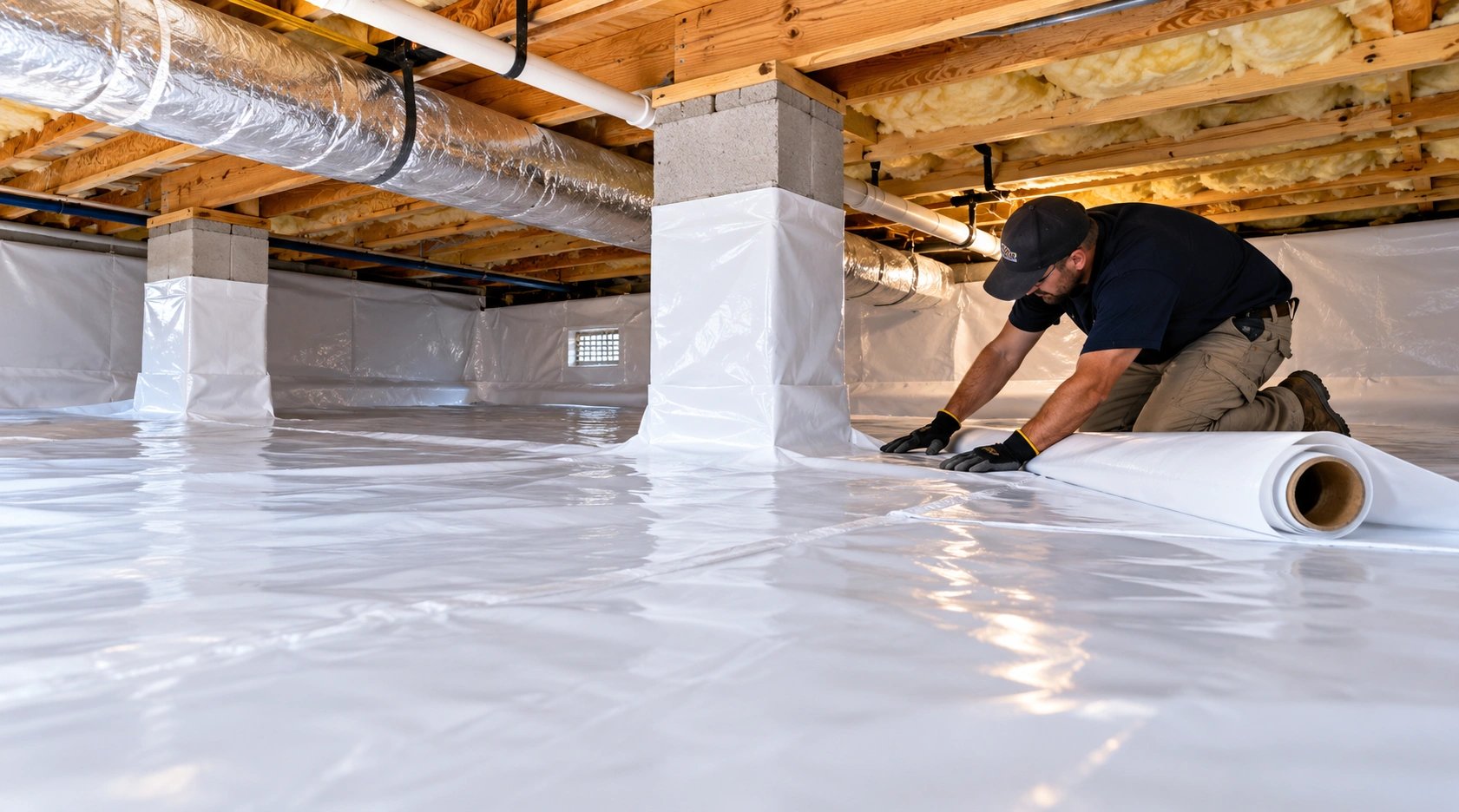
Crawl space moisture can lead to musty odors, mold growth, damaged insulation, and wood deterioration if left untreated. For homeowners looking to protect their property, DIY crawl space encapsulation may seem like a practical solution. However, successful encapsulation requires more than covering the ground with plastic. Proper preparation, moisture control, and careful sealing are essential for lasting results.
What Is Crawl Space Encapsulation?
Crawl space encapsulation involves sealing the crawl space with a moisture-resistant barrier to limit ground moisture and outside air infiltration. A complete system may include a heavy-duty vapor barrier, sealed foundation vents, wall insulation, and a crawl space dehumidifier.
When installed correctly, encapsulation can help control humidity, protect wooden floor joists, and reduce persistent dampness beneath the home.
Can You Encapsulate a Crawl Space Yourself?
DIY encapsulation may be suitable for homeowners whose crawl spaces are dry, accessible, and free from significant mold or structural damage. Before starting, inspect the area for standing water, damaged insulation, plumbing leaks, and signs of wood rot.
If the crawl space has recurring water intrusion, visible mold, or deteriorating supports, address these problems before installing a vapor barrier. Covering existing moisture problems without correcting their source can lead to further damage.
Steps to Follow for DIY Crawl Space Encapsulation
1. Inspect and Prepare the Area
Check the crawl space for moisture, debris, plumbing leaks, and damaged materials. Wear suitable protective equipment and avoid disturbing suspected mold or hazardous materials without proper precautions.
2. Address Drainage Problems
Make sure gutters, downspouts, and the grading around your home direct rainwater away from the foundation. Persistent groundwater or standing water may require professional drainage solutions before encapsulation begins.
3. Choose a Suitable Vapor Barrier
Select a durable liner designed for crawl space applications. Measure the floor, foundation walls, and support piers carefully so the material provides adequate coverage with enough allowance for overlaps and sealing.
4. Seal Seams and Openings
Install the liner according to the manufacturer's instructions. Carefully seal overlaps, edges, piers, and penetrations around pipes. Keep any required termite inspection gaps clear and follow local building requirements.
5. Plan for Humidity Control
A sealed crawl space may still accumulate moisture. Depending on the home's design, an appropriately sized dehumidifier or another code-compliant humidity-control method may be necessary.
Common Mistakes to Avoid
Homeowners can run into problems when they use thin plastic sheeting, overlook drainage issues, leave gaps around pipes, or seal foundation vents without providing suitable moisture control. Ignoring existing mold and wood damage can also undermine the entire project.
Encapsulation should be part of a complete moisture-management plan, not a substitute for necessary repairs.
When Should You Hire a Professional?
Professional assistance is recommended when you find standing water, recurring dampness, extensive mold, soft or rotting wood, sagging floors, or limited crawl space access. These conditions may require specialized equipment, drainage work, mold remediation, or structural repairs.
An experienced contractor can assess the underlying moisture sources and help determine whether your property needs a vapor barrier, full encapsulation, drainage improvements, or a combination of solutions.
Get Expert Advice on Crawl Space Encapsulation
DIY crawl space encapsulation can be an option for some homeowners, but the right approach depends on the condition of the space and the source of moisture. Taking time to identify underlying problems can help prevent costly repairs later.
For additional guidance on materials, installation steps, and situations that call for professional assistance, read Tri-State Waterproofing’s guide to DIY crawl space encapsulation.
Tri-State Waterproofing helps homeowners in North Georgia address crawl space moisture, waterproofing, and foundation concerns. Visit the website to learn more about available crawl space solutions and determine the next steps for protecting your home.

 English
 Arabic
 French
 Spanish
 Portuguese
 Deutsch
 Dutch
 Italiano
 Russian
 Romaian
 Portuguese (Brazil)
 Greek
