
The Advantages of Bespoke Aluminium Sliding Doors for Personalized Architectural Designs
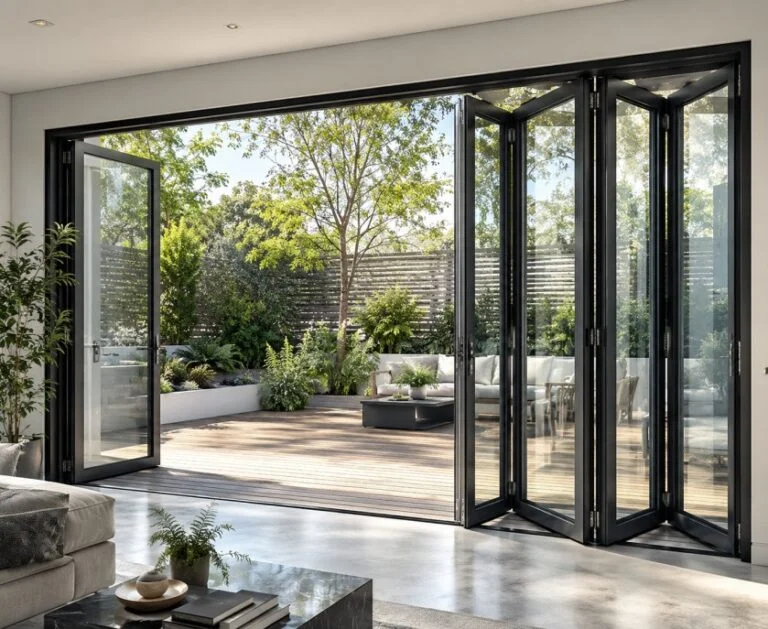
Modern architecture increasingly focuses on creating spaces that reflect individual preferences while maintaining functionality, durability, and visual appeal. Bespoke Aluminium Sliding Doors offer an excellent solution for homeowners, architects, and property developers seeking door systems tailored to their specific design requirements. With customizable dimensions, elegant frame profiles, and versatile glazing options, these doors can complement a wide range of contemporary architectural styles.
Every property has unique characteristics, including its layout, natural lighting, available space, and overall design theme. Standard door systems may not always accommodate unusual openings or particular aesthetic preferences. Bespoke aluminium sliding doors provide greater flexibility, allowing property owners to select configurations that suit their building's proportions and intended use.
Aluminium is widely used in modern construction because of its strength, relatively low weight, and resistance to corrosion. When combined with carefully selected glass and high-quality hardware, it creates a door system that balances attractive design with everyday practicality. This combination makes bespoke sliding doors an appealing option for residential and commercial projects.
Personalized Designs for Unique Architectural Requirements
One of the greatest advantages of bespoke aluminium sliding doors is the freedom to create a design that reflects individual architectural preferences. Instead of choosing a standard configuration, property owners can explore different frame colours, panel arrangements, dimensions, and glazing styles. This flexibility helps create a cohesive appearance throughout the building.
Architects often work with specific proportions, materials, and geometric features when developing contemporary properties. A bespoke sliding door can complement these elements by matching the building's visual language. Whether the design includes minimalist lines, bold contrasts, or expansive glass surfaces, the door can be selected to support the overall concept.
Personalization is especially useful for properties with unusual openings or distinctive layouts. Custom measurements can help accommodate suitable spaces where standard door dimensions may not provide the desired fit. Accurate site measurements and professional assessments remain essential to ensure that the proposed system is technically appropriate.
Bespoke designs also allow property owners to coordinate their doors with windows, flooring, wall finishes, and exterior materials. Consistency across these features can make the architecture feel more refined and intentional. The result is a space that reflects individual preferences without sacrificing practical functionality.
Contemporary Elegance Through Slim Aluminium Frames
Visual simplicity is an important feature of contemporary architecture. Clean lines, balanced proportions, and uncluttered surfaces help create spaces that feel sophisticated without relying on excessive decoration. Bespoke aluminium sliding doors support this approach through streamlined profiles and carefully coordinated finishes.
Aluminium's structural properties allow manufacturers to create relatively slim frames for suitable door systems. These profiles can reduce visual interruptions around glass panels, making the glazing a more prominent feature. This is particularly attractive in modern homes where views, daylight, and open spaces are important design priorities.
Frame finishes can also influence the character of an interior. Black aluminium profiles may introduce a strong architectural contrast, while lighter metallic or neutral shades can create a softer appearance. Choosing a finish that complements surrounding materials helps integrate the doors into the broader design scheme.
The understated appearance of aluminium sliding doors works well across several architectural styles. Minimalist homes can benefit from simple profiles, while industrial interiors may use darker frames to complement exposed concrete or brick. Bespoke detailing makes it easier to achieve the desired effect without compromising the overall design.
Maximizing Natural Light with Custom Glazing
Natural light can transform the appearance and atmosphere of a building. Bright interiors often feel more welcoming, while daylight highlights textures, colours, and architectural details. Bespoke aluminium sliding doors allow designers to consider glass panel sizes and arrangements that suit the property's lighting requirements.
Large glazed openings can help bring daylight into living rooms, kitchens, dining areas, and other frequently used spaces. When positioned appropriately, they can also create a visual connection with gardens, balconies, and terraces. This connection makes the surrounding landscape an integral part of the architectural experience.
Custom glazing options provide additional flexibility when balancing light with privacy and comfort. Clear glass can maximize visibility, while frosted or obscure glass may be suitable for bathrooms, offices, and other private spaces. Depending on the system, different glazing specifications can also address thermal and solar performance requirements.
The final result depends on several factors, including building orientation, surrounding structures, and the local climate. In areas exposed to intense sunlight, solar-control glazing or external shading may help manage heat and glare. Careful planning ensures that natural light enhances the property without creating unnecessary discomfort.
Efficient Space Utilization in Modern Buildings
Space efficiency is an important consideration in both residential and commercial architecture. Traditional hinged doors require room to swing open, potentially limiting furniture placement and interrupting movement. Sliding doors operate along a track, reducing the clearance required for opening and closing.
Bespoke aluminium sliding doors can be designed around the available opening and the way occupants use the space. In smaller apartments, this can make it easier to connect living rooms with balconies or separate adjoining areas without adding unnecessary obstacles. The result is a more practical layout that preserves valuable floor space.
Larger properties can benefit from the same approach. Sliding doors between living areas and outdoor entertaining spaces can create wider passages when opened, helping the rooms feel more connected. This arrangement is particularly useful for homes designed around open-plan living.
Commercial environments also require thoughtful space planning. Offices may use sliding systems to separate meeting rooms, while suitable retail or hospitality spaces can incorporate them to improve circulation. The configuration should reflect accessibility needs, traffic levels, and the specific requirements of the building.
Seamless Connections Between Indoor and Outdoor Spaces
Contemporary architecture often emphasizes a strong relationship between indoor living areas and the outdoors. Gardens, patios, balconies, and terraces can extend the usable feeling of a property when they are visually connected to interior spaces. Bespoke aluminium sliding doors help achieve this effect through generous glazing and adaptable opening configurations.
For residential properties, a sliding door can frame a garden view while providing convenient access to an outdoor seating area. When the doors are open, the adjoining spaces may function as a larger entertainment area. When closed, the glass preserves much of the visual connection while separating the interior from outdoor conditions.
Custom dimensions can be particularly helpful when designing wide openings or coordinating doors with architectural features such as floor-to-ceiling glazing. However, the structure, panel weight, track arrangement, and opening dimensions must all be assessed before selecting a suitable system.
Threshold design is another important consideration when connecting indoor and outdoor spaces. Appropriate detailing can improve accessibility and help manage water drainage, depending on the installation. Professional planning ensures that the finished doors complement the architecture while meeting practical requirements.
Durability and Long-Term Structural Performance
A door system should maintain reliable performance while handling regular daily use. Aluminium is popular in architectural applications because it combines strength with relatively low weight. Properly designed frames can support many modern sliding door configurations while maintaining their shape under normal operating conditions.
Aluminium naturally forms a protective oxide layer that helps resist corrosion. Suitable surface treatments and coatings can provide additional protection while allowing different colours and finishes. These characteristics make aluminium a practical material for many residential and commercial installations.
The durability of bespoke aluminium sliding doors depends on the complete system rather than the frame alone. Rollers, tracks, glass, locks, seals, drainage, and installation quality all influence long-term performance. Selecting components that match the size and intended use of the door is therefore essential.
Environmental conditions should also influence the specification. Properties near the coast may require hardware and finishes designed for greater resistance to corrosive conditions. Installations exposed to strong winds or frequent use may require additional performance considerations. Discussing these factors with an experienced supplier can help identify a suitable solution.
Energy Efficiency and Indoor Comfort
Energy efficiency is an important part of modern architectural planning. Doors and windows affect heat transfer, air leakage, and solar gain, all of which can influence indoor temperatures. Bespoke aluminium sliding doors can incorporate suitable components to help address the building's energy requirements.
Depending on the selected system, options may include double glazing, low-emissivity glass, thermal breaks, and effective weather seals. These features can help reduce unwanted heat transfer when specified appropriately. Buyers should review verified performance information because not every aluminium sliding door provides the same level of insulation.
Thermal breaks are particularly relevant because aluminium conducts heat readily. A thermal break introduces an insulating barrier between sections of the frame, reducing heat transfer through the metal. Combined with suitable glazing and correct installation, this design can support a more comfortable interior.
Climate-specific planning is equally important. In warmer environments, solar-control glass and external shading may help reduce excessive heat from direct sunlight. In colder locations, appropriate glazing and weather seals can help limit heat loss and drafts. The best solution depends on the building's location and intended performance.
Privacy and Security Through Thoughtful Design
Personalized architectural designs must balance openness with privacy and security. Bespoke aluminium sliding doors offer flexibility in selecting glazing and hardware that suit different areas of a property. Clear glass may be ideal for living rooms, while obscure glazing can provide greater privacy in bathrooms, consultation rooms, and selected office spaces.
Security is particularly important for doors leading to gardens, balconies, and other accessible areas. Depending on the system, suitable options may include multi-point locks, reinforced components, and secure track arrangements. The complete door assembly should be evaluated to determine whether it meets the property's security requirements.
Glass selection also affects safety and performance. Toughened safety glass and laminated glazing offer different characteristics, so the appropriate option depends on the installation location and applicable building regulations. Professional advice can help identify glazing that meets the relevant safety requirements.
Commercial properties may need additional features such as access-control compatibility or privacy solutions for confidential meetings. Custom designs can accommodate these requirements where the selected system supports them. Correct installation is essential to ensure that locks, panels, and operating components function properly.
Low Maintenance and Everyday Convenience
Bespoke aluminium sliding doors can provide long-term convenience because aluminium frames generally require relatively little routine maintenance. Regular cleaning with a soft cloth and an appropriate mild solution helps remove dust and maintain the frame's appearance. Suitable coatings can also help preserve the selected finish over time.
Glass panels should be cleaned periodically to remove fingerprints, water marks, and accumulated dust. Clear glazing is especially important when the doors provide views of outdoor areas or serve as a major source of natural light. Using suitable cleaning products helps maintain clarity without damaging the surfaces.
Sliding tracks require attention because dirt and debris can interfere with the movement of rollers. Periodic cleaning and inspection can help preserve smooth operation and identify potential issues before they become more serious. Handles, locks, and weather seals should also be checked according to the manufacturer's maintenance guidance.
Choosing quality hardware is an important part of reducing maintenance problems. Rollers and tracks should be appropriate for the weight and dimensions of the door panels. Following recommended care procedures helps protect the investment and maintain convenient everyday operation.
Increased Architectural Appeal and Property Value
Well-designed architectural features can influence how a property is perceived by buyers, tenants, and visitors. Bespoke aluminium sliding doors can contribute to a contemporary appearance while improving daylight, access, and the relationship between interior and exterior spaces. These benefits may make a property more appealing to people who value modern design.
In residential settings, expansive glazing and coordinated finishes can create a more polished atmosphere. A well-planned opening between a living room and a garden may also make the property feel more spacious. These features can support the overall presentation of a home without relying on unnecessary decorative elements.
Commercial buildings can benefit from similarly thoughtful design. Offices, hospitality venues, and other businesses may use bespoke sliding systems to create bright, professional environments. Consistent architectural details can strengthen the appearance of a development and contribute to a positive impression among customers and visitors.
However, custom doors do not automatically guarantee a specific increase in market value. Their contribution depends on the location, installation quality, overall property condition, and preferences of potential buyers. The strongest investment case comes from combining attractive design with practical performance and long-term reliability.
Choosing the Right Bespoke Aluminium Sliding Door System
Selecting the right system begins with understanding the property's requirements. Accurate measurements, opening dimensions, panel arrangements, and intended use should be established before manufacturing begins. These details help determine which configurations are technically suitable for the project.
Property owners should compare frame specifications, glazing options, track systems, rollers, locks, finishes, and warranty terms. It is also helpful to discuss weather resistance, thermal performance, and maintenance requirements with the supplier. Reviewing these factors provides a clearer understanding of the product's overall quality.
Budget planning should include more than the initial product price. Installation, any required structural work, suitable glazing, hardware, and ongoing maintenance can all affect the total investment. Prioritizing essential features helps property owners balance design preferences with practical requirements.
Finally, professional installation is essential for achieving the intended result. Correct alignment, secure fixing, effective sealing, and properly adjusted rollers support smooth operation and reliable performance. Working with an experienced supplier and installation team can help ensure that the bespoke design meets both architectural and functional expectations.
Conclusion
Bespoke aluminium sliding doors provide a practical way to create personalized architectural designs that combine contemporary style with everyday functionality. Their adaptable dimensions, slim profiles, versatile finishes, and glazing options allow homeowners, architects, and developers to tailor door systems to the unique characteristics of a property.

 English
 Arabic
 French
 Spanish
 Portuguese
 Deutsch
 Turkish
 Italiano
 Russian
 Romaian
 Portuguese (Brazil)
 Greek
