
How Can You Tell If Your Car Needs a Professional Respray?
A car's paintwork does more than improve its appearance. It also helps protect the body panels from moisture, dirt, sunlight and other environmental factors. Over time, exposure to changing weather conditions, road debris and everyday use can cause the paint to fade, peel, chip or lose its original shine.
While minor marks may only require localised repairs, more extensive paint damage can indicate that a professional respray is worth considering. Recognising the warning signs early can help vehicle owners decide on the most suitable way to restore their car's finish and protect its bodywork.
1. The Paint Has Started to Fade
Faded paint is one of the most noticeable signs that a vehicle may benefit from a respray. Prolonged exposure to ultraviolet (UV) radiation can gradually break down the paint's protective layers, causing the colour to lose its depth and vibrancy.
Red, black and other darker colours may show fading particularly clearly, although vehicles of any colour can experience deterioration. The bonnet, roof and boot lid are often more exposed to direct sunlight than other parts of the vehicle.
Regular washing and appropriate waxing can help maintain the finish, but they cannot reverse every type of paint deterioration. If the colour remains dull despite careful cleaning and maintenance, professional refinishing may be an appropriate option.
A technician can inspect the existing paintwork and determine whether polishing is sufficient or whether fresh paint is needed to achieve a more consistent appearance.
2. The Clear Coat Is Peeling or Flaking
Most modern vehicles have a clear protective layer over the coloured base coat. This layer contributes to the paint's gloss and helps protect the finish from environmental exposure.
When the clear coat deteriorates, it may begin to peel, flake or develop cloudy patches. These problems commonly appear on the roof, bonnet, boot lid and other areas exposed to sunlight.
Once the clear coat starts separating from the underlying paint, ordinary washing and polishing will not provide a lasting solution. Applying wax may temporarily improve the appearance, but it will not repair the damaged coating.
Professional preparation and refinishing can help restore the affected areas. Depending on the extent of the damage, the technician may recommend repairing individual panels or repainting a larger section to achieve a consistent finish.
3. Scratches and Stone Chips Are Becoming More Noticeable
Small scratches and stone chips are common results of everyday driving. Loose gravel, road debris, car park incidents and contact with branches can damage the paint surface.
Not every scratch requires a complete respray. Superficial marks may respond to polishing, while deeper scratches that reach the base coat or expose the metal may require more extensive treatment.
Stone chips deserve particular attention because they can allow moisture to reach the underlying metal. If corrosion develops, the repair may involve removing the affected rust before applying primer and new paint.
A professional inspection can establish how deeply the paint has been damaged and whether a local repair, panel repaint or more extensive respray is suitable.
For vehicle owners seeking car paint services in Melbourne, understanding the difference between surface marks and deeper paint damage is an important first step towards choosing the right repair.
4. The Paint Colour Looks Uneven
Uneven paint colour can make a vehicle look poorly maintained, particularly when one panel appears noticeably different from the surrounding bodywork.
This may occur after previous repairs, incorrect colour matching, prolonged sun exposure or the use of unsuitable painting techniques. A replacement door or repaired bumper may also have a slightly different shade from the original finish.
Professional colour matching considers the vehicle's paint code, the condition of the existing finish and variations caused by ageing and environmental exposure.
The repair process may involve preparing the damaged panel, applying the appropriate colour and blending the finish where necessary. The aim is to achieve a more uniform appearance without obvious differences between repaired and original sections.
If several panels have developed inconsistent colours, a broader respray may be worth discussing with a qualified repairer.
5. Rust Spots Are Appearing Beneath the Paint
Rust is more than a cosmetic concern because it can gradually damage the metal beneath the paintwork. It often begins around stone chips, scratches, panel edges and areas where moisture becomes trapped.
Early signs include small brown spots, bubbling paint and patches where the finish has started lifting. These symptoms can indicate that corrosion is developing underneath the visible surface.
Simply painting over rust is unlikely to provide a durable repair. The affected area needs to be assessed, and the corrosion must be properly addressed before the new finish is applied.
Depending on the severity, the repair may require rust removal, metalwork, panel repair or replacement. The technician can then prepare the surface and apply suitable protective coatings and paint.
Where the corrosion has affected the body panels, experienced panel beaters in Melbourne can assess the damage and determine which repair approach is appropriate.
6. Previous Accident Repairs Are Still Visible
A vehicle may need refinishing after an accident, even when the damaged panel has already been repaired. Signs of an inconsistent repair can include visible sanding marks, uneven paint texture, mismatched colour or differences in gloss between panels.
These issues can arise when the original damage was not prepared properly or the refinishing process did not produce a consistent result.
A professional assessment can identify whether the problem is limited to the paint finish or whether the underlying panel also requires attention. If the metal is distorted or the panel has sustained more substantial damage, body repairs may need to be completed before repainting.
Addressing the underlying issue first helps ensure that the new finish is applied to a properly prepared surface.
7. The Paint Has Lost Its Shine Despite Regular Care
A vehicle's finish may gradually lose its gloss through oxidation, environmental contamination and repeated exposure to sunlight. Dirt, tree sap and other contaminants can also make the surface appear dull.
Before choosing a respray, it is worth determining whether the problem can be corrected through professional detailing or paint correction. Polishing may improve certain types of surface oxidation and light scratches when the existing paint remains in suitable condition.
However, if the paint has deteriorated extensively, become thin or started peeling, polishing alone may not be enough.
A technician can examine the finish and explain whether paint correction, localised refinishing or a more comprehensive respray is likely to deliver the best result.
8. You Want to Refresh the Vehicle's Overall Appearance
Sometimes, a vehicle needs a respray because its paintwork has aged across several panels rather than because of one specific defect. Years of daily use can leave the finish looking tired, inconsistent or noticeably different from its original condition.
A professional respray may be worth considering when multiple panels have faded, the clear coat has deteriorated in several places or previous repairs have created obvious colour differences.
The work generally involves inspecting the vehicle, preparing the existing surfaces, addressing damage and applying the appropriate paint system. The scope of the job depends on the vehicle's condition and the finish required.
Discussing the expected outcome with a repairer beforehand helps establish which panels need attention and whether a full or partial respray is the more practical option.
What Is the Difference Between a Respray and Paintless Dent Removal?
A respray restores or changes the paint finish, whereas paintless dent removal is designed to reshape certain dents without conventional repainting.
Paintless dent removal may be suitable when the paint remains intact and the damage meets the requirements of the repair technique. It is not intended to correct peeling clear coat, faded paint, deep scratches or corrosion.
If a dent has cracked the paint or exposed bare metal, the affected area may require conventional body repairs and refinishing instead.
Vehicle owners considering paintless dent removal in Melbourne can explore whether this technique is appropriate for their particular damage before deciding on a respray.
How Can You Maintain Your Car's New Paint Finish?
After a respray, proper care can help preserve the appearance of the finish and reduce the risk of premature deterioration.
Wash the vehicle regularly with automotive cleaning products and a soft wash mitt. Avoid harsh household detergents, abrasive materials and aggressive cleaning methods that may damage the finish.
Where practical, park in a garage or shaded area to reduce prolonged exposure to direct sunlight. Remove bird droppings, tree sap and other contaminants promptly using suitable cleaning methods.
Follow the repairer's instructions about when to wash, polish or wax the newly painted vehicle, as curing requirements can vary depending on the paint system used.
Inspect the paintwork periodically for stone chips, scratches and signs of peeling. Addressing small areas of damage early can help prevent further deterioration.
When Should You Arrange a Professional Paint Inspection?
A professional inspection is worthwhile when the paint begins peeling, several panels show fading, scratches expose the underlying surface or rust appears around damaged areas. It is also useful when previous repairs have left visible colour differences or an uneven finish.
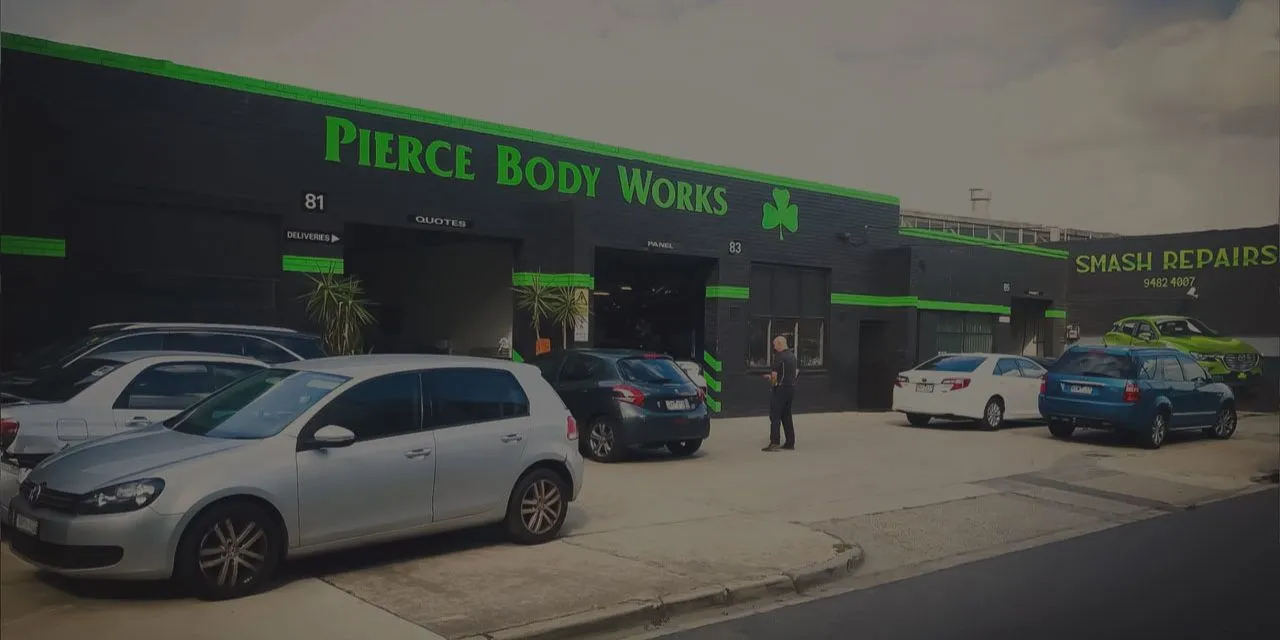
Pierce Body Works is a family-owned automotive repair business based in Northcote, Melbourne, providing vehicle body repairs, panel beating, dent repairs and painting services.
The appropriate repair depends on the vehicle's condition, the extent of the damage and the finish required. An assessment can help establish whether polishing, a localised paint repair, panel refinishing or a more comprehensive respray is the most suitable option.
By addressing paint deterioration early and maintaining the finish properly, vehicle owners can help preserve their car's appearance and protect its bodywork over time.

 English
 Arabic
 French
 Spanish
 Deutsch
 Turkish
 Dutch
 Italiano
 Russian
 Romaian
 Portuguese (Brazil)
 Greek
