
HIV Blood Test vs. Rapid HIV Test: Key Differences Explained
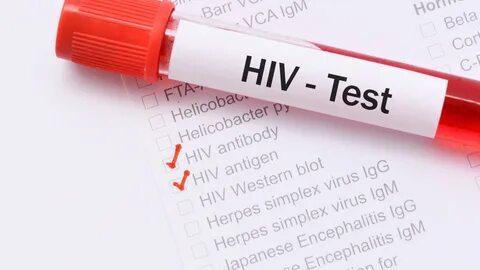
Choosing between a laboratory HIV blood test and a rapid HIV test can raise several questions. Which test detects HIV earlier? Which provides more reliable results? How long will you need to wait, and will you need another test if the result is negative?
Both testing options play an important role in HIV Blood Test in Dubai, but they differ in how samples are collected, how results are processed, and how their detection windows vary. The right choice depends on your testing needs, the time since possible exposure, and the type of test available.
This guide compares laboratory-based HIV testing with rapid HIV testing, explains their accuracy and window periods, and helps you understand what to expect before and after taking a test.
How Do Laboratory and Rapid HIV Tests Work?
To understand the difference, it helps to know what each test looks for.
Laboratory HIV Blood Testing
A laboratory-based fourth-generation HIV test detects two markers:
-
HIV antibodies: Proteins produced by the immune system in response to infection.
-
HIV p24 antigen: A protein associated with HIV that can become detectable before antibodies are detectable in some people.
A healthcare professional usually collects blood from a vein in your arm. The sample is then analyzed using laboratory equipment, and the result is reported by the testing service.
Laboratory testing is widely used for routine HIV screening because fourth-generation tests can identify many infections earlier than antibody-only tests.
Some laboratory tests use different methods, including antibody-only assays or nucleic acid tests. Therefore, it is important to confirm the exact test type rather than assuming every laboratory HIV test has the same detection window.
Rapid HIV Testing
Rapid HIV tests are designed to provide results quickly, often in approximately 10–30 minutes, although timing varies by product and testing service.
Depending on the test, a healthcare professional may collect a small amount of blood from your fingertip or use a sample of oral fluid. The sample is processed using a test device that detects specific HIV markers.
Many rapid tests are antibody tests, while some detect both antigen and antibodies. Because different products use different methods, their detection windows are not identical.
A reactive rapid screening result requires follow-up testing according to the applicable diagnostic guidelines. A rapid test provides an initial result; it does not always establish a confirmed diagnosis on its own.
Which Test Detects HIV Earlier?
The answer depends on the specific laboratory or rapid test being used.
According to the U.S. Centers for Disease Control and Prevention (CDC), the typical detection windows after exposure for people not taking antiretroviral medication are:
| Test type | Typical window period |
|---|---|
| Nucleic acid test (NAT) | 10–33 days |
| Laboratory antigen/antibody test using blood from a vein | 18–45 days |
| Rapid antigen/antibody test using finger-stick blood | 18–90 days |
| Antibody-only test, including many rapid tests | 23–90 days |
A nucleic acid test detects HIV genetic material and can identify some infections earlier than antibody-based tests. However, it is not required for every routine screening situation.
A laboratory fourth-generation HIV test generally has a shorter detection window than many rapid antibody tests. This can make it a useful option when testing after a recent possible exposure.
The word “rapid” refers to how quickly the test produces a result, not necessarily how early it can detect infection.
Comparing Accuracy, Reliability, and False-Positive Results:
Both laboratory-based and rapid HIV tests can be highly accurate when used correctly and at the appropriate time. However, no test can reliably detect every infection immediately after exposure.
Several factors affect how results should be interpreted.
The testing window: A test performed too early may be negative because the markers it detects have not yet reached detectable levels.
The test method: A laboratory fourth-generation test and a rapid antibody-only test look for different markers and have different detection windows.
Sample collection and handling: Tests must be performed according to the manufacturer's instructions and the testing service's procedures.
Reactive screening results: Some initial screening tests produce false-positive results. A reactive result must be assessed using the recommended follow-up testing process.
A negative result obtained during the window period may need to be repeated. If a reactive result is reported, ask the healthcare professional whether confirmatory testing has been completed.
It is not appropriate to compare all laboratory tests with all rapid tests using a single accuracy percentage. Their performance depends on the specific test, the population being tested, and the timing of testing.
Which HIV Test Should You Choose?
The appropriate test depends on why you are testing and how long it has been since possible exposure.
Choose a Laboratory Test When Early Detection Is Important
A laboratory fourth-generation antigen/antibody test may be appropriate for routine screening or when you need testing after a recent exposure. It can detect many infections earlier than antibody-only tests.
If a clinician suspects very recent infection despite a negative screening result, they may consider a nucleic acid test or other follow-up testing.
Consider a Rapid Test for Convenient Screening
A rapid HIV test can be useful when you want an initial result during the same visit. It may be available through clinics, community testing services, and other authorized providers.
Before testing, confirm whether the product uses blood or oral fluid and whether it detects antibodies alone or both antigen and antibodies. This information helps determine when a negative result can be considered reliable.
Seek Medical Advice After a Recent Exposure
If a possible HIV exposure occurred within the past 72 hours, seek urgent medical advice about post-exposure prophylaxis (PEP). PEP should be started as soon as possible when indicated and is generally not recommended to be initiated after 72 hours.
Do not delay seeking medical care while deciding between a laboratory test and a rapid test. A clinician can advise on immediate care, initial testing, and the correct follow-up schedule.
What Do Negative, Reactive, and Inconclusive Results Mean?
Both rapid and laboratory screening tests may report results using terms such as negative, non-reactive, reactive, or inconclusive.
-
Negative or non-reactive: The test did not detect the HIV markers it looks for. If testing occurred during the window period, repeat testing may be necessary.
-
Reactive: The screening test detected markers that require further assessment. This is not automatically a confirmed HIV diagnosis.
-
Inconclusive or indeterminate: The findings do not clearly establish whether infection is present, so additional testing may be required.
-
Confirmed positive: The applicable diagnostic process has established HIV infection, and healthcare follow-up should be arranged.
If HIV is confirmed, antiretroviral therapy (ART) can suppress the virus and help protect the immune system. Effective treatment allows people with HIV to live long, healthy lives.
Frequently Asked Questions:
Is a laboratory HIV test more accurate than a rapid test?
Both can be highly accurate when used correctly. Laboratory fourth-generation tests can detect many infections earlier than antibody-only rapid tests, but the specific test method and window period are important when comparing results.
Can a rapid HIV test detect infection after one week?
Most rapid HIV tests cannot reliably rule out infection after just one week. Many detect antibodies, which may take several weeks to become detectable. An early negative result may require follow-up testing.
Do rapid HIV tests use blood?
Some do. Many rapid tests use a finger-stick blood sample, while others use oral fluid. Check the specific test instructions to determine the sample type and detection window.
Do I need to repeat a negative HIV test?
You may need another test if the first was taken before the relevant window period ended. Your healthcare professional can advise when to repeat testing based on the test type, exposure date, and any use of PrEP or PEP.
Can a rapid HIV test confirm a diagnosis?
A reactive rapid screening result generally requires follow-up testing according to the applicable diagnostic guidelines. The next step depends on the specific test and local testing protocol.
Final Verdict: Laboratory HIV Test or Rapid HIV Test?
Laboratory HIV tests and rapid HIV Lab tests both support effective HIV screening, but they serve somewhat different needs. A rapid test offers a quick initial result, while a laboratory fourth-generation test can often detect infection earlier than an antibody-only rapid test.
The best choice depends on your exposure timeline, the specific test available, and whether additional testing is recommended. If a possible exposure occurred recently, do not rely on an early negative result without checking the relevant window period.
For reliable guidance, consult a qualified healthcare professional or testing service. Choosing the right test, understanding the result, and completing any recommended follow-up are the most important steps toward knowing your HIV status.

 English
 French
 Spanish
 Portuguese
 Deutsch
 Turkish
 Dutch
 Italiano
 Russian
 Romaian
 Portuguese (Brazil)
 Greek
